
The best balance bike for toddlers is usually the one that fits your child’s inseam right now, has a simple, stable build, and uses kid-friendly brakes and grips, not the one with the longest feature list.
If you’ve been stuck between a 10-inch and 12-inch model, or you’re wondering whether air tires are “worth it,” you’re not alone, this category looks simple until you try to buy one. A small sizing mistake can turn a fun bike into a frustrating one, fast.
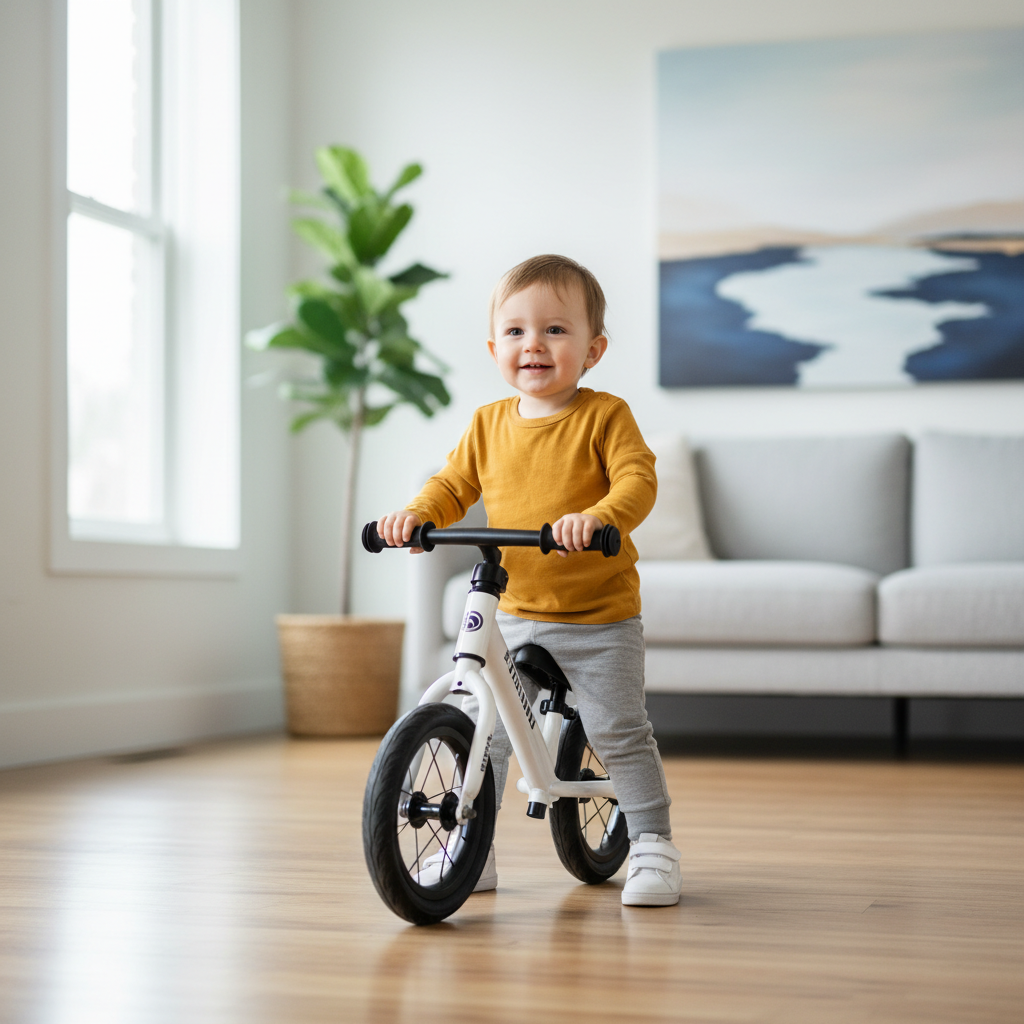
This guide focuses on what actually matters for U.S. parents in 2026, fit, safety, terrain, and real-world durability. I’ll also flag common “nice-to-haves” that can quietly push you into the wrong size or weight.
What to look for in a toddler balance bike (the short list)
Balance bikes teach steering, balance, and confidence before pedals, so the core goal is stable control with feet down. According to HealthyChildren.org (American Academy of Pediatrics), properly fitting helmets and consistent supervision matter for reducing head injury risk during wheeled play, so bike choice should make “feet down + easy stopping” the default.
- Fit: your child should sit and place both feet flat, with a slight knee bend.
- Low weight: lighter bikes feel easier to start, steer, and catch when they tip.
- Safe contact points: soft grips, covered bolts, no sharp edges near knees.
- Wheel type: foam tires for smooth sidewalks, air tires for bumpy parks and gravel.
- Braking: many toddlers stop with feet, but a gentle hand brake helps as speed increases.
Key takeaway: if the bike fits and feels light, most other decisions get easier.
Quick sizing: inseam beats age every time
Age labels are marketing shorthand, inseam is what keeps your toddler confident. A bike that’s too tall forces tip-toeing, and tip-toeing often turns into hesitation, wobbling, and more falls.
How to measure (takes 60 seconds)
- Have your child stand barefoot against a wall.
- Place a thin book between the legs, snug like a saddle.
- Measure from the floor to the top edge of the book.
Then compare that number to the bike’s minimum seat height. Many families do best when the minimum seat height is 0.5–1 inch below inseam, so there’s room for growth without starting too tall.
One more practical detail, check seat height adjustment range, not just the minimum. Some “toddler” bikes top out quickly, and replacing a bike six months later is rarely the plan.
2026 comparison table: common options by scenario
Rather than pretending there’s one winner for every kid, here’s a scenario-based view. These are the categories most parents end up choosing between in 2026, depending on where your child rides and how fast they grow.
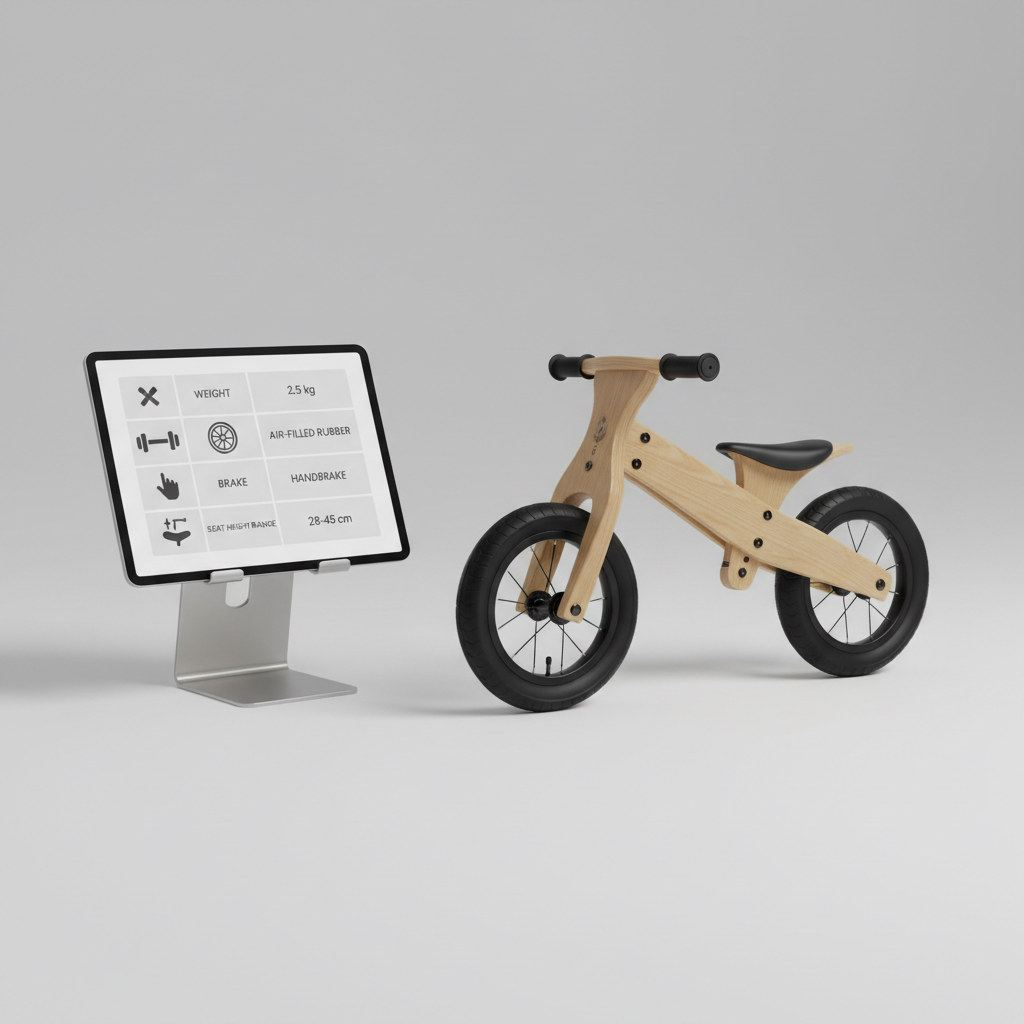
| Best for | What to prioritize | Usually a good fit if… | Potential downside |
|---|---|---|---|
| New riders (2–3 years) | Lowest seat height, very light frame | Your child is cautious or smaller for age | May be outgrown sooner |
| Sidewalk + neighborhood | Foam tires, simple build, comfy grips | Mostly smooth pavement, short rides | Less traction on dirt |
| Parks, packed dirt, light gravel | Air tires, sealed bearings | You ride outdoors often, surfaces vary | Heavier, tires need occasional air |
| Fast learners (3–5 years) | Hand brake, wider adjustment range | Your child already glides with feet up | Brake learning curve |
| Travel and small storage | Carry handle, lighter weight, simple wheels | You load it into a car often | Less “rugged” feel |
How to choose the best balance bike for toddlers by riding environment
When parents regret a purchase, it’s often not brand, it’s mismatch with terrain. Here’s a more grounded way to decide.
Mostly indoor + smooth sidewalks
- Foam/EVA tires are usually enough and keep the bike lighter.
- Look for quieter wheels if you have downstairs neighbors.
- A slightly wider handlebar can feel steadier at slow speeds.
Neighborhood walks with cracks, slopes, and rough patches
- Air tires add comfort and grip, especially on imperfect pavement.
- A rear hand brake can help on gentle downhills once your child goes faster.
- Choose a frame that keeps the center of gravity low.
Parks, dirt paths, and “we’ll see where we end up” rides
- Air tires matter more here, traction and vibration control change the experience.
- Sealed bearings tend to stay smoother with dust and grit.
- Consider a slightly more durable finish, toddlers park bikes in creative ways.
If you’re aiming for the best balance bike for toddlers in mixed terrain, air tires plus a wide seat-height range often age better than a super-minimal build.
Self-check: are you about to buy the wrong bike?
This is the quick checklist I wish more product pages forced you to answer before checkout.
- Seat height math: minimum seat height is at least 0.5 inch below inseam.
- Foot position: your child can place feet flat while seated, no tip-toes.
- Carry reality: you can lift it one-handed while holding a kid or bag.
- Turn radius: handlebars don’t slam into the frame too early, steering stays natural.
- Brake expectation: if it has a brake, the lever is small-hand friendly and easy pull.
- Indoor damage: no metal bits that scrape floors or pinch fingers.
If you missed two or more items, pause before ordering, you’ll likely feel it in week one.
Practical setup and first-week riding plan
Even the best bike can feel “wrong” if the setup is off by a half inch. Give it ten minutes, it saves a lot of frustration.
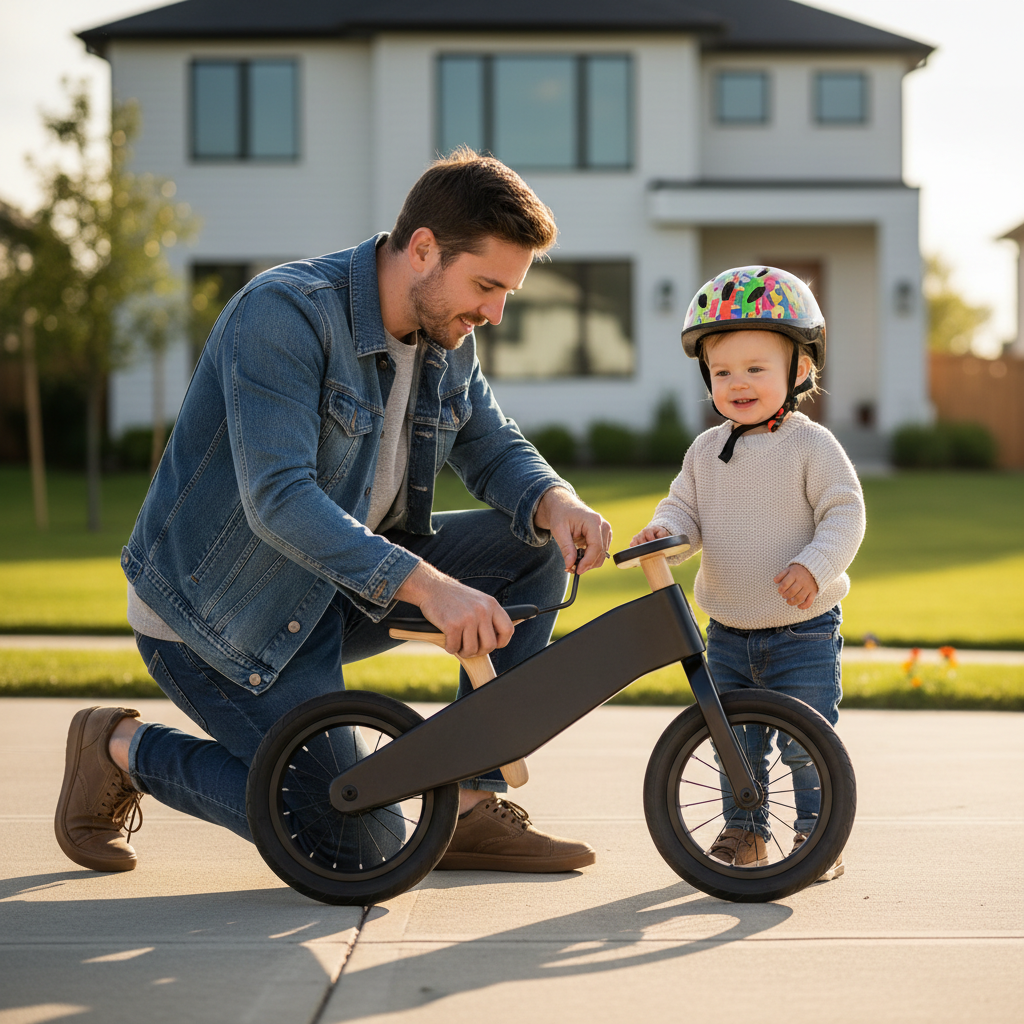
Step 1: Set the seat for success
- Start slightly lower rather than higher, confidence comes first.
- Check that knees bend a bit when feet are flat.
- Re-check after 2–3 rides, kids “grow overnight” in practice.
Step 2: Teach stopping before speed
- Practice “walk, glide, stop” on flat ground.
- If there’s a brake, introduce it as “slow down,” not emergency stopping.
- Keep early sessions short, 10 minutes can be plenty.
Step 3: Pick the right first route
- Flat, open space beats narrow sidewalks with driveways.
- Avoid steep slopes early, toddlers build speed faster than judgment.
According to NHTSA, helmet use is a key safety step for kids on bikes, so even on balance bikes, a properly fitted helmet is a smart baseline. If you’re unsure about fit, a local bike shop can usually help in minutes.
Common mistakes (and what to do instead)
- Buying “for next year”: kids won’t practice on a bike that feels tall. Buy for now, prioritize adjustability.
- Ignoring weight: a heavier frame can discourage smaller toddlers, especially when turning or starting.
- Overvaluing features: suspension and fancy add-ons rarely beat correct sizing and good tires.
- Skipping basic protection: at minimum, consider a helmet; knee/elbow pads can help some kids feel braver.
- Assuming a brake is mandatory: many toddlers stop with feet first; add brake complexity when they’re ready.
If you’re still comparing two models, choose the one with the lower minimum seat height and lighter build, it tends to work for more toddlers in more moods.
When to consider professional help or a different approach
Most kids wobble, it’s normal, but a few situations benefit from extra support. If your child consistently avoids putting weight on one side, frequently trips, or seems unusually uncomfortable, it may be worth discussing with your pediatrician or a pediatric physical therapist, especially if you already notice other motor-skill concerns.
For safety questions, a local bike shop can also check brake reach, tire pressure, and basic setup. Sometimes the “problem” is simply a seat that crept up or handlebars that shifted.
Conclusion: the smartest way to buy in 2026
The purchase decision gets simpler when you treat fit as non-negotiable and features as optional. In many homes, the best balance bike for toddlers ends up being the light, correctly sized model that your child willingly grabs day after day.
Action steps that usually pay off: measure inseam tonight, then shortlist two bikes whose minimum seat height sits slightly below it, and pick based on where you actually ride most weeks, not where you imagine riding on the perfect Saturday.
FAQ
- What age is a balance bike best for?
Many kids start around 18 months to 2 years, but fit matters more than age. If your child can walk confidently and reach the ground flat-footed while seated, they may be ready. - Is a 10-inch or 12-inch balance bike better for toddlers?
It depends on inseam and the bike’s minimum seat height. A 10-inch often fits smaller riders earlier, while many 12-inch models last longer if the minimum seat goes low enough. - Do toddlers need a hand brake on a balance bike?
Not always. Many toddlers naturally slow down with their feet. A gentle, easy-pull brake can help as they start gliding longer or riding small slopes. - Are air tires safer than foam tires?
Air tires typically offer more grip and comfort on rough surfaces, which can reduce slipping in some conditions. Foam tires are simpler and lighter for smooth pavement, neither choice replaces supervision and a helmet. - How do I know the seat height is correct?
Your child should sit with both feet flat and knees slightly bent. If they tip-toe or slide forward to reach the ground, the seat is usually too high. - Can a balance bike help my child skip training wheels?
Often yes, because it teaches balance directly. Many kids move from balance bike to a pedal bike without training wheels, but timelines vary by confidence and practice opportunities. - What’s the biggest buying mistake parents make?
Buying a bike that’s “a little too big” for growth. In real life, that often slows learning because kids stop feeling in control.
If you’re trying to narrow down the best balance bike for toddlers for your child’s height and where you ride, a quick shortlist based on inseam and terrain usually beats reading another ten product pages, you can also bring measurements to a local bike shop and ask for a fast fit check.