
Best cycling rain pants waterproof choices come down to a few non-glamorous details: how well seams are sealed, how the pant fits your riding position, and whether breathability keeps you from getting soaked from the inside out.
If you ride in real rain, you already know the frustration, pants that “technically” repel water for 10 minutes, cuffs that flap into the chain, and that clammy feeling when a non-breathable shell turns into a sauna. The good news is you don’t need a closet full of gear, you need the right features for your routes and your tolerance for fuss.
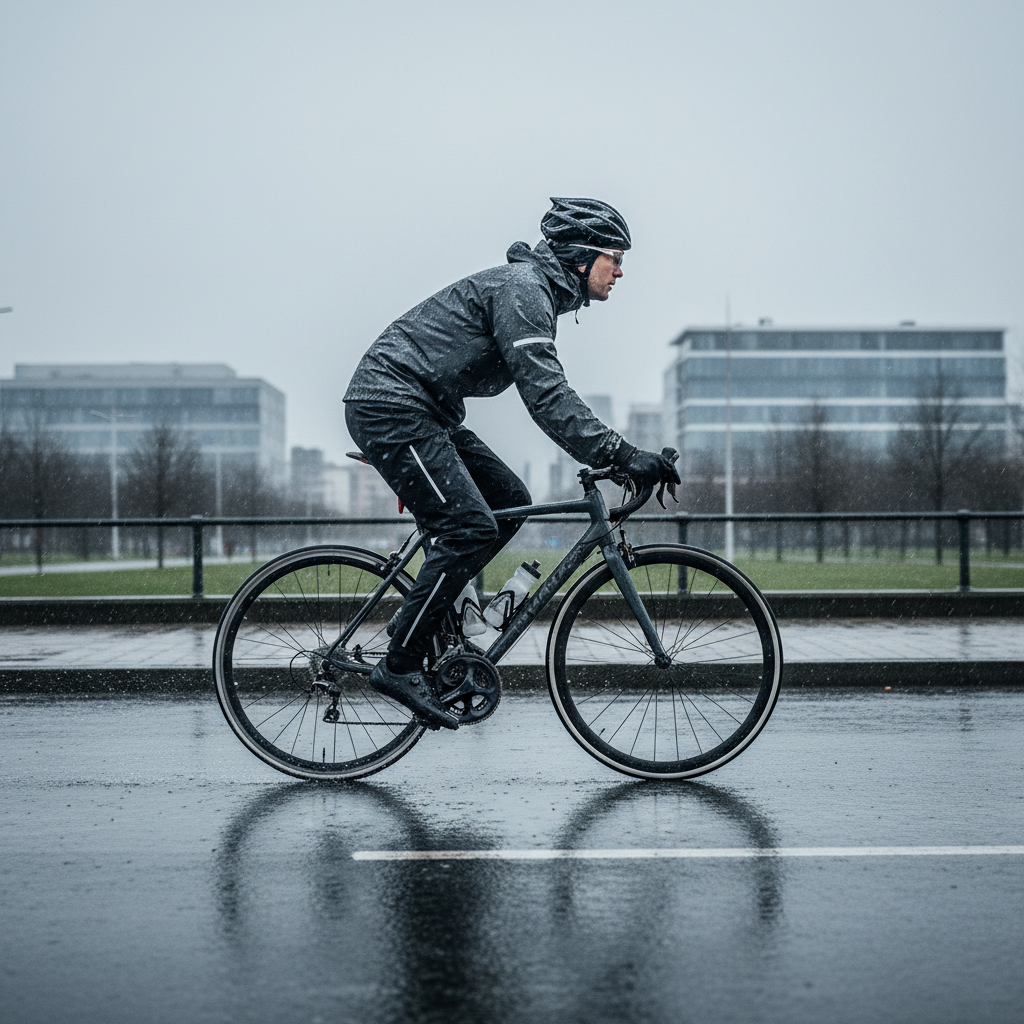
This guide helps you pick rain pants that stay dry where it matters, pedal smoothly, and pack easily. I’ll also call out common traps like buying based on a “waterproof rating” alone, or choosing a fit that works for standing around but not for cycling.
What makes cycling rain pants truly waterproof (not just “water resistant”)
Marketing labels get sloppy fast, so it helps to translate specs into what you feel on the bike. The best-performing waterproof cycling pants usually combine a waterproof membrane, sealed seams, and a design that blocks spray at the cuffs and seat.
- Waterproof fabric + membrane: Typically a 2-layer, 2.5-layer, or 3-layer laminate. More layers often mean better durability and feel, but also higher cost.
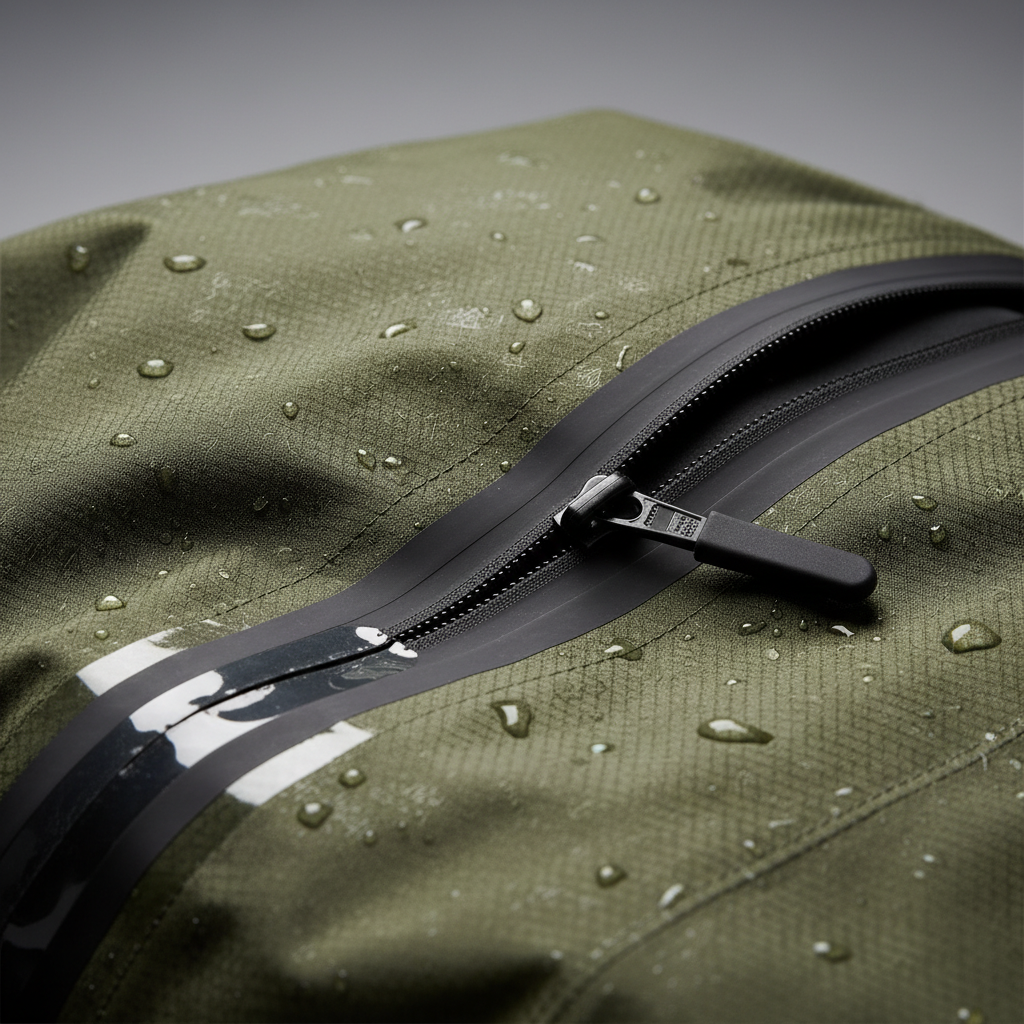
- Fully taped seams: If seams aren’t sealed, water finds its way in even when the fabric itself is solid.
- Durable Water Repellent (DWR) finish: Helps water bead and roll off. When DWR wears off, the face fabric “wets out,” breathability drops, and you feel clammy.
- Cuff and ankle sealing: Bike spray hits low and hard. Zippered ankles, gussets, and snug closures matter more than people expect.
According to REI..., waterproof garments rely on a waterproof/breathable barrier plus seam sealing, and DWR maintenance affects real-world performance. That lines up with what most riders notice: neglected DWR often feels like “leaking,” even when it’s actually saturation and condensation.
How to choose the right pair for your riding style
Before you compare models, be honest about how you ride in rain. Commuters, road cyclists, and bikepackers tend to prioritize different things, and forcing one “do it all” pant can turn into constant annoyance.
Commuting and city riding
- Priority: fast on/off, pocket access, durability on the seat
- Look for: full or 3/4 side zips, reinforced butt area, reflective hits, room to layer over work pants
Road cycling and training rides
- Priority: quiet fabric, trim knees, low bulk, less flap
- Look for: athletic cut, articulated knees, minimal extra fabric at the thighs
Gravel, touring, and bikepacking
- Priority: all-day comfort, repairability, pack size
- Look for: tougher face fabric, venting options, cuffs that handle mud and frequent on/off
If your rain is usually short and light, you might value packability and quick deployment. If you ride for an hour-plus in steady rain, breathability and seam quality become the difference between “fine” and miserable.
Quick comparison table: features that matter most
Here’s a practical way to compare options without getting lost in jargon. Use it like a checklist when you’re shopping.
| Feature | Why it matters on a bike | Best for | Trade-off |
|---|---|---|---|
| Fully taped seams | Stops leaks at stitch lines | Heavy rain, longer rides | Often higher cost |
| 2.5L/3L waterproof fabric | Better durability + comfort | Frequent riders | Can feel stiffer, pricier |
| Side zips (3/4 or full) | Easy on/off over shoes, adds venting | Commuters | More weight, more failure points |
| Articulated knees | Less binding while pedaling | Road/gravel | Fit gets more specific |
| Reflective details | Visibility in low light and spray | Night commuting | Not a substitute for lights |
| Reinforced seat | Seat rub wears fabric fast | Daily use | Less packable |
Self-check: are you buying the right “best cycling rain pants waterproof” for your needs?
This is the part most people skip, then they end up returning gear. Run through these questions quickly.
- Ride length: under 30 minutes, or over an hour in steady rain?
- Temperature: cool and wet, or warm and wet (warm rain demands better venting)?
- Layering: do you need to wear these over jeans/work pants, or only over cycling shorts/tights?
- On/off frequency: will you stop to put them on mid-ride, or start with them already on?
- Bike type: road position often needs more knee articulation; upright commuting can tolerate a roomier cut.
- Spray exposure: no fenders means your lower legs take a beating, so cuffs and ankle closures move up the priority list.
If you answered “long rides, warm temps, and no fenders,” don’t cheap out on breathability and seam sealing, that’s where disappointment usually starts.
Fit and comfort: where rain pants usually fail on real rides
Even excellent waterproofing can feel awful if the cut fights your pedal stroke. When you try on pants, mimic your riding posture, bend the knee high, and check what happens at the cuff and crotch.
- Waist stability: a higher back rise helps coverage when you lean forward. A drawcord can prevent sag when pockets get heavy.
- Knee room: “articulated” means the pattern is built for bent legs. Without it, fabric pulls across the thighs.
- Cuff control: look for velcro tabs, elastic hems, or tapered lower legs. Baggy cuffs plus wet chain equals grime and potential snags.
- Chafe points: bulky inner seams and stiff zippers can rub, especially on longer rides.
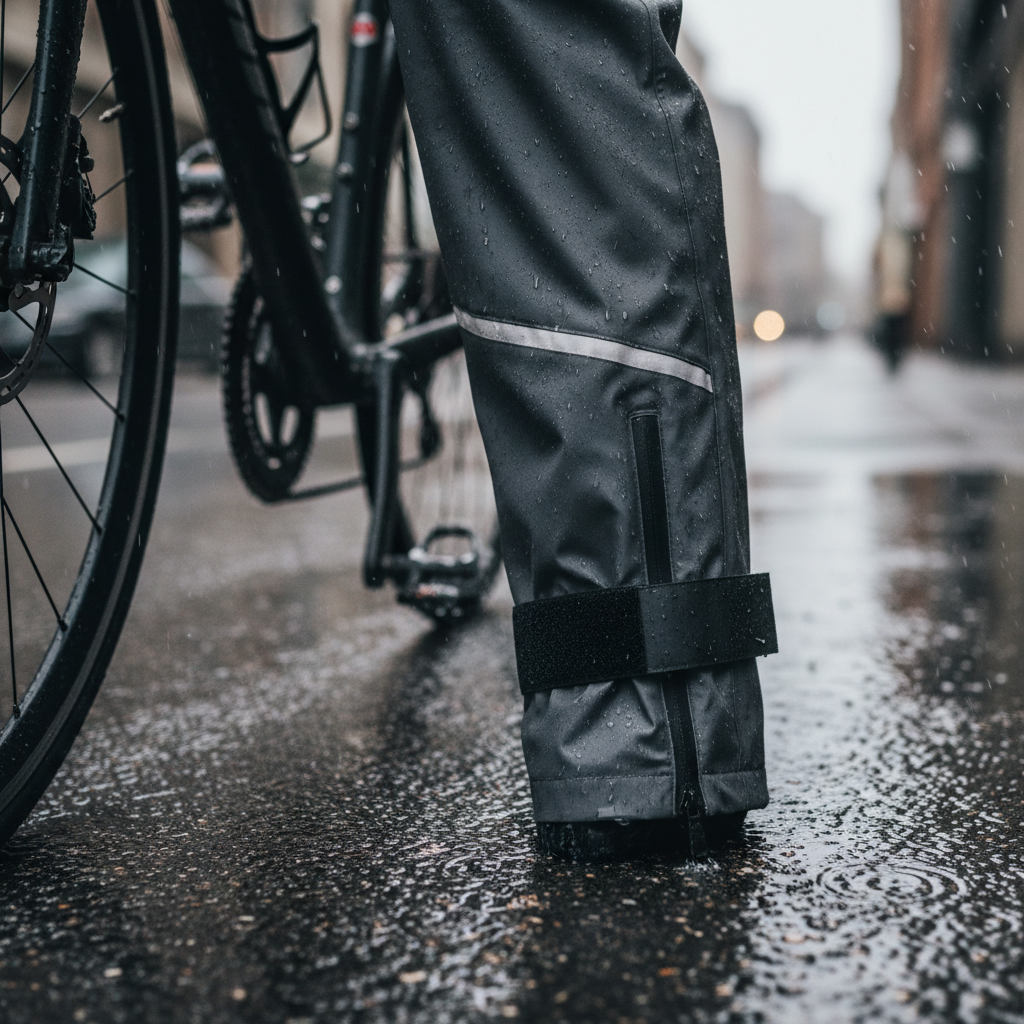
One more reality check: if you’re between sizes, sizing up often helps commuters who layer over clothes, while road riders usually prefer the cleaner silhouette for less flapping. Either way, make sure you can still step through if you’re buying limited-zip designs.
Practical buying advice: features worth paying for (and what you can skip)
Not everyone needs top-tier everything. Spend where rain pants commonly fail, and save where differences are mostly comfort preferences.
Worth paying for
- Seam taping quality: especially in the seat and inner thigh, where spray and pressure combine.
- Reliable ankle closure: keeps water from running up the leg and avoids drivetrain mess.
- Side zip length that matches your routine: full zip for frequent on/off, shorter zip if you never change mid-ride.
Usually optional
- Lots of pockets: handy for commuting, but pockets can leak and add bulk for training rides.
- Ultra-light minimal shells: great for emergency use, less great for daily abrasion and repeated washing.
Key takeaway: for most riders, “best” means a balanced pair that stays dry at seams and cuffs, and breathes enough that you don’t feel steamy after ten minutes.
How to wear and maintain waterproof cycling rain pants (so they keep working)
Rain gear performance often drops because of care, not because the product was “bad.” A simple routine helps maintain waterproofing and comfort over time.
- Layer smart: in cooler weather, a thin wicking layer reduces clamminess. In warmer rain, lighter layers plus venting usually feel better.
- Use vents early: if your pants have zips, crack them before you overheat. Once you’re sweaty, it’s hard to “vent your way out.”
- Wash correctly: follow the garment label, avoid fabric softener, which can reduce water repellency and breathability.
- Refresh DWR when needed: if water stops beading, a wash-in or spray-on treatment may help, assuming the membrane and seam tape remain intact.
According to GORE-TEX..., regular cleaning and DWR care help waterproof breathable garments maintain performance over time. If your rain pants use a different membrane, the same principle often applies, but follow the brand’s instructions.
Safety notes and when to get expert help
Rain riding adds risk: traction changes, visibility drops, and cold stress can creep in. Good pants help, but they’re not a safety system by themselves.
- Visibility: reflective details help, but you still want proper bike lights. According to NHTSA..., visibility is a key factor in roadway safety, and cyclists benefit from being seen clearly in low-light conditions.
- Cold and numbness: if you notice persistent numb feet or shivering, warming up and reassessing clothing choices is sensible, and in some situations you may want medical advice.
- Fit hazards: anything that can snag the chain is a real problem, test cuff tightness before rolling out.
- Skin irritation: if you get repeated rashes or chafing, consider different seam placement or consult a professional fitter for advice.
If you’re dealing with frequent heavy rain commuting, recurring gear failures, or you simply hate trial-and-error buying, a local bike shop can be surprisingly helpful for dialing in fit, especially around cuffs and layering.
Conclusion: picking your next pair with fewer regrets
The best waterproof cycling rain pants are the ones you’ll actually wear, because they go on fast, don’t bind at the knees, and stay dry at seams and cuffs where rain and spray punish gear the most. If you want a simple next step, pick one “must-have” feature for your routine, full side zips for commuting or a trim articulated cut for training, then refuse to compromise on seam taping.
If you’re shopping this week, make a short list of two or three models, compare them using the table above, and double-check cuff control and knee articulation before you click buy.