
How to stay dry cycling in the rain comes down to a few practical choices: what you wear, how you layer, and where water actually sneaks in first, usually your feet, cuffs, and neckline.
If you ride in the U.S., rain often means big temperature swings, spray from cars, and puddles that look shallow until they aren’t. The goal is not “perfectly dry” for hours, it’s staying comfortable, warm enough, and visible so you can ride without cutting it short.
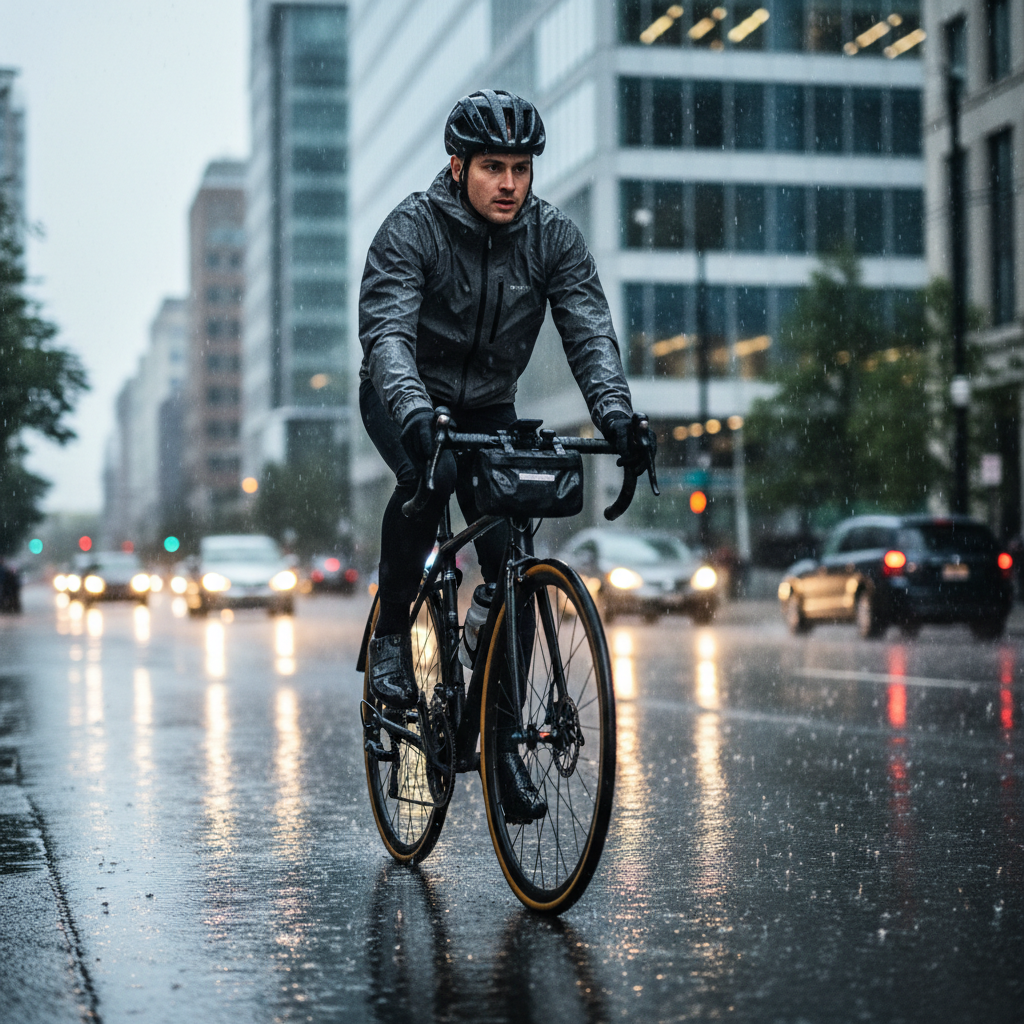
One quick mindset shift helps: rain management is about controlling moisture, both from the sky and from your own sweat. A jacket that blocks water but traps heat can leave you just as damp.
This guide walks through a real-world setup, how to test what you already own, and a few “small” details that usually make the biggest difference.
Where “wet” really comes from on a rainy ride
Most riders assume rain only falls from above, but on a bike, the biggest soaking often comes from below and behind.
- Road spray off tires hits your shoes, calves, and lower back.
- Wicking points like jacket cuffs, collar gaps, and waistband pull water inward over time.
- Sweat buildup under non-breathable layers leaves you clammy, even if rain never gets through.
- Wind-driven rain finds zippers, vents, and helmet straps.
So if you’re trying to figure out how to stay dry cycling in the rain, start by protecting your lower half and managing airflow, not just buying a thicker shell.
Build a rain layering system that actually works
A working rain kit has three jobs: shed water, move sweat, and keep you from getting chilled at stops. That tends to look like base layer + breathable shell + targeted waterproofing.
Base layer: avoid cotton, choose quick-dry
Rain magnifies whatever your base layer does. Cotton holds water and turns cold fast; synthetic or merino usually behaves better for most people.
- Cool-to-mild temps: lightweight synthetic or light merino.
- Cold rain: midweight merino or a brushed synthetic, but keep it slim to avoid overheating.
Shell: prioritize breathability and fit details
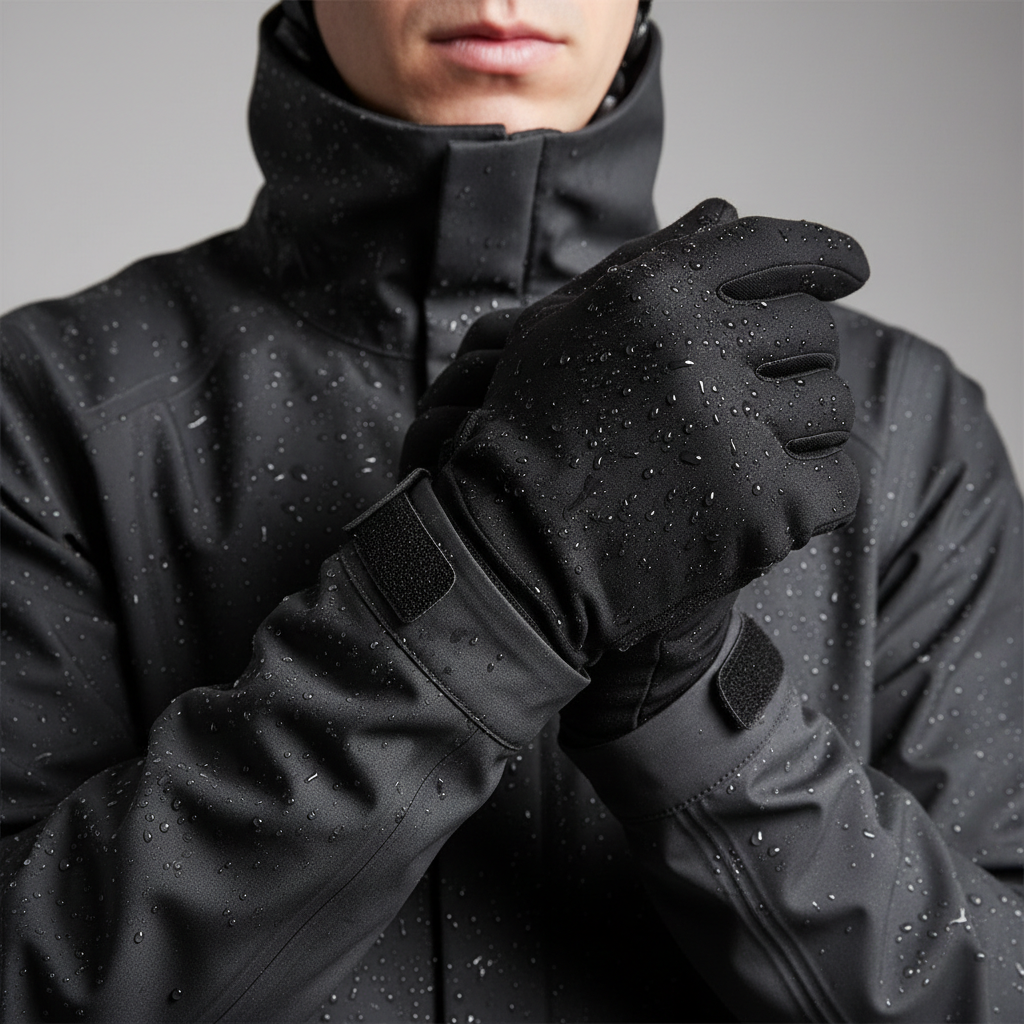
Look for a cycling-cut rain jacket with a longer tail, a high collar, and cuffs that seal. Pit zips help a lot if you tend to sweat.
- Fit check: if your sleeves ride up on the bars, water will creep into gloves.
- Closure check: a stiff collar that gaps in the wind lets rain run down your chest.
Lower body: choose your “wet tolerance”
Some riders prefer waterproof pants, others accept wet thighs but keep feet dry. For commuting, rain pants often pay off because your body heat isn’t as high as during training rides.
- Short ride or warm rain: water-resistant tights/shorts plus good fenders can be enough.
- Longer commute or cold rain: waterproof-breathable rain pants reduce chill, especially at traffic lights.
Feet, hands, and face: the comfort trifecta
If you only upgrade three things for wet rides, make it these. Soggy feet and numb fingers are what push many people to give up on riding in rain.
Dry-ish feet: shoes, socks, and covers
- Shoe covers help most with road spray, but they need to seal above the ankle to avoid funneling water.
- Waterproof socks can work well, but they vary by fit and can feel clammy for some riders.
- SPD commuters often do best with water-resistant shoes plus covers, then keep spare socks at work.
Small detail that matters: if your rain pants cover the shoe cover opening, water tends to run down the pant leg and into the shoe. If your pants go inside the cover, you sometimes get the same funnel effect. You may need to test which overlap works with your specific gear.
Hands: keep dexterity, not just warmth
- Light rain: water-resistant gloves with good grip.
- Cold rain: insulated waterproof gloves, or a two-layer system with a thin liner.
- Long rides: bar mitts can be surprisingly effective for warmth and rain protection.
Face and vision: solve fog and glare
Foggy glasses make rain riding feel sketchy. Ventilation usually beats “more coating” in real conditions.
- Use glasses with larger vents or slightly lower them on your nose to increase airflow when safe.
- Cap under helmet: helps keep drops off lenses, but don’t block peripheral vision.
- Clear or high-contrast lenses often work better than dark tint under gray skies.
Bike setup that keeps you drier than any jacket upgrade
Many people chasing how to stay dry cycling in the rain spend on clothing first, then realize the bike itself was the problem. Two add-ons usually change everything.
Fenders: the “unsexy” game changer
Full-coverage fenders reduce water blasting your shoes, legs, and back. A longer rear mudflap helps if you ride behind others or in traffic.
Tires and pressure: less spray, more control
Wider tires at slightly lower pressure often improve grip and comfort on wet roads. Tire choice depends on your bike and clearance, but avoid ultra-hard compounds if you routinely ride wet.
Brakes and drivetrain: rain reality check
Wet conditions reduce braking performance, especially for rim brakes. According to NHTSA, wet roadways can increase stopping distance and crash risk, so leaving more space is a smart default.
- Wipe rims/rotors after rides, check pad wear more often.
- Lube chain with a wet-condition lube when rain becomes frequent, wipe excess to avoid grit paste.
Quick self-check: what’s failing on your current rainy setup?
Before buying anything, pinpoint the leak. A lot of “rain gear doesn’t work” complaints come from one gap.
- Wet feet first? Likely road spray, lack of fenders, shoe cover overlap issues, or saturated shoes.
- Water down chest? Collar gap, helmet strap channeling, or zipper seepage.
- Wet wrists and cold hands? Cuffs too loose, glove/jacket overlap wrong, sleeves riding up.
- Soaked lower back? No rear fender coverage, short jacket tail, or riding posture exposing a gap.
- Clammy everywhere? Overheating and trapped sweat, not just rain penetration.
Write down the first place you feel uncomfortable during a wet ride. That’s usually the best upgrade target.
Practical gear picks by scenario (with a simple table)
Different rain needs different solutions. Here’s a realistic way to match effort and cost to your ride.
| Scenario | What to prioritize | Most common mistake |
|---|---|---|
| 10–20 min commute, warm rain | Fenders, shoe covers, lightweight shell with vents | Overdressing, then sweating through |
| 30–60 min commute, cool rain | Breathable rain jacket, rain pants, waterproof gloves | Ignoring cuffs/neck gaps that wick water |
| Long training ride in steady rain | Moisture management, glove system, eyewear anti-fog strategy | Chasing “fully waterproof” and overheating |
| Heavy downpour with traffic spray | Full fenders, high-visibility layers, lights, conservative speed | Skipping visibility and relying on dark rain gear |
On-the-road tactics that keep you drier and safer
Even with perfect gear, technique matters. Rain changes how you interact with cars, paint lines, and puddles.
- Slow down before turns, avoid sudden braking mid-corner.
- Avoid slick surfaces like metal plates, wet leaves, and painted lane markings when possible.
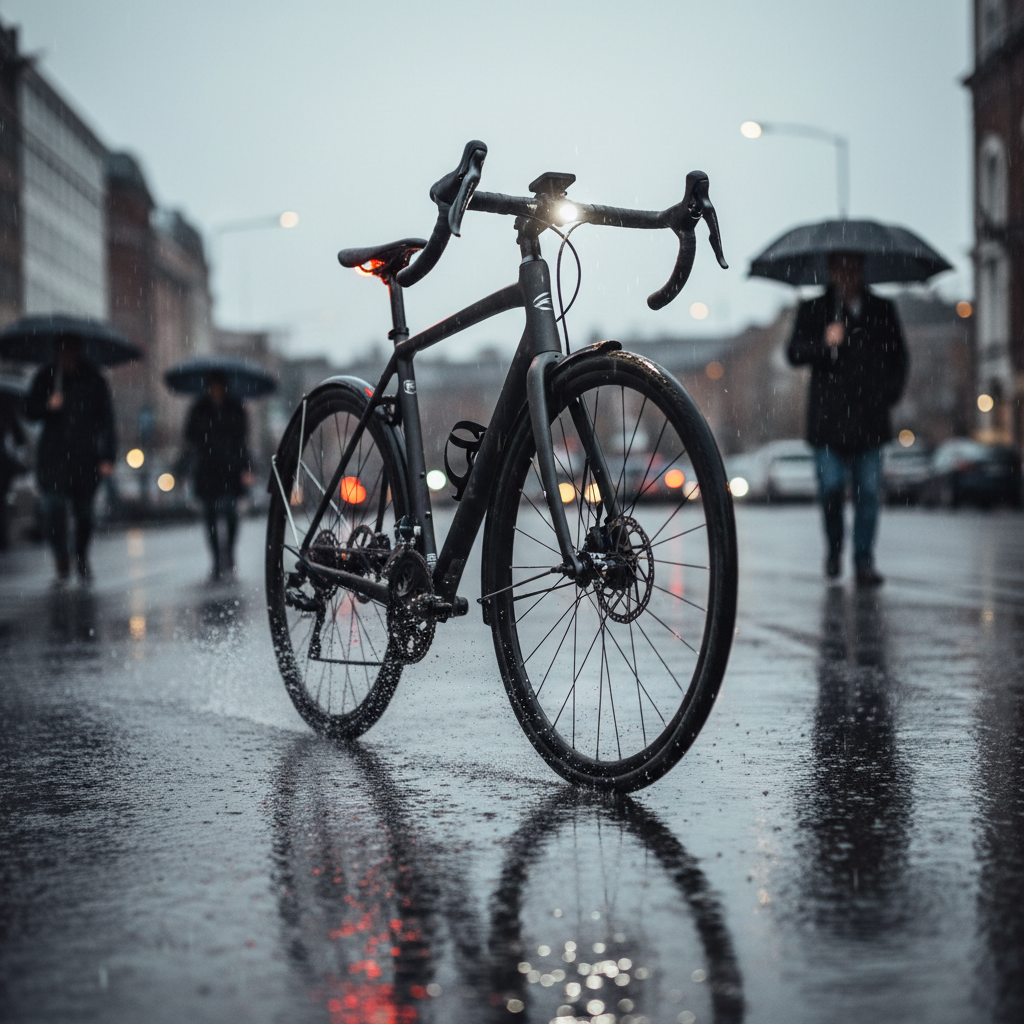
- Ride visible: use a bright rear light in daytime rain, and add reflective elements.
- Pick a drier line: often near the crown of the road, away from gutter runoff, but stay predictable.
- Vent early: if you feel heat building, unzip slightly before you start sweating heavily.
According to CDC, wearing a helmet can reduce risk of head injury, but fit matters; if you change hats or add a cap in rain, make sure the helmet still sits level and secure.
Common myths that keep riders soaked
- Myth: “A heavier jacket is warmer.” In many cases, it just traps sweat, then you chill at stoplights.
- Myth: “Waterproof means breathable enough.” Breathability varies a lot, especially under a backpack.
- Myth: “I don’t need fenders if I have rain pants.” Spray still hits shoes, drivetrain, and riders behind you.
- Myth: “If my shoes get wet, it’s inevitable.” Often it’s a cuff overlap issue or insufficient rear coverage.
If you’re carrying a backpack, consider a rain cover or switch to panniers. Back sweat plus a soaked pack is a fast way to feel miserable.
When to consider professional help or a different plan
Rain riding usually stays in the “manageable” category, but there are times when getting advice, or just choosing a different option, makes sense.
- If you have circulation issues or get numb hands/feet easily, ask a clinician for guidance on cold exposure and safe limits.
- If braking feels inconsistent, have a local bike shop inspect pads, rotors/rims, and cable or hydraulic performance.
- If storms include lightning, high winds, or flood-prone routes, delaying the ride can be the safer call.
Key takeaways (so you can act today)
- Start with fenders and feet, they often solve most “I got drenched” complaints.
- Use a breathable system, not the most waterproof-looking shell.
- Fix the small gaps: cuffs, collar, pant-to-shoe overlap.
- In traffic spray, visibility and spacing matter as much as staying dry.
Conclusion: stay dry enough, ride comfortably, repeat
How to stay dry cycling in the rain is less about chasing a perfectly sealed outfit and more about closing the obvious entry points, adding fenders, and keeping sweat under control. Dial in your feet and hands, test your overlaps at cuffs and ankles, then adjust ventilation before you overheat.
If you want one action this week, do a short rain ride and note the first place you feel water getting in, then fix that single point. That approach usually beats buying a whole new kit at once.
FAQ
- What’s the easiest way to stay dry on a bike in rain?
Full-coverage fenders plus a breathable rain jacket usually delivers the biggest comfort jump, because it cuts road spray and prevents sweat buildup. - How do I keep my shoes dry while biking in the rain?
Shoe covers or waterproof socks can help, but the real trick is stopping spray with fenders and getting the pant cuff overlap right so water doesn’t funnel into the shoe. - Are rain pants worth it for cycling?
For commutes and cool rain, often yes because you stop and cool down. For hard training rides, some riders prefer lighter, more breathable options and accept wet legs. - Why do my glasses fog up in the rain?
Humidity plus trapped heat around your face causes fog. More airflow, a helmet cap brim to reduce droplets, and glasses with better venting often help more than thicker anti-fog coatings. - Do I need special tires for wet weather riding?
Not always, but tires with a grippier compound and a bit more width can feel more confident on wet pavement. Pressure choice matters too, and depends on your weight and tire size. - Is it safe to ride in heavy rain with cars around?
It can be, but risk tends to rise due to visibility and longer stopping distances. Use bright lights, ride predictably, leave more space, and consider postponing if conditions include flooding or strong winds.
If you’re trying to make rainy commutes feel routine instead of stressful, it can help to build a small “wet weather kit” you keep ready, jacket, gloves, and shoe protection, so you’re not making gear decisions at the door when the forecast turns.