
how to recover faster after cycling often comes down to a few unglamorous basics, eat enough soon after the ride, rehydrate with a plan, get real sleep, and keep the next 24 hours low-stress on your legs.
If you’ve ever finished a hard ride feeling fine, then woke up the next day with heavy legs and a “why does the staircase hurt” mood, you’re not alone. Cycling recovery is less about one magic tool and more about stacking small, consistent choices that reduce soreness and restore energy.
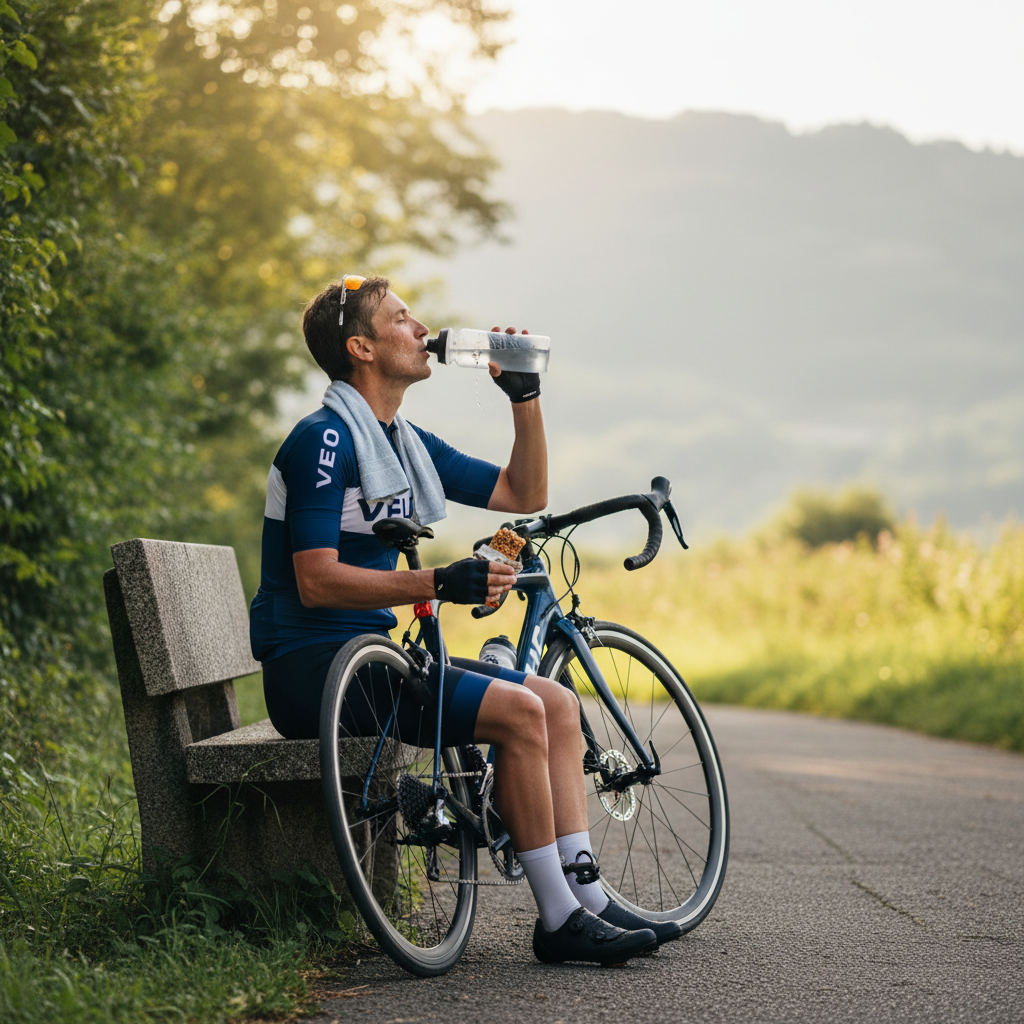
The tricky part is that “recovery” can mean different problems: low energy, muscle soreness, lingering knee pain, poor sleep, or just not bouncing back between workouts. This guide helps you diagnose which one applies, then gives practical steps you can actually follow.
What recovery really means after a ride
Most riders talk about recovery like it’s one thing, but your body is juggling several jobs at once: restoring muscle glycogen (stored carbs), repairing micro-damage in muscle, calming stress hormones, and replacing fluid and electrolytes.
According to the American College of Sports Medicine (ACSM), post-exercise recovery involves both replenishing energy stores and rehydrating, plus appropriate rest between sessions. In plain English, you want to feel normal again, not just “less sore.”
- Short-term recovery (0–6 hours): refuel, rehydrate, downshift your nervous system.
- Next-day recovery (6–24 hours): sleep quality, easy movement, enough total food.
- Between-training recovery (24–72 hours): adapting to training load without digging a fatigue hole.
Why you’re not bouncing back: the usual culprits
When someone asks how to recover faster after cycling, the answer is usually hiding in one of these gaps. Not because they’re doing everything “wrong,” but because the basics get missed when life is busy.
- You under-fueled during the ride: long rides with too few carbs can leave you depleted even if you felt okay at the time.
- You waited too long to eat afterward: skipping a real meal can turn a hard session into a two-day hangover.
- You’re low on fluids or sodium: cramps and headaches are obvious, but “heavy legs” can be subtle dehydration.
- Your easy days aren’t easy: a “recovery ride” that becomes a group hammerfest is not recovery.
- Sleep is short or fragmented: training stress plus screen time plus late caffeine is a common combo.
- Bike fit or load issues: soreness in specific joints (knees, Achilles, low back) can be mechanical, not fitness.
Quick self-check: which recovery problem do you have?
Use this as a fast filter before you buy another gadget. Circle what sounds like you, then focus your fixes.
| What you notice | Most likely cause | What to do first |
|---|---|---|
| Flat legs, low motivation, hungry late at night | Not enough carbs/total calories | Eat a carb + protein meal within 1–2 hours |
| Headache, cramps, salty kit, puffy fingers | Fluid/electrolyte mismatch | Rehydrate gradually, include sodium in foods/drink |
| Sore quads/glutes for 48+ hours after hard rides | Training load jump, not enough easy movement | Do an easy spin or walk, adjust intensity next time |
| Knee/hip/ankle pain in one spot | Fit, cleat position, or technique issue | Back off intensity, consider a fit check |
| Can’t sleep after evening rides | Late intensity, caffeine, poor wind-down | Earlier workouts, low-stimulus bedtime routine |
The 0–2 hour recovery window: your biggest leverage
If you want the highest ROI answer to how to recover faster after cycling, it’s what you do right after you stop. Not because there’s a magical “anabolic window,” but because it’s simply easier to replace what you just used while your appetite and schedule still cooperate.
1) Eat carbs + protein, keep it boring and reliable
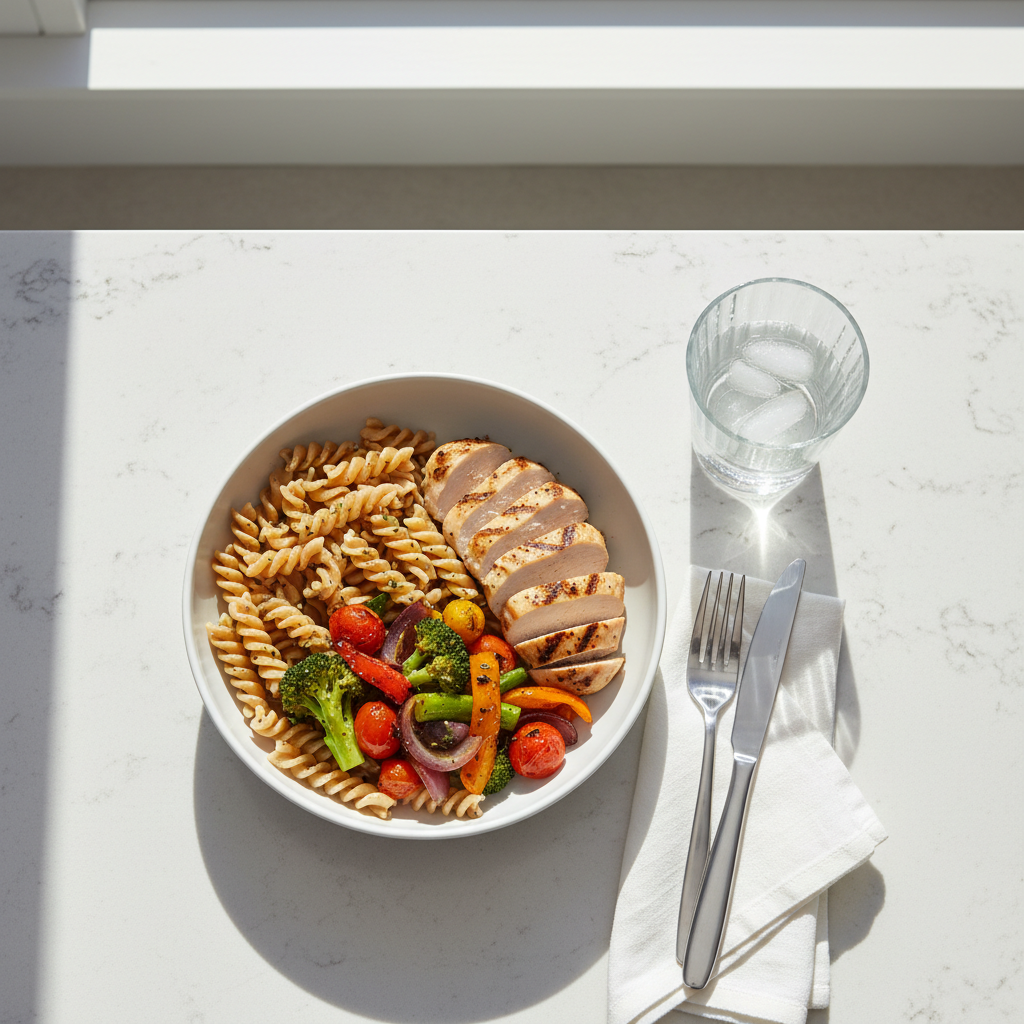
A practical target many sports dietitians use is carbs plus 20–40 g protein after training, with more carbs after longer or harder rides. The exact amount varies by body size and ride load, so treat this as a starting range, not a rule.
- Chocolate milk + banana + a sandwich later
- Rice or potatoes + eggs or chicken, add fruit
- Greek yogurt + granola + berries, drizzle honey
According to the International Olympic Committee (IOC), carbohydrate availability matters for performance in endurance sports, and athletes often benefit from planned fueling around training. Translation: if you chronically “tough it out,” recovery usually gets slower.
2) Rehydrate with intention (not panic-chugging)
Hydration is personal because sweat rate and sodium loss vary a lot. A simple approach: drink steadily over the next few hours, include sodium via normal foods (soups, salted rice, pretzels) or an electrolyte drink if you’re a heavy sweater.
- Check urine color: pale yellow usually signals you’re in a decent range.
- Weigh pre/post ride (optional): large drops suggest you need a better on-bike plan.
- Don’t overdo plain water: if you sweat heavily, sodium matters.
According to the Centers for Disease Control and Prevention (CDC), heat and physical activity increase fluid needs, and dehydration can sneak up quickly in hot conditions. If you ride in summer heat, recovery starts during the ride.
3) Cool down and shift gears mentally
A 5–10 minute easy spin, then a few minutes of calm breathing or a short walk can help you exit “race mode.” It’s not a miracle cure, but it often improves how you feel later in the day.
Next-day recovery: make easy actually easy
The day after a big ride is where many riders accidentally sabotage themselves. You can’t out-stretch a week of short sleep, and you can’t foam-roll your way out of under-eating.
Active recovery that works for most cyclists
- 20–45 minutes very easy spinning: conversational pace, light gear, high cadence.
- Walks: underrated, especially if you sit for work.
- Gentle mobility: hips, calves, hamstrings, thoracic spine.
If your “recovery ride” ends with burning legs, treat that as a clue. Many people need an easier gear, a shorter duration, or a full rest day.
Sleep: the recovery tool you can’t hack
Sleep is where a lot of adaptation happens, and when it’s off, everything feels harder. Even solid nutrition won’t fully compensate for repeated short nights.
- Keep caffeine earlier: many riders do better with no caffeine after early afternoon, but sensitivity varies.
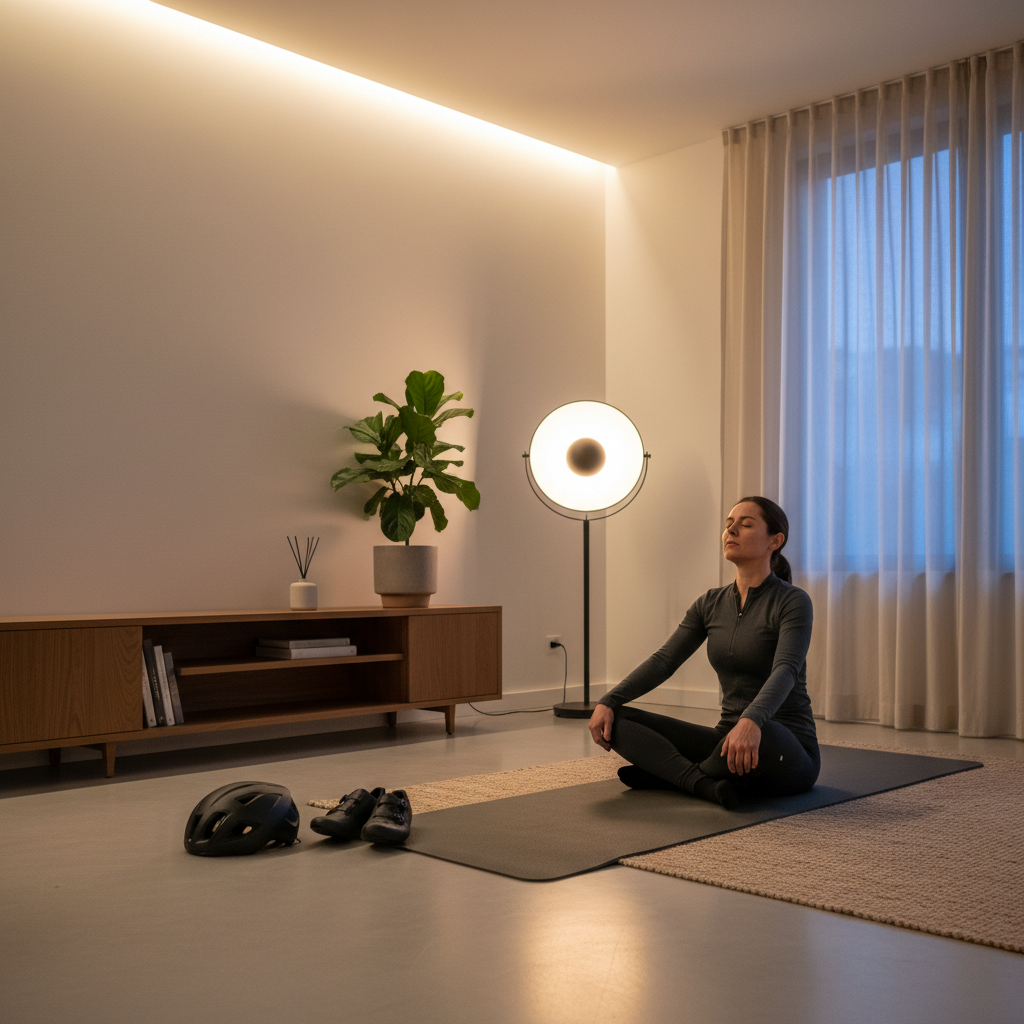
- Wind down after late rides: dim lights, warm shower, low-stimulation routine.
- Eat enough dinner: going to bed hungry can wake you up at 2 a.m.
According to the National Sleep Foundation, consistent sleep schedules and a calming pre-sleep routine support better sleep quality. If you’re training hard, “sleep hygiene” stops being a wellness cliché and becomes performance support.
Muscle soreness, tightness, and “maintenance” tools: what’s worth it?
Here’s the honest take: these tools can help you feel better, but they rarely fix the core problem if fueling, sleep, and load management are off.
Stretching
Light stretching can reduce the “stiff” feeling, especially after sitting. Aggressive stretching on very sore muscles often backfires, keep it gentle.
Foam rolling and massage
Many riders report short-term relief. Use it to downshift and improve comfort, not to chase pain. If you bruise yourself with a roller, that’s not toughness, it’s noise.
Compression and cold water
Compression socks and cold exposure can reduce the sensation of soreness for some people. If you race back-to-back days, they may be useful. If you’re trying to build long-term training adaptation, frequent ice baths might not be ideal for everyone, so consider discussing with a coach or clinician if you rely on them heavily.
Practical recovery plans (choose your scenario)
Below are simple, repeatable checklists you can keep on your phone. They’re not perfect for every body, but they cover what usually matters.
After a hard interval ride (60–120 minutes)
- 10 minutes easy spin to finish
- Carb + protein snack on the way home
- Normal dinner with carbs, add a salty food if you sweat a lot
- Bedtime routine, aim for a full night
After a long endurance ride (2–6 hours)
- Eat a real meal within 1–2 hours, not just a bar
- Hydrate steadily all afternoon, include electrolytes via food or drink
- Light mobility later, short walk if you get stiff
- Next day: easy spin or full rest, depending on fatigue
After a race or very hard group ride
- Refuel immediately, prioritize carbs
- Keep the rest of the day simple, avoid extra training “because you feel good”
- Next 48 hours: easy movement only, then reassess
Common mistakes that slow recovery (even for experienced riders)
- Confusing soreness with progress: sometimes it’s just a sign you overshot load or skipped food.
- Only focusing on protein: carbs matter a lot for cyclists because they restore training capacity.
- Turning every ride into a test: steady endurance days need restraint.
- Ignoring pain that feels “sharp” or one-sided: that’s often not normal training fatigue.
- Copying someone else’s routine: sweat rate, schedule, and stress levels differ.
When to get professional help
Most fatigue clears with smarter eating, better sleep, and a slightly easier week. Still, you should consider a sports medicine clinician, physical therapist, or a qualified bike fitter if you notice any of the following.
- Pain that changes your pedaling, worsens each ride, or persists beyond a week
- Numbness in hands, groin, or feet that doesn’t improve with simple adjustments
- Unusual shortness of breath, chest symptoms, or dizziness, especially in heat
- Signs of disordered eating or chronic low energy availability
This article offers general education, not medical advice. If symptoms feel concerning, it’s sensible to consult a licensed professional.
Key takeaways you can use today
- Eat soon and eat enough, especially carbs plus 20–40 g protein after harder rides.
- Rehydrate gradually, and consider sodium if you sweat heavily.
- Make easy days easy, recovery rides should feel almost boring.
- Protect sleep, because it drives adaptation more than most tools.
Conclusion: faster recovery is mostly consistency
If you’re serious about how to recover faster after cycling, stop hunting for the one trick and start building a repeatable post-ride routine you can do even on busy days. Pick two upgrades for this week, usually a post-ride meal you’ll actually eat and a sleep plan that fits your schedule, then let the compounding do its job.