
Best Loud, Clear Bike Bell for 2026: What to Buy and Why
The best bike bell loud and clear is the one that cuts through traffic noise without sounding harsh, mounts securely on your handlebar, and stays easy to hit when you actually need it. If your current bell feels “polite” or gets ignored on multi-use paths, it’s usually not just the brand, it’s the bell style, striker design, and how it’s mounted.
This topic matters more than people admit because a bell is one of the few ways to communicate early, from a distance, without escalating into yelling. In a lot of U.S. cities and popular trail systems, riders mix with runners, kids, and dogs, and “I rang but nobody moved” is a common frustration.

One quick misconception: “loud” alone doesn’t guarantee people react. A bell that’s clear and directional often gets better results than a dull, low ring that technically measures loud but blends into background noise. This guide helps you pick the right bell type for your riding environment, then set it up so it performs like it should.
What makes a bike bell sound loud and clear (in real riding conditions)
Bell performance is a mix of acoustics and usability. You’re not buying a lab number, you’re buying “will someone hear me, recognize it as a bike, and react in time.”
- Pitch and tone: Higher, brighter tones often carry through wind and traffic better than a low “thunk.” A clean strike with minimal rattle reads as intentional.
- Bell size and dome shape: Larger domes can create fuller resonance, but shape and metal thickness also change how the ring travels.
- Striker mechanism: A crisp spring striker or well-made lever tends to produce a consistent ring. Cheap mechanisms can double-hit or buzz.
- Mount stiffness: If the clamp slips or the bell body flexes, sound gets damped. A tight mount can be the difference between “clear” and “meh.”
- Reach and ergonomics: If you can’t ring it without moving your hand off a safe grip, you’ll ring later than you should, which feels less effective.
According to the League of American Bicyclists, predictable communication is part of safe riding etiquette, and audible signaling can help when sharing space. Your bell becomes more useful when you ring early and keep your line steady, rather than ringing at the last second.
Quick self-check: what kind of bell do you actually need?
Before shopping, get honest about where you ride. Many people buy an “urban” bell then wonder why it disappears on windy open trails, or they buy a super sharp bell then feel awkward using it around families.
- Mostly city streets with cars: Look for a bell with a bright, piercing ring, strong mount, and easy thumb actuation with gloves.
- Multi-use paths (runners, strollers): A friendly but clear tone works well, plus a mechanism you can tap repeatedly without fatigue.
- Gravel/MTB with bumps: Prioritize a clamp that won’t rotate, and a bell that won’t self-ring from vibration.
- Drop bars: You’ll likely need a bell designed for limited bar space, or a mount that positions the striker where your hands live.
- Night/commute in winter: Assume gloves, wet conditions, and road grit, durability and a protected mechanism matter.
Bell types compared: pros, cons, and who they fit
There are a few main bell “families.” If you pick the right family first, you’ll waste less time chasing hype.
| Bell type | What it sounds like | Best for | Watch-outs |
|---|---|---|---|
| Classic dome bell (thumb striker) | Single ring, medium pitch | Casual riding, neighborhood paths | Can be too soft in traffic if build is cheap |
| High-resonance “ding-ding” bell | Brighter, longer sustain | Busy multi-use paths, commuting | Long ring may feel “loud” up close if you ring late |
| Rotary/hammer bell (rapid strikes) | Repeated chime, very attention-grabbing | Dense pedestrian zones, group rides | Can sound aggressive, more moving parts |
| Low-profile bell (stealth style) | Varies, often crisp but smaller | Drop bars, tight cockpit setups | Some models sacrifice volume for size |
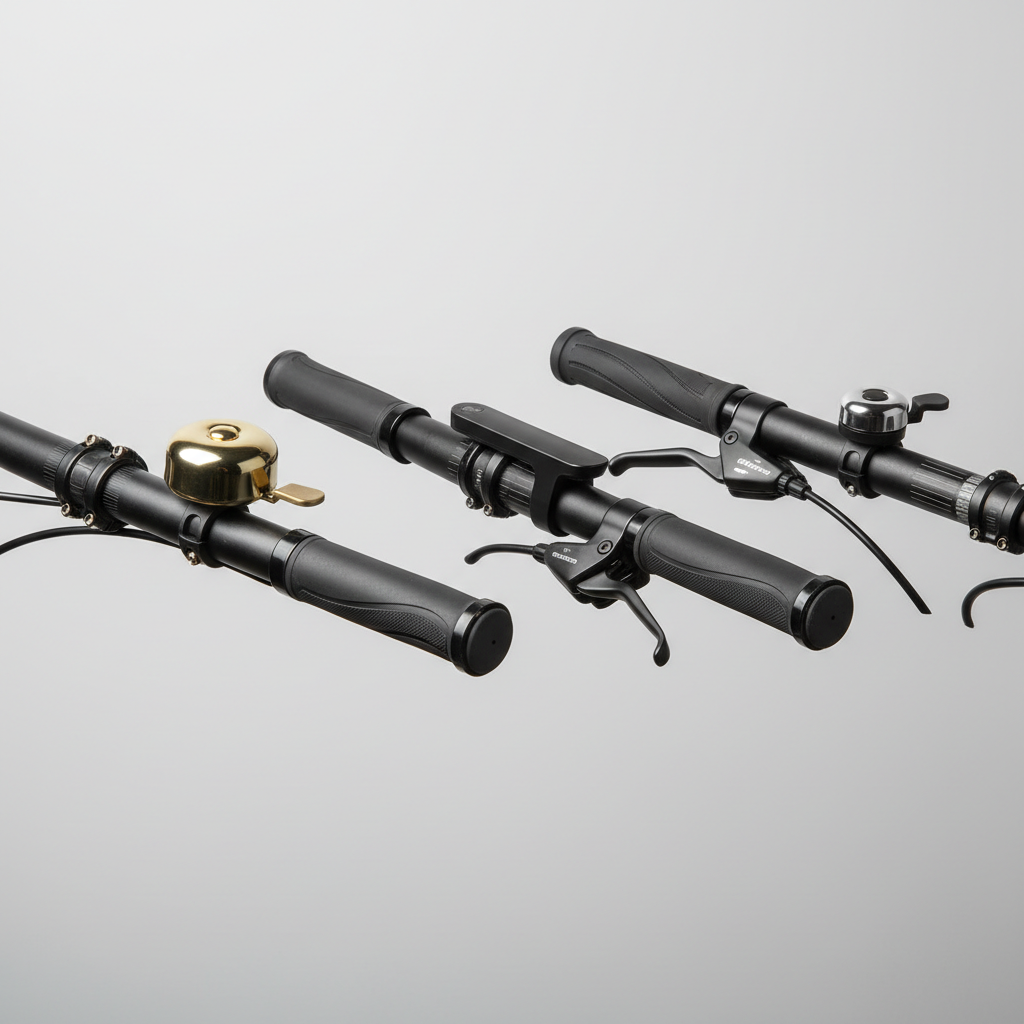
If your priority is “people hear me earlier,” most riders end up happiest with a high-resonance bell that rings clearly with a light tap. If you regularly ride in very crowded areas, the repeated-strike style can work, but it’s worth using it thoughtfully so it doesn’t come off as hostile.
How to choose the best bike bell loud and clear (a practical checklist)
When you’re comparing options online, product photos won’t tell you the tone, and marketing words are usually vague. This checklist keeps you grounded.
Sound and projection
- Clarity over raw volume: Look for descriptions like “bright,” “crisp,” “resonant,” and avoid bells frequently described as “rattly.”
- Repeatability: You should be able to ring twice quickly without misfires.
- Distance behavior: A sustained ring often gives people more time to process and react.
Fit on your bike
- Handlebar diameter compatibility: Most flat bars are 22.2mm at the grip area, but not all setups match. Check before ordering.
- Space constraints: Consider brake levers, shifter pods, lights, phone mounts, and bags.
- Left vs right mounting: Pick a bell you can actuate without crossing hands or compromising braking.
Build and weather tolerance
- Metal dome quality: Thicker, well-finished metal often correlates with cleaner tone.
- Corrosion resistance: If you ride in rain or near the coast, coated metals and stainless hardware tend to hold up better.
- Clamp strength: A bell that rotates on the bar will quietly sabotage you.
Key takeaway: the best bike bell loud and clear usually combines a resonant dome, a precise striker, and a clamp that stays locked even on rough pavement.
Setup matters: make your bell sound louder in 5 minutes
People sometimes replace a bell when the real issue is installation. A small adjustment can make the ring noticeably clearer.
- Mount on a solid bar section: Avoid placing the clamp on foam grips or squishy accessories that absorb vibration.
- Torque evenly: Tighten the clamp so it doesn’t twist when you flick the striker, but avoid stripping small bolts. If you’re unsure, follow the manufacturer guidance.
- Aim for effortless actuation: Position the striker where your thumb naturally rests while covering brakes.
- Clean the mechanism: Road grit can dull the strike. A quick wipe can restore crispness.
- Practice “early + light”: Two light rings from farther back often gets a better reaction than one loud ring up close.
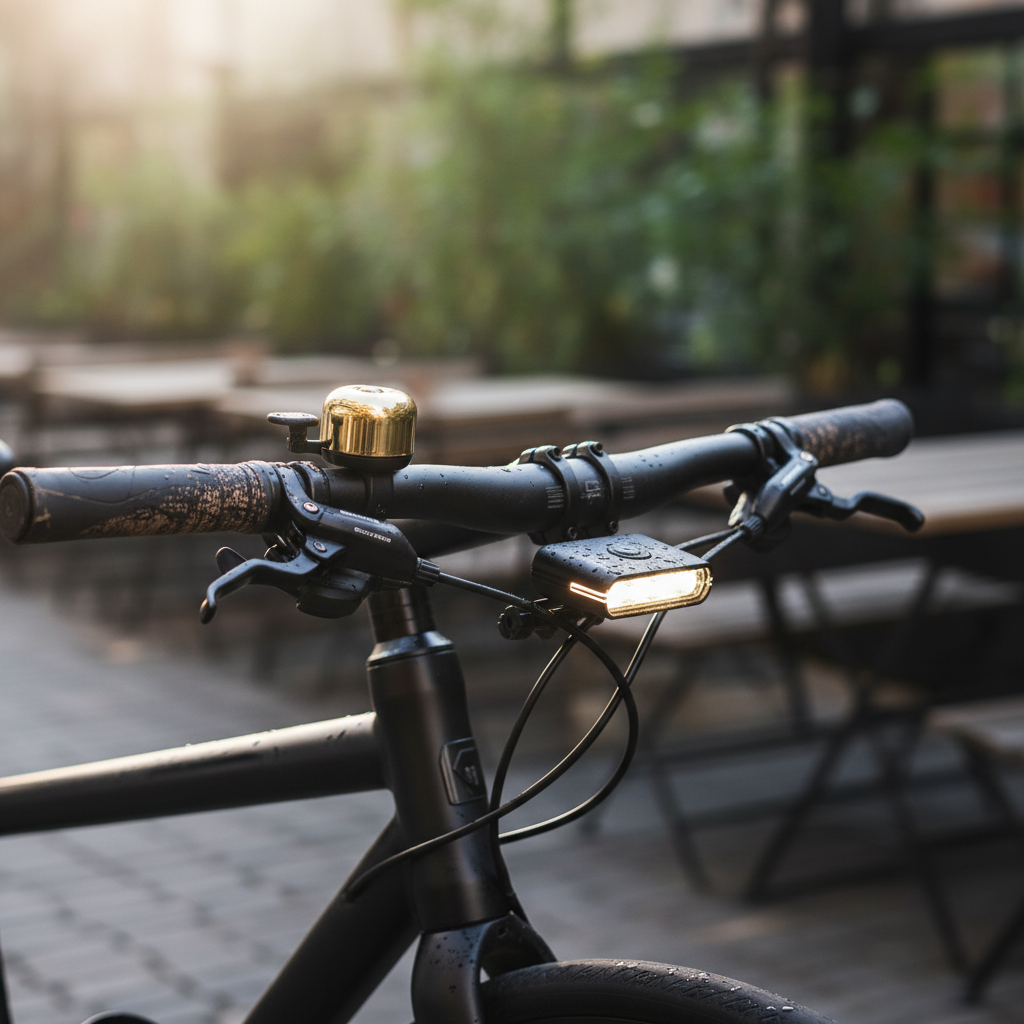
According to the National Highway Traffic Safety Administration (NHTSA), being visible and predictable is a big part of road safety for cyclists. A bell doesn’t replace lights, positioning, or awareness, but it can support predictable communication when used early.
Common mistakes that make even good bells feel “useless”
A bell can be excellent and still fail in the moment because of timing, expectation, or the environment. These are the patterns that show up a lot.
- Ringing too late: If you ring when you’re already close, people often freeze or step unpredictably.
- Assuming everyone hears well: Many path users wear earbuds or have hearing limitations, you may still need to slow and pass with extra margin.
- Overusing the loudest ring: In quiet parks, a harsh bell can irritate people and make them less cooperative next time.
- Mounting where you can’t reach: If you need to shift your grip, you’ll delay the signal and feel unsafe.
- Ignoring mechanical noises: A squeaky brake or rattling basket can mask your bell more than you think.
When a bell isn’t enough (and what to do instead)
If you ride in places with heavy traffic noise, strong winds, or lots of distracted path users, even the best bike bell loud and clear can fall short at times. That’s normal, not user error.
- Use your voice as backup: A calm “On your left” from a safe distance often works better than panic shouting.
- Adjust speed earlier: If the path is tight, slowing down is often the safest “signal.”
- Add visibility tools: Front lights (even daytime flash where legal) can help you get noticed sooner.
- Consider local rules: Some trail systems have recommended passing etiquette. If you’re unsure, check the managing agency’s guidance.
If you find yourself frequently in near-miss situations, it may be worth asking a local bike shop to check cockpit fit, braking feel, and overall control, especially if hand positioning makes it hard to signal comfortably. For hearing-related concerns, consulting a qualified professional may be appropriate.
Conclusion: picking a bell you’ll actually use
A loud, clear bell pays off when it fits your riding environment and your hands, not just when it looks good online. Focus on a crisp tone, a secure clamp, and a striker you can reach without thinking, then spend a few minutes dialing in placement and timing.
If you want one simple next step, pick the bell type that matches your routes, then do a quick install check and practice ringing early on an empty stretch. That combination tends to matter more than chasing tiny differences between models.