
Best Recovery Drinks for Workouts: What Actually Helps
Fitness recovery drinks can be genuinely useful, but only when they match your workout, your sweat loss, and your stomach tolerance. The tricky part is that “recovery” gets used for everything from flavored water to high-calorie shakes, and people end up buying something that solves the wrong problem.
If you leave the gym feeling wiped, crampy, or you wake up sore and sluggish, your drink choice might be part of it. Recovery isn’t just “protein,” and it isn’t just “electrolytes” either, it’s usually a mix of fluids, sodium, carbs, and protein in the right timing.
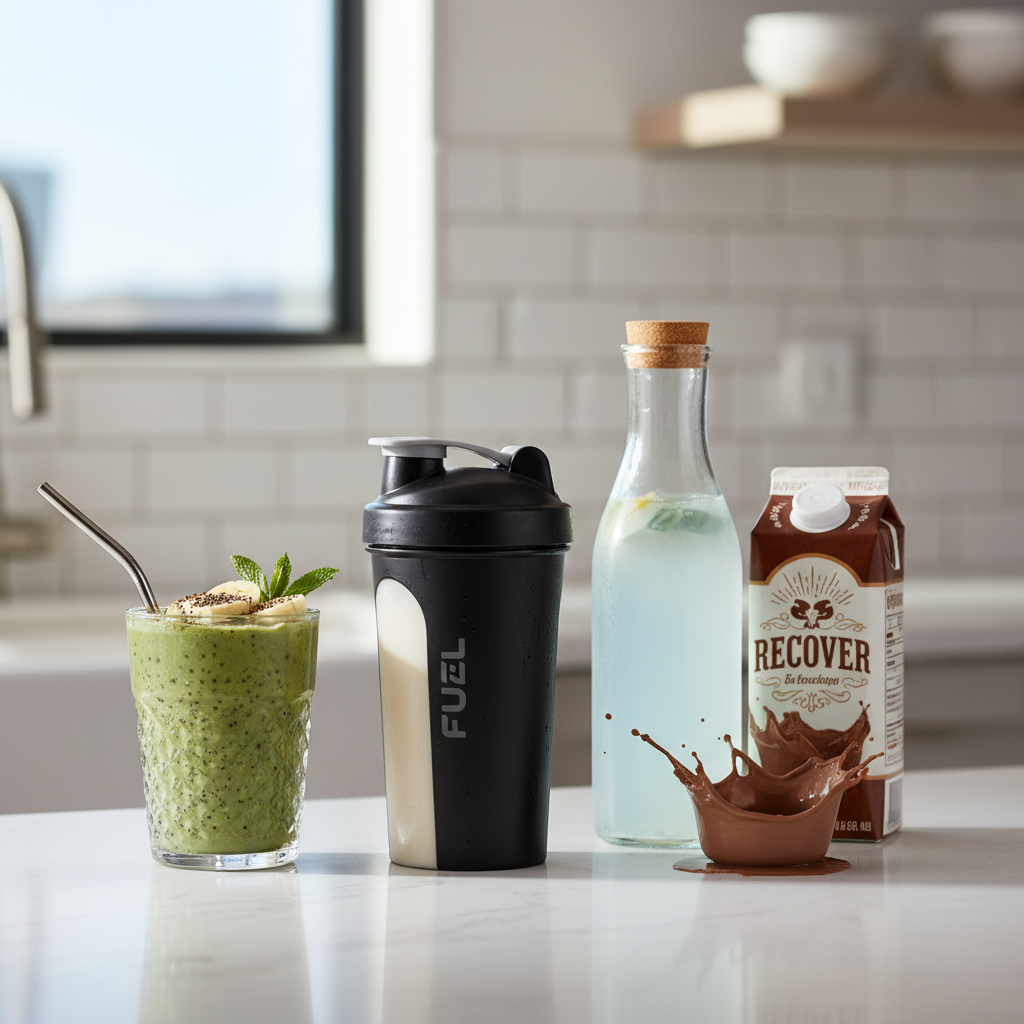
This guide breaks down the best options by scenario: strength training, long cardio, hot-weather sessions, early-morning workouts, and “I can’t eat right after training.” You’ll also get a quick self-check, a practical table, and a few simple recipes you can make at home.
Key takeaways (so you don’t overthink it)
- Hydration comes first: if you trained hard and sweat a lot, a drink with sodium often beats plain water.
- Carbs matter when workouts are long, intense, or you train again within 24 hours.
- Protein helps most after resistance training or when a full meal will be delayed.
- “Best” depends on duration, heat, and how soon you’ll eat, not on marketing claims.
What your body needs after a workout (and why)
Most “recovery” problems come from one of four buckets: you’re under-hydrated, low on sodium, low on carbs, or you missed your protein window because food just didn’t happen. Many fitness recovery drinks focus on only one bucket.
Fluids replace sweat loss. Sodium helps you hold onto the fluid you drink and can reduce that “water just goes right through me” feeling. Carbs refill glycogen, the stored fuel your muscles burn during harder sessions. Protein provides amino acids your body uses for muscle repair.
According to American College of Sports Medicine (ACSM), endurance or heavy sweating sessions often benefit from replacing fluids and electrolytes, and including carbohydrate when exercise is prolonged. That guidance is broad, but the principle is solid: match intake to the work you did.
Quick self-check: which recovery drink category fits you?
Answer these fast, then jump to the options below.
- Was it over 60 minutes of steady cardio or intervals? You likely benefit from carbs + electrolytes.
- Did you sweat heavily (salt stains, drenched shirt, hot studio)? Electrolytes, especially sodium, move up the priority list.
- Was it strength training (moderate to heavy lifting)? Protein becomes more relevant.
- Do you train again soon (same day or early tomorrow)? Carbs + protein together often feel better than protein alone.
- Can you eat a meal within 1–2 hours? If yes, your drink can be simpler.
- Does your stomach get sensitive after training? Lower sweetness, lower fat, and moderate volume usually go down easier.
Best fitness recovery drinks by goal (comparison table)
Use this table as a “good enough” picker. The best choice is the one you’ll actually drink consistently and tolerate.
| Goal / Scenario | What to look for | Good options | When it’s usually enough |
|---|---|---|---|
| Heavy sweat / heat | Water + sodium (electrolytes) | Electrolyte drink, electrolyte tablets, sports drink (diluted if very sweet) | Workouts under ~60–75 min, no back-to-back sessions |
| Long cardio / endurance | Carbs + electrolytes | Sports drink, carb-electrolyte mix, chocolate milk (if tolerated) | When you need energy later the same day |
| Strength training | Protein (20–40 g is common) + some carbs if desired | Whey/plant protein shake, milk, smoothie with protein | If meal is delayed or appetite is low |
| Fat loss / lower calories | Electrolytes with minimal sugar | Zero/low-cal electrolyte mix, water + salty snack | Short, moderate sessions |
| Sensitive stomach | Lower volume, moderate sweetness, lower fat | Diluted sports drink, clear electrolyte drink, lactose-free milk + protein | When nausea hits post-workout |

Top recovery drink options (what they’re good for, what to watch)
1) Water + a salty snack (the underrated baseline)
If your workout was shorter and not brutally hot, plain water plus a normal meal can be plenty. If you sweat a lot, pairing water with something salty can beat chugging water alone.
- Good for: lifting sessions, moderate cardio, budget setups
- Watch for: if you feel lightheaded, crampy, or you’re peeing clear nonstop, you may need more sodium
2) Electrolyte drinks (best when sweat loss is the real issue)
Electrolyte mixes are basically “hydration helpers,” not muscle builders. They shine when the session is hot, long, or you’re a heavy sweater. Look for meaningful sodium content; many products emphasize potassium and forget the main player.
- Good for: hot yoga, summer runs, long rides, high-sweat gym sessions
- Watch for: very low-sodium formulas that taste great but don’t fix the problem
3) Sports drinks (carb + electrolyte combo)
Sports drinks get a bad rap mostly because people drink them during a 30-minute easy workout. Used correctly, they’re practical: carbs support performance and recovery, sodium supports hydration. If you find them too sweet, dilution is a simple fix.
- Good for: intervals, endurance days, two-a-days
- Watch for: unnecessary calories on light days, and stomach upset if you slam it too fast
4) Chocolate milk (simple, effective for many people)
Chocolate milk is a classic because it naturally combines carbs, protein, fluids, and electrolytes. It’s not magic, but it’s convenient and often cheaper than specialty fitness recovery drinks.
- Good for: post-run or post-lift when you want carbs + protein without mixing powders
- Watch for: lactose intolerance, higher sugar than some people want
5) Protein shakes (best when the main gap is protein)
If you lift and won’t eat soon, a protein shake makes sense. Whey is popular for digestibility and amino acid profile, while plant blends can work well when they’re complete and you tolerate them.
- Good for: strength training, busy schedules, appetite is low post-workout
- Watch for: turning every workout into a high-calorie shake by accident
6) Smoothies (flexible, can become a full mini-meal)
Smoothies are where people either nail recovery or overshoot it. If you keep it simple, you can dial carbs and protein to match the day. If you throw in everything, it becomes dessert with a health label.
- Good for: hard training blocks, people who struggle to eat solid food after workouts
- Watch for: calorie creep from nut butters, oils, extra add-ins
Practical timing: what to drink and when
The “anabolic window” talk gets exaggerated online, but timing still matters when you train hard, sweat heavily, or you’ll be active again soon. Think in simple checkpoints, not rigid rules.
- Right after (0–30 min): start fluids, add electrolytes if you sweat a lot; add carbs if the session was long.
- Within 1–2 hours: aim for a real meal if possible, especially after strength training.
- Later in the day: if soreness and fatigue are the issue, look at overall protein, carbs, and sleep rather than chasing another “recovery” product.
According to Academy of Nutrition and Dietetics, post-exercise nutrition is most useful when it supports overall daily needs for energy and protein, and the closer your next session is, the more helpful carbs can be.
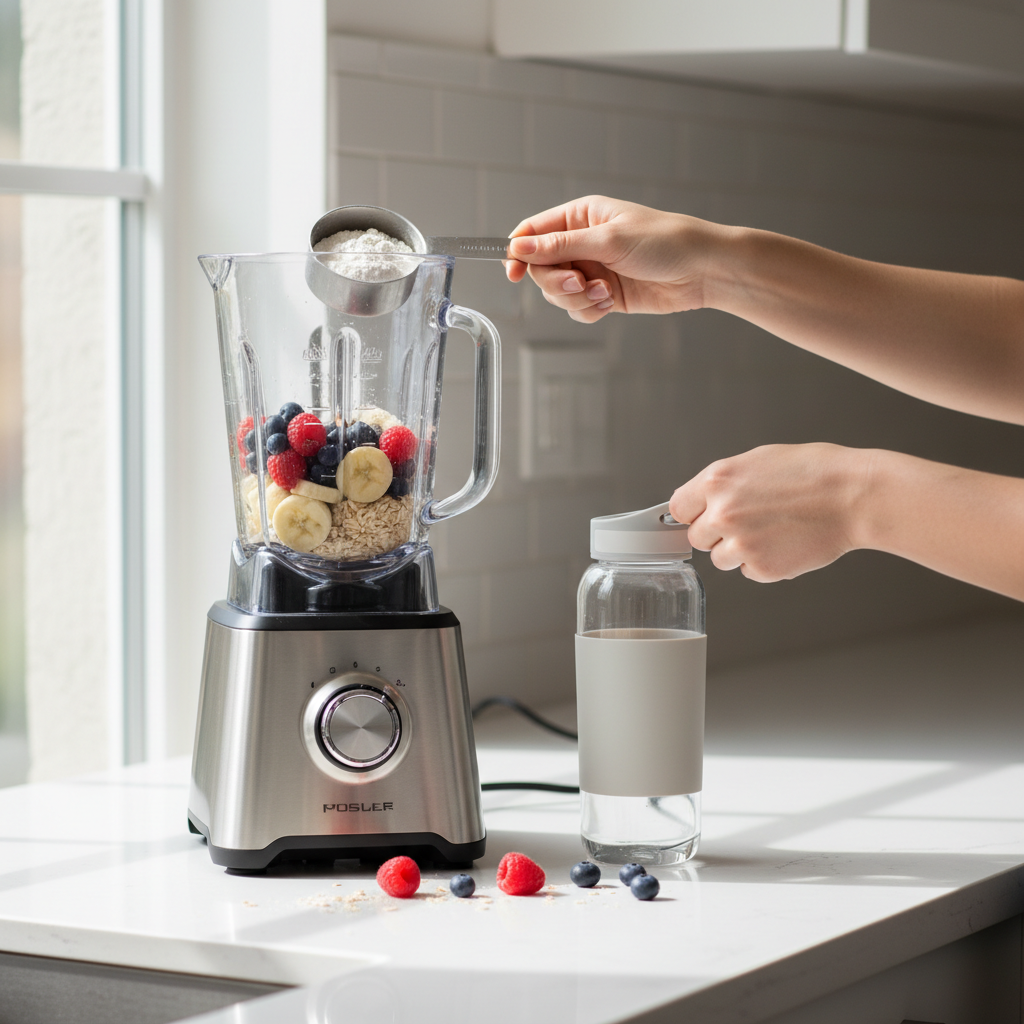
Simple DIY recovery drink recipes (no fancy supplement stack)
Electrolyte-leaning (light, good in heat)
- 16–24 oz water
- Small pinch of salt
- Squeeze of lemon or lime
- Optional: 1–2 tsp sugar or honey if you need quick carbs
This is not identical to commercial formulas, but many people find it “good enough” for moderate sweat sessions.
Carb + protein smoothie (post-lift or long cardio)
- 1 cup milk (or fortified soy milk)
- 1 banana
- 1 scoop protein powder or 3/4 cup Greek yogurt
- Optional: a handful of oats if you trained long and hard
Low-fuss recovery drink when you can’t eat
- 12–16 oz lactose-free chocolate milk or a ready-to-drink protein shake
- Pair with water if you’re still thirsty
Common mistakes (and how to avoid wasting money)
- Using protein when the issue is hydration: if you’re getting headaches, cramps, or dizziness after sweaty sessions, start with fluids and sodium.
- Buying “electrolytes” that barely contain sodium: the label matters more than the buzzword.
- Overdoing sugar on easy days: sports drinks fit best when intensity or duration is high, not as a default beverage.
- Ignoring total daily intake: a perfect post-workout drink can’t fix consistently low protein, poor sleep, or under-eating.
- Chugging too fast: GI upset often comes from volume and speed, not the ingredient list.
When to consider professional guidance
If you regularly feel faint, get frequent cramps, have heart or kidney conditions, or you’re managing high blood pressure, electrolyte strategies can get personal fast, sodium needs vary a lot. In those situations, it’s smart to ask a healthcare professional or a registered dietitian for advice that matches your medical history.
Also, if you’re training for an endurance event or doing two-a-days, a sports dietitian can help you set carb and fluid targets that reduce trial-and-error.
Conclusion: pick the simplest drink that solves your biggest recovery gap
Most people don’t need a complicated shelf of powders. If your workouts are sweaty, prioritize electrolytes. If they’re long or intense, add carbs. If you lift and meals get delayed, add protein. That’s the clean way to choose fitness recovery drinks without getting pulled into hype.
If you want a quick next step, run one week as an experiment: keep your workouts the same, but match your drink to the session type, then note energy, soreness, and bathroom trips. The pattern usually shows up fast.
FAQ
What are the best fitness recovery drinks after lifting?
For lifting, a protein-forward drink often makes sense, especially if you won’t eat for a while. Many people do well with a whey or plant protein shake, and adding some carbs can help if the session was high-volume or you’re training again soon.
Do I need electrolytes after every workout?
Usually not. Electrolytes are most helpful when you sweat a lot, train in heat, or exercise for a long time. For short, easy sessions, water and your normal meals often cover it.
Is a sports drink better than water for recovery?
It depends on what you did. Sports drinks can be helpful after long or intense sessions because they include carbs and sodium. For lighter training, they can add calories without much benefit.
Can I drink a protein shake instead of eating after a workout?
You can, especially when appetite is low or timing is tight. Still, a real meal later helps cover micronutrients and total energy needs, which is where recovery often succeeds or fails.
What should I drink after running in hot weather?
Many runners benefit from fluids plus sodium, and sometimes carbs if the run is long or includes speed work. If you notice salt stains or you keep feeling thirsty after water, an electrolyte drink may be worth trying.
Are “zero sugar” electrolyte drinks effective?
They can be, particularly for hydration-focused recovery. If you also need carbs for glycogen replenishment, you might pair a zero-sugar electrolyte with food, or choose a carb-electrolyte option on harder days.
How do I know if I’m under-recovering because of nutrition?
If soreness lingers unusually long, energy drops across multiple sessions, and sleep is decent but you still feel flat, nutrition can be part of it. It’s still worth checking training load and stress too, because recovery is rarely one single lever.
If you want a simpler setup
If you’re trying to dial in recovery without turning it into a second job, start by picking one option for “sweaty days” and one for “lift days,” then keep everything else consistent for two weeks. That approach often beats chasing a new product every time you feel tired.