
Water Bottle leaks are one of those small annoyances that turn into a big mess fast, especially when it soaks a gym bag, ruins a laptop sleeve, or makes you stop mid-workout to wipe everything down.
The good news is that “leakproof” is achievable, but only if you know what to look for, because labels alone can be vague and real life is rougher than a quick factory test. Running, cycling, team sports, and hiking all stress a bottle in different ways.
This guide breaks down why bottles leak, how to quickly tell if a design is actually dependable, and which features matter most for sports use, so you can buy once and stop thinking about it.
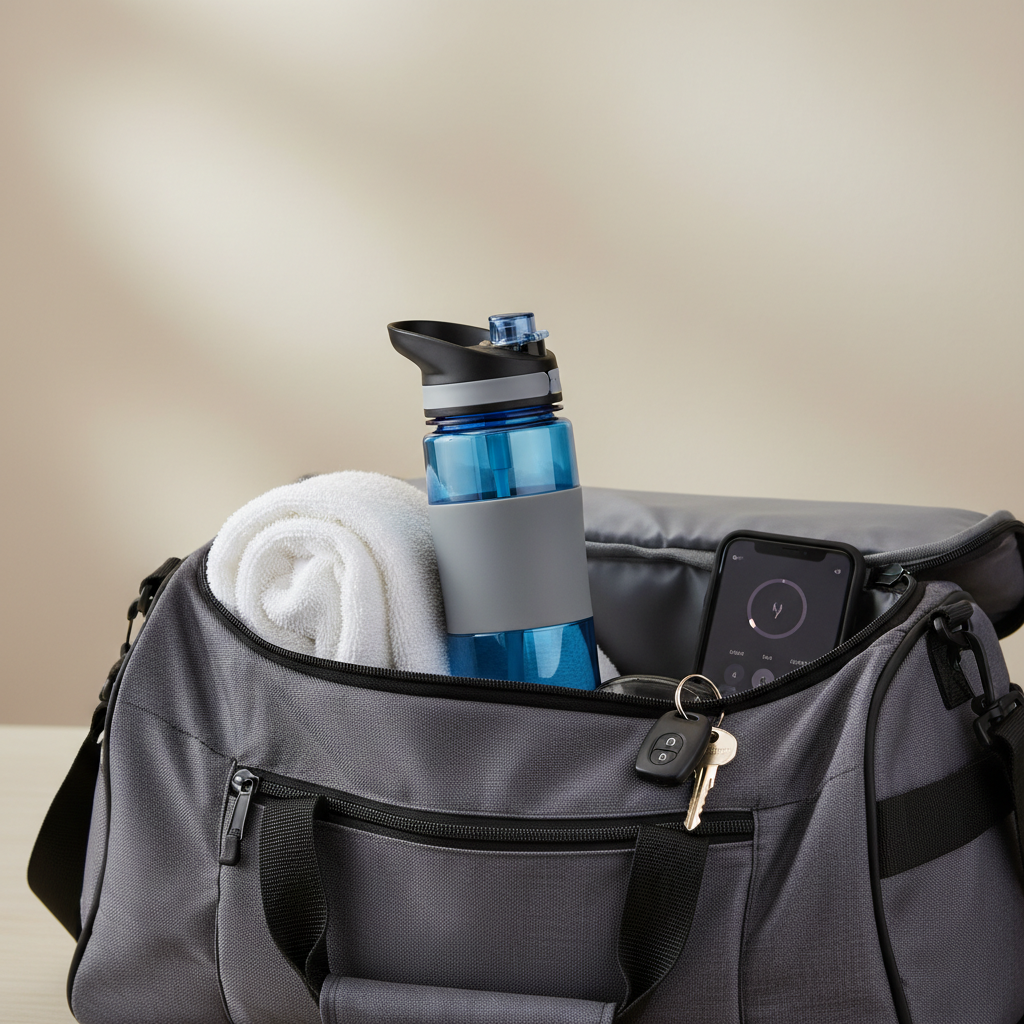
Why “Leakproof” Bottles Still Leak in Real Life
Most leaks come from a few predictable failure points, and once you recognize them, shopping gets easier.
- Seal mismatch: the gasket (rubber ring) sits slightly twisted, dries out, or doesn’t match the cap threading, so tiny gaps show up under movement.
- Pressure changes: squeezing, altitude shifts, or a hot car can push liquid toward the cap, exposing weak seals.
- Cap design shortcuts: flip tops and spouts are convenient, but more moving parts mean more places to fail if tolerances aren’t tight.
- Cross-threading: wide-mouth bottles are easy to fill, but the cap can start crooked when you close it quickly after a set.
- Wear and grit: sand, chalk, or sugar residue can keep the lid from fully seating, especially around spouts.
According to U.S. Consumer Product Safety Commission (CPSC), consumers should use products as intended and stop using items that show damage or malfunction, which applies here too: a cracked cap or worn gasket is a “replace the part” moment, not a “tighten harder” moment.
A Quick Self-Check: What Kind of “Leak” Are You Actually Dealing With?
Before you blame the whole bottle, it helps to narrow the symptom, because the fix might be simple.
- Slow seep around the lid: usually a gasket issue, residue, or cap not fully seated.
- Drip from the spout: often a bite valve or flip mechanism not closing cleanly.
- Only leaks when horizontal: the seal might be “splash-resistant” but not designed for side storage.
- Only leaks in your car: heat expansion can expose weak seals, especially in bottles with soft bodies.
- Only leaks with carbonated drinks: pressure builds fast and can overwhelm sports lids.
If your bottle passes when upright but fails on its side, you’re not “doing it wrong,” you just need a cap engineered for full inversion, which is what most people mean by leakproof in sports.
Features That Matter Most in a Leakproof Water Bottle for Sports
Here’s the short version: strong threads, a reliable gasket, and a closure you can trust with one distracted hand after a workout.
1) A real gasket (not just “tight plastic on plastic”)
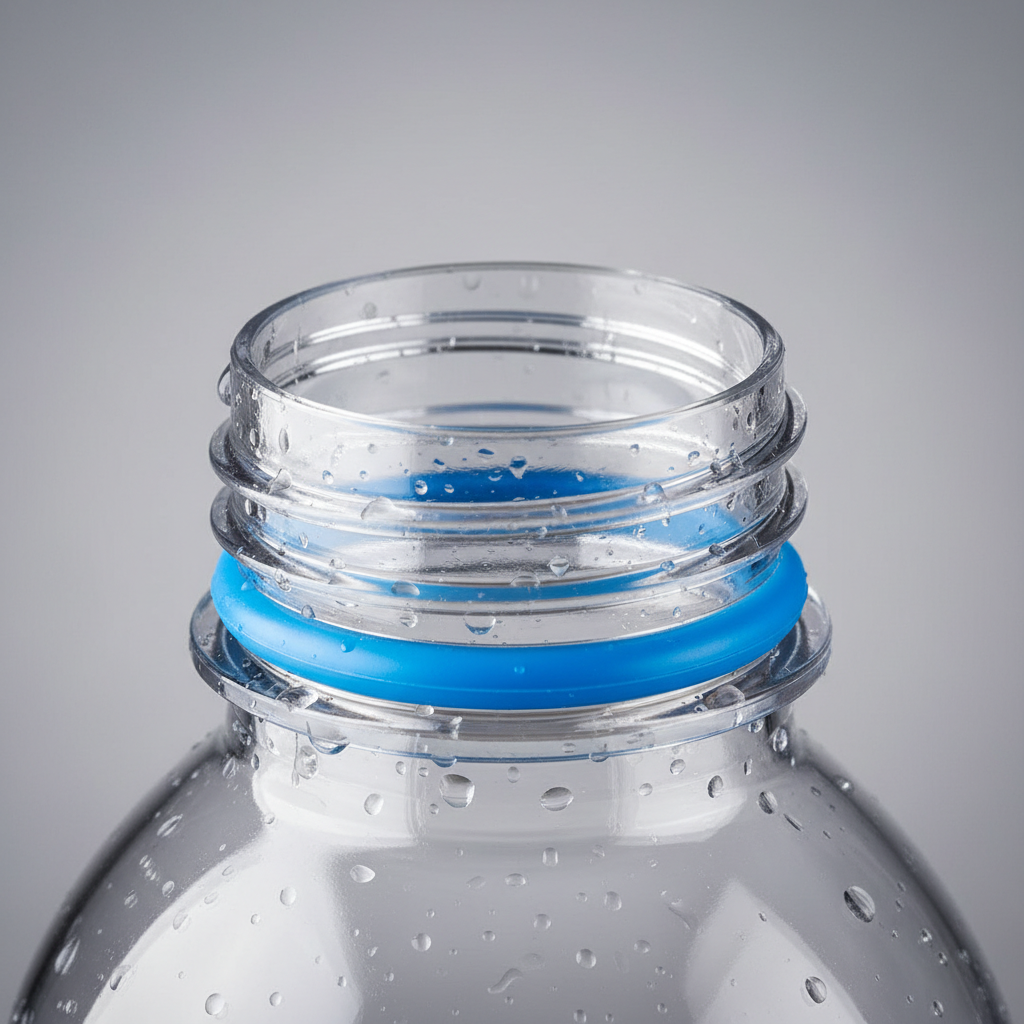
Look for a visible silicone O-ring or flat gasket that sits in a groove. If it’s removable, that’s often a good thing because you can clean it and replace it.
2) A closure that locks
For sports, a lock is less about security and more about preventing accidental opening when the bottle bounces in a bag. A sliding lock or push-button lock tends to be more dependable than a loose flip tab.
3) Thread quality and cap depth
Deep, smooth threads reduce cross-threading. Shallow threads can feel “tight” but still leave a micro-gap under pressure.
4) One-handed drinking without a fragile spout
Many people want one-hand access for running or lifting, but the tradeoff is complexity. If you choose a straw lid or flip lid, prioritize designs with fewer joints and a firm snap closure.
5) Material choices that fit your routine
- Stainless steel: great for durability and insulation, but check that the lid system is equally robust.
- Tritan-style plastic: lighter and often cheaper, can be very leak-resistant when the cap is well-made.
- Soft squeeze bottles: convenient for quick sips, but more likely to weep if the valve is mediocre or if the body gets compressed in a bag.
According to FDA guidance on food contact materials, using containers intended for beverages and maintaining cleanliness helps reduce contamination risk, which is another reason to pick a lid that you can actually disassemble and wash.
Which Type of Sports Water Bottle Fits Your Sport? (Comparison Table)
Not every athlete needs the same cap. Use this as a practical shortcut.
| Sport / Use | Best Bottle Style | Why It Works | Watch Outs |
|---|---|---|---|
| Gym / lifting | Locking flip-top or screw cap | Fast access, good bag safety | Flip spouts need frequent cleaning |
| Running | Lightweight bottle with secure lock | One-handed use, less bounce risk | Straw lids can leak if not locked |
| Cycling | Squeeze bottle (quality valve) | Quick hydration without stopping | Bag carry can trigger valve seep |
| Hiking / travel | Screw cap + gasket, durable body | Most reliable for inverted storage | Slower to drink while moving |
| Team sports | Easy-to-clean wide mouth + sealed lid | Refill fast, share less mess | Cross-threading when rushed |
How to Test a “Leakproof” Water Bottle at Home (Before You Trust It)
This takes two minutes and saves you the “why is my bag wet” surprise. Do these tests with water first, not sports drink.
- Inversion test: fill 3/4, close normally, invert over a sink for 10 seconds.
- Shake test: shake hard like it’s in a backpack, then check around the cap seam and spout.
- Side-rest test: lay it on a paper towel for 5–10 minutes.
- Heat reality check: leave it in a warm room (not direct sun) and re-test, because expansion can reveal weak seals.
If any moisture shows up, don’t assume the whole product is bad. Reseat the gasket, clean the threads, and try again. If it still leaks, that’s typically a design limitation, not user error.
Practical Buying Checklist (What to Look for in Product Listings)
Online listings can be noisy, so focus on cues that correlate with real leak resistance.
- Mentions a gasket/O-ring and shows it in photos
- Locking mechanism if it’s a flip or button lid
- Spare seals available or replacement lids sold separately
- Clear cleaning instructions, ideally dishwasher-safe parts where appropriate
- Cap compatibility across sizes, helpful if you own more than one bottle
One more reality check: “leakproof” claims often assume the lid is fully closed and clean. If you routinely toss bottles into a bag with chalk, sand, or sticky pre-workout, a simpler screw cap usually wins.
Common Mistakes That Cause Leaks (Even With a Good Bottle)
A lot of returns happen because of small habits that would trip up almost any bottle.
- Closing too fast and cross-threading the cap, especially after refills
- Ignoring sugary buildup around spouts and hinges, which prevents full closure
- Over-tightening until the gasket warps, then it leaks later
- Using carbonation in lids not designed for pressure
- Assuming “dishwasher-safe” means “every part, every cycle”; heat can shorten gasket life depending on materials
If your routine includes electrolyte mixes, cleaning matters more than people think. A quick rinse is not always enough for spouts and straws, and lingering residue can also affect smell.
When It Makes Sense to Get Expert Help or Replace Parts
If a bottle leaks occasionally, troubleshooting is fine. If it leaks consistently, replacement is usually the sane path.
- Replace the gasket if it looks flattened, cracked, or stretched, many brands sell them cheaply.
- Replace the lid if hinges wobble or locks don’t engage, forcing it shut rarely fixes it.
- Contact the manufacturer if you suspect a defect, especially if the product is new.
If you notice mold you can’t fully remove from internal straw parts, it’s a good moment to consult the brand’s care guidance or a cleaning professional you trust, because health risks vary by situation and sensitivity.
Key Takeaways + Conclusion
A leakproof sports bottle is less about the buzzword and more about the boring parts: gasket quality, cap alignment, and a closure that stays shut when it gets tossed around.
- For bag carry, a gasketed screw cap or a locking flip lid tends to be the safest bet.
- For fast sipping, choose convenience lids only if they lock and are easy to disassemble.
- Test it at home before trusting it near electronics or a clean change of clothes.
If you want one simple next step, do the inversion and side-rest tests with your current bottle today, then decide whether you need a new lid, a new seal, or a new design entirely.
FAQ
What does “leakproof” mean for a sports water bottle?
In practice, it usually means the bottle can be stored sideways or briefly inverted without dripping, as long as the lid is fully closed and the seal is clean. Some products are closer to “splash-resistant,” so checking for a gasket and a lock helps.
Is a straw lid or a screw cap more leakproof?
A screw cap with a gasket is often more reliable for bags because there are fewer moving parts. Straw lids can work well, but they depend on precise seals and a strong lock, and they need more frequent cleaning.
Why does my bottle leak only when it’s in my backpack?
Backpacks add pressure and movement, which can push water toward the cap and flex the bottle body. If the bottle seals fine on a table but leaks in a bag, you likely need a lid that locks or a sturdier seal system.
Can hot liquids cause leaks?
They can, because heat changes internal pressure and may soften some materials. If you use hot drinks, check that the bottle is rated for temperature use, and be cautious around steam and burn risks.
Do insulated stainless steel bottles leak less than plastic?
Not automatically. Insulation helps temperature control, but leak resistance comes mostly from the lid design and gasket. Plenty of plastic bottles seal perfectly, and plenty of steel bottles leak if the cap is mediocre.
How often should I replace the gasket or lid?
There isn’t one schedule that fits everyone. If you see deformation, cracking, or recurring leaks after cleaning, replacement makes sense; heavy daily use and dishwasher cycles can shorten gasket life.
Is it safe to use sports drinks in a leakproof bottle?
Usually yes if the bottle is intended for beverages, but residue can build up fast in spouts and straws. If you’re sensitive to odors or have health concerns, consider simpler lids and follow the brand’s cleaning guidance, and consult a professional if you’re unsure.
If you’re currently stuck between a few options and want a more “set it and forget it” choice, prioritize a Water Bottle with a visible gasket, a locking closure, and replacement parts availability, those three features tend to save the most frustration over time.