
Heart Rate Training is one of the simplest ways to stop guessing during workouts, but it can also feel oddly confusing once you start seeing “zones,” percentages, and wildly different numbers across apps.
If you’ve ever finished a run thinking it was “easy” only to see your heart rate spike, or you’ve tried a zone plan and felt like you were either crawling or redlining, you’re not alone. Most people don’t need more motivation, they need clearer ranges and a realistic way to apply them.
This guide breaks down what training zones mean, how to estimate your zones without getting lost in formulas, and how to use them for real-world goals like fat loss, endurance, or faster 5Ks, while staying sensible about safety and individual differences.

Why heart rate zones work (and when they don’t)
Zones work because heart rate is a practical proxy for effort, especially for steady activities like running, cycling, rowing, hiking, and brisk walking. When pace or power varies due to heat, hills, stress, or poor sleep, your heart rate often reveals that change faster than your ego does.
That said, heart rate is not a perfect “engine gauge.” It can drift upward during long sessions even if effort stays steady, and it can be artificially high with caffeine, dehydration, anxiety, or illness. According to American Heart Association, heart rate response varies by age, fitness, medications, and health status, so any zone chart should be treated as a starting point, not a verdict.
- Best use cases: easy aerobic days, long endurance sessions, recovery workouts, base-building blocks.
- Trickier use cases: short sprints, heavy lifting, high-stress days, hot/humid conditions, irregular heart rhythms, some medications (especially beta blockers).
Understanding the 5 classic training zones (plain English)
Different platforms label zones slightly differently, but the idea is consistent: lower zones build aerobic capacity and durability, higher zones develop speed and top-end conditioning. A typical 5-zone model looks like this.
Heart rate training zones overview
| Zone | Effort feel | Talk test | Common purpose |
|---|---|---|---|
| Zone 1 | Very easy | Full sentences | Warm-up, recovery, circulation |
| Zone 2 | Easy, steady | Can talk, slightly breathy | Aerobic base, endurance, fat oxidation support |
| Zone 3 | Moderate | Short phrases | Tempo building, “comfortably hard” work |
| Zone 4 | Hard | 1–3 words | Threshold, race pace development |
| Zone 5 | Very hard | Mostly no talking | VO2 max, speed, short intervals |
A practical way to keep this grounded: if your “Zone 2” requires constant willpower and you can’t speak in a full sentence, it’s probably not Zone 2 for you that day, even if your watch says it is.
How to find your zones: 3 methods (from easiest to most accurate)
Most people start with an estimate and refine later. That’s fine. The bigger mistake is treating your first estimate as sacred and forcing every workout to match it.
Method 1: Age-based max heart rate estimate
This is the common “220 minus age” style approach. It’s quick, and it’s also blunt. Many healthy adults can be 10–20 beats off either direction and still be normal.
- Use it if: you’re brand new and want a rough guardrail.
- Avoid over-precision: round, don’t obsess.
Method 2: Field-tested max heart rate (with caution)
A hard effort test can get closer to your true maximum, but it’s not appropriate for everyone. If you have cardiovascular concerns, unusual symptoms, or you’re returning after a long break, it’s smarter to talk with a clinician or qualified coach before attempting max tests.
Many athletes do this via a ramp-up run or bike session with a final all-out push, ideally in safe conditions and not alone. You’re looking for the highest sustained number you can hit in a controlled test, not a random spike.
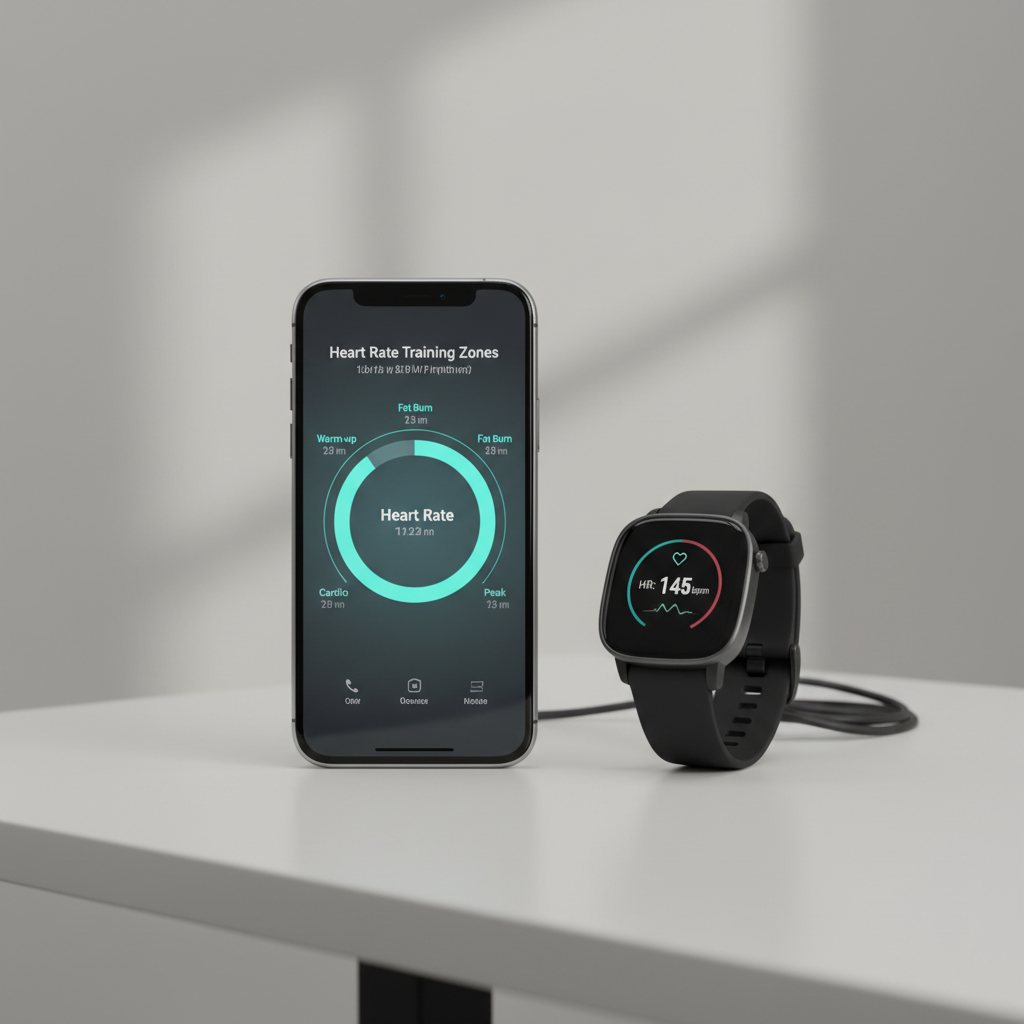
Method 3: Lactate threshold-based zones (often the most usable)
For endurance training, threshold-based zones usually “feel” more accurate than max-based zones because they anchor to a sustainable hard effort. Some watches estimate threshold from workouts, and lab testing can be even more precise.
According to American College of Sports Medicine (ACSM), using multiple markers of intensity (heart rate, perceived exertion, and talk test) improves safety and practical decision-making. In real training, that combination often beats any single formula.
A quick self-check: are your zones set wrong?
Before you overhaul anything, look for patterns. A single weird day doesn’t mean your device is broken or your fitness collapsed.
- Your “easy” runs feel hard every time, and you can’t hold a conversation even at slow pace.
- Zone 2 seems impossibly low, forcing you to walk on flat ground despite decent fitness.
- Heart rate jumps early even in warm-ups, especially in heat or after caffeine.
- Big mismatch between devices (wrist vs chest strap) during intervals.
- You improved, but zones never change, and workouts feel too easy or too hard across the board.
If two or more show up consistently, your heart rate training setup probably needs a reset: better measurement, better zone method, or better expectations about day-to-day variability.
How to use heart rate training for common goals
This is where most plans go off the rails: people try to do every session “in the perfect zone” instead of building a week that makes sense. Your goal decides your emphasis.
Goal: build endurance without feeling wrecked
- Keep most sessions truly easy, usually in Zone 1–2.
- Add one “moderate” day (often Zone 3) if recovery stays good.
- Long session stays controlled, even if pace feels slower than expected.
Goal: get faster at 5K/10K
- Maintain easy volume in lower zones so you can absorb harder work.
- Do 1 quality session weekly in Zone 4 (threshold/tempo style) for several minutes at a time.
- Add short bursts near Zone 5 on a separate day or as strides, keeping total time small.
Goal: fat loss and better metabolic health
Heart Rate Training can support consistency by keeping many workouts sustainable. Zone 2 often helps people accumulate more total weekly movement without burning out, but nutrition, sleep, and total activity matter more than chasing a specific “fat-burning” number.
- Prioritize steady sessions you’ll repeat for months, not weeks.
- Mix low-intensity work with occasional higher-intensity intervals if recovery allows.
- If you feel chronically drained, scale down intensity before scaling up volume.
Practical weekly structure (simple templates you can actually follow)
Instead of micromanaging every minute, start with a weekly rhythm. Many recreational athletes do well with an “easy-heavy” week and a small amount of intensity.
3-days/week template
- Day 1: Easy (Zone 1–2), 30–60 min
- Day 2: Quality (Zone 3–4 intervals), 30–50 min total
- Day 3: Longer easy (mostly Zone 2), 45–90 min
5-days/week template
- 2–3 days: Easy base (Zone 1–2)
- 1 day: Threshold/tempo focus (Zone 3–4)
- 1 day: Short interval or hill session (brief Zone 5 efforts)
- 1 day: Long easy session (mostly Zone 2)
Key takeaway: if you’re adding intensity, protect the easy days. That’s where many people unintentionally “train moderate” all week and stall.

Common mistakes and safety notes (what derails progress fast)
Most “zone failures” aren’t about discipline, they’re about inputs. Measurement and context matter more than people expect.
- Using wrist HR for intervals: optical sensors can lag. If precision matters, a chest strap often reads better.
- Ignoring cardiac drift: during long sessions, heart rate may rise even at the same pace. Adjust effort, hydration, or cooling.
- Training by zones when sick or sleep-deprived: heart rate can run high. An “easy” day might need to be easier.
- Chasing Zone 2 at all costs: terrain and heat can force walk breaks, which is normal, not failure.
- Overdoing high zones: frequent Zone 4–5 work can backfire without recovery and a base.
If you notice chest pain, dizziness, fainting, unusual shortness of breath, or palpitations during exercise, it’s wise to stop and seek medical advice. This article is educational, not a medical diagnosis.
Conclusion: make zones serve you, not the other way around
Heart Rate Training works best when you treat zones as guardrails that guide pacing, recovery, and weekly balance, not as a score you have to “win.” Start with a reasonable estimate, validate with how the effort feels, then refine as your fitness and data improve.
If you want one action step today, pick one easy session this week and keep it truly conversational from start to finish, then compare how you recover the next day. That single change often makes the rest of your training click.
FAQ
What is the best heart rate zone for fat loss?
Many people use Zone 2 because it’s sustainable and helps you accumulate more weekly work. The “best” zone still depends on your schedule, recovery, and nutrition, and higher-intensity work can also support fat loss when used carefully.
Why is my heart rate so high on easy runs?
Heat, dehydration, stress, poor sleep, caffeine, and a too-fast start are common reasons. It can also be a sign your easy pace is not as easy as it feels, so using the talk test plus heart rate usually helps.
Should I use a chest strap for heart rate training?
If you mainly do steady runs or rides, wrist sensors are often “good enough.” If you do intervals, tempo changes, or you see jumpy readings, a chest strap tends to be more consistent.
How often should I train in Zone 5?
For many recreational athletes, small doses once per week or even once every two weeks can be plenty, especially when you’re also building volume. Too much high-intensity work is a common reason people plateau or feel run-down.
Why do my zones differ between apps and devices?
Some use max heart rate, others use threshold heart rate, and some apply proprietary smoothing. Pick one primary method, stick with it for a few weeks, then adjust based on consistent patterns rather than day-to-day noise.
Is Zone 2 training enough to get faster?
Zone 2 builds the base that makes harder training more effective, but speed usually improves faster when you add some Zone 3–5 work in small, recoverable amounts. The right mix depends on your goal event and training history.
Can medications affect heart rate zones?
Yes. Some medications can blunt or alter heart rate response, which makes standard zone formulas less reliable. If this applies to you, it’s smart to use perceived exertion and talk test more heavily and consult a medical professional for individualized guidance.
If you’re trying to set up zones across a smartwatch, treadmill, bike, and training app without conflicting numbers, a simple review of your current device settings and a plan for recalibration can save a lot of frustration, especially if you prefer an approach that’s practical rather than overly technical.