
Training Jersey shopping gets confusing fast when every product claims to be “lightweight” and “breathable,” yet you still end up sweaty, sticky, or restricted mid-session.
If you play multiple sports, train in changing weather, or just want one top that works for lifting, runs, and pick-up games, the details matter more than the logo. Fabric weight, knit structure, vents, seams, and even the cut can decide whether a jersey feels invisible or feels like a wet towel.
This guide breaks down what actually makes a light training jersey work across sports, how to pick the right fit, and what to avoid so you do not pay twice. You will also get a quick checklist and a comparison table you can screenshot before buying.
What “Light” Really Means in a Training Jersey
“Lightweight” can mean low fabric weight, but in real training it usually means a combo of low drag, quick drying, and low cling. Two jerseys can weigh the same and still feel totally different once you sweat.
Here is what tends to drive that “barely-there” feel:
- Knit structure: Open knits and micro-mesh move air better than dense interlocks.
- Moisture management: Wicking finishes and yarn blends help sweat spread and evaporate faster.
- Surface feel: A slick face can reduce friction under straps or during contact, while a softer inner face can feel better on skin.
- Patterning: Underarm gussets and smart seam placement prevent the “armpit bind” that makes a shirt feel heavy.
According to American Academy of Dermatology (AAD), breathable, moisture-wicking clothing can help reduce sweat staying on skin, which may lower irritation risk for some people during exercise. If you deal with rashes or chafing often, fabric choice is not just comfort, it can be skin management.
Why Some Jerseys Feel Hot, Sticky, or Restrictive
Most complaints come down to a mismatch between the jersey design and your session. A light training top for a short lift can feel terrible on a long run, and a run-first tee can feel flimsy in a contact drill.
Common causes:
- Too much stretch in the wrong direction: Great for yoga, sometimes annoying for sprinting or cuts because the hem rides up.
- Wrong sleeve length: Longer sleeves can trap heat and rub the bicep during repetitive motion.
- Seams where you carry gear: Backpack straps, bibs, or pads can chew up raised seams.
- Fabric that “wets out”: Some materials absorb and hold moisture, then feel heavier over time.

Also, “light” can backfire if the fabric is too thin for your sport. In basketball or soccer, ultra-thin tees can cling and twist after contact, while a slightly sturdier jersey knit stays in place.
Quick Self-Check: Which Training Jersey Do You Actually Need?
Before you buy, answer these quickly. This tends to narrow choices better than browsing by brand.
- Where do you train most? Indoor gym, outdoor heat, cold mornings, mixed.
- How long do you sweat? Under 45 minutes, 60–90 minutes, two-a-days.
- How much contact? None, light, frequent contact or pads.
- Biggest comfort problem? Overheating, cling, chafe, shoulder restriction.
- What do you wear over it? Vest, backpack, pads, hoodie, nothing.
If you train across sports, prioritize breathability + seam comfort first, then durability. A jersey that feels amazing but pills or snags easily usually ends up “special occasion” gear, not your daily go-to.
Key Features to Look For (and What They Solve)
Here are features that usually translate into real benefits, not just marketing copy.
Breathable zones and ventilation
Mesh panels under arms or across the upper back can help dump heat. This matters most for running, HIIT, and field sports where your core temp spikes.
Anti-chafe construction
Flatlock seams, bonded hems, and smooth thread reduce rubbing. If you get nipple rub on long runs or strap chafe from a training pack, this is a big deal.
Fit that matches your movement
- Athletic fit works well for lifting and speed work, less flapping.
- Relaxed fit feels cooler and can hide sweat better, but may snag in contact.
- Raglan sleeves often feel freer at the shoulder for pressing and throwing.
Fabric behavior when wet
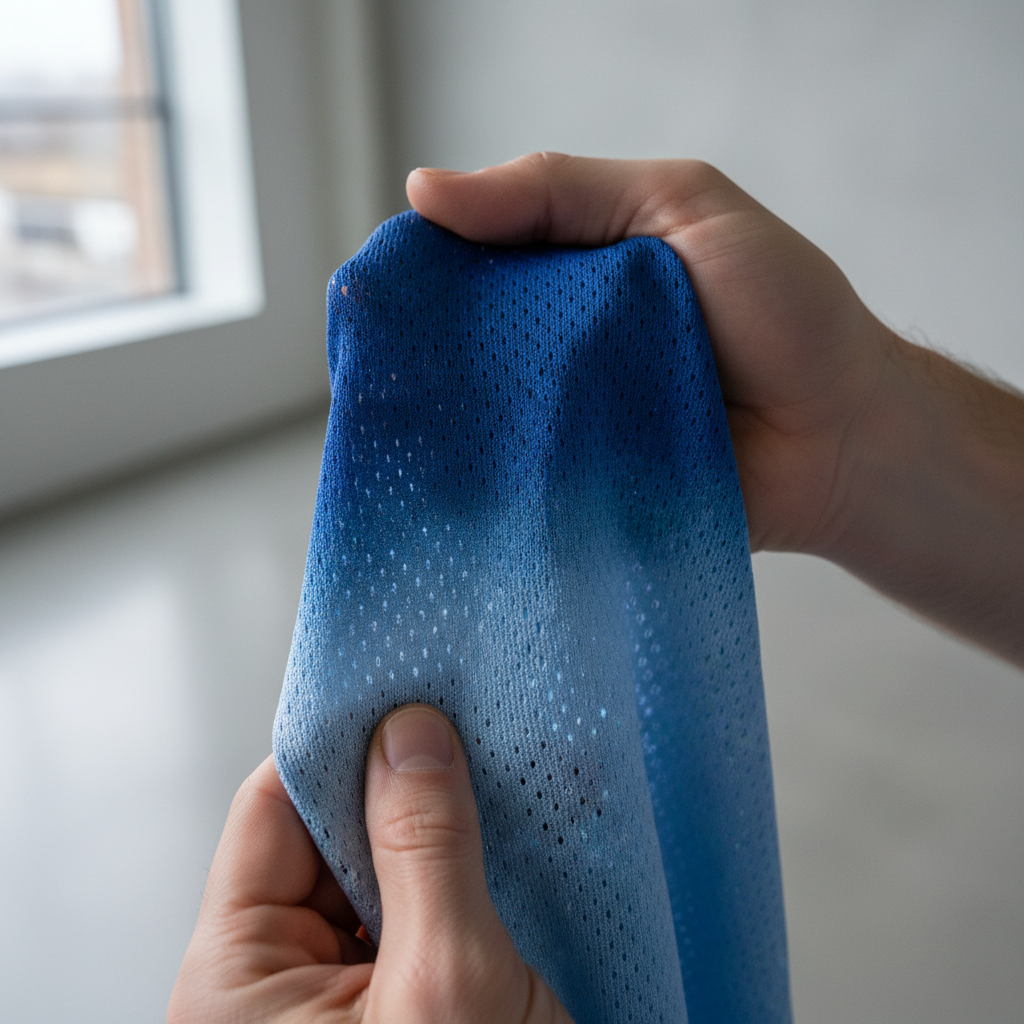
A good training jersey still moves well when soaked. A simple test in-store: pinch the fabric, stretch lightly, then release. If it stays “grabby” on your fingers, it may cling when you sweat.
Comparison Table: Choosing a Light Training Jersey by Sport
Use this as a practical filter. You can still mix and match, but it points you toward the safer default.
| Sport/Use | Best-fit priorities | Helpful features | Watch-outs |
|---|---|---|---|
| Running | Quick dry, low chafe | Flat seams, reflective details, lighter knit | Too thin can turn transparent when wet |
| Gym / Lifting | Shoulder mobility, durability | Raglan sleeves, sturdier blend | Boxy cuts can bunch under a bar |
| Basketball | Airflow, range of motion | Mesh zones, slightly longer hem | Overly loose tops can snag and twist |
| Soccer / Field | Breathability, stay-put fit | Stretch panels, abrasion-resistant knit | Seams under straps or pinnies may rub |
| Cross-training / HIIT | Balanced: dry fast + tough | Vent panels, odor control finish | Heavy fabrics feel “sauna” mid-set |
Practical Buying Tips (Online and In-Store)
Product pages rarely tell you what you want to know, so you need small “tells.” These tips work well in many cases, even across brands.
- Check fabric composition: Polyester blends often dry faster; a little elastane can help mobility but may hold odor more for some people.
- Look for knit cues: Words like “mesh,” “pique,” or “open-hole” usually signal more airflow than “interlock.”
- Read reviews for specific complaints: Search within reviews for “cling,” “see through,” “pilling,” “itch,” and “neck.” Those terms reveal comfort issues fast.
- Mind the collar: A tight crew can feel hot; a looser collar can stretch out. If you hate fussing with your neckline, prioritize a stable collar band.
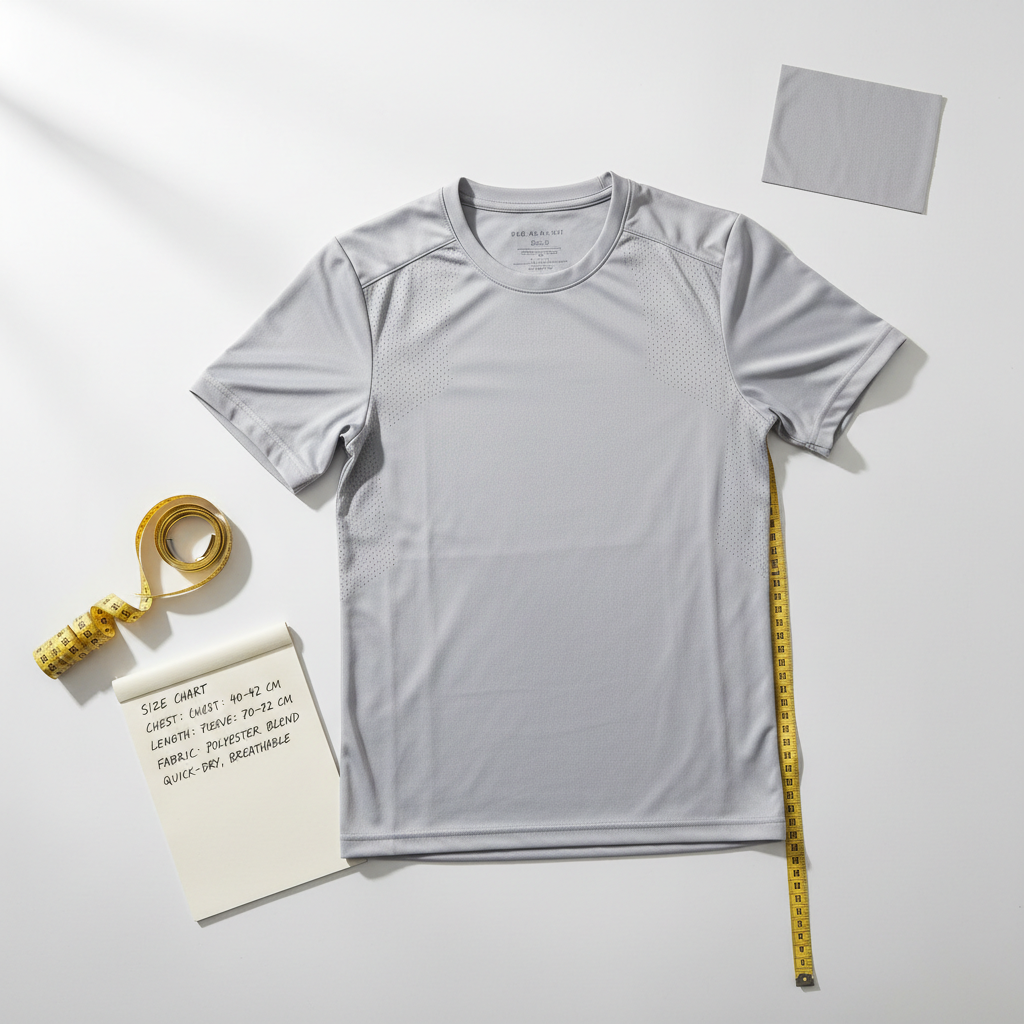
If you can try it on, do one overhead reach, one deep squat, and one quick twist. If the hem climbs and stays there, expect the same during burpees and sprints.
Care, Comfort, and Safety Notes (So It Stays “Light”)
A light top that turns stiff or smelly after a month is usually a care issue, not a “bad jersey.” Small habits help a lot.
- Wash sooner, not hotter: Sweat sitting in fabric can lock in odor. Cold or warm wash often works; high heat may shorten fabric life.
- Skip heavy softeners: Many fabric softeners can reduce wicking performance over time.
- Dry gently: Air dry or low heat helps maintain stretch and surface feel.
If you have sensitive skin, odor-control finishes and dyes can irritate in some cases. According to Centers for Disease Control and Prevention (CDC), keeping athletic gear clean supports basic hygiene, but if you get persistent rashes, it makes sense to consult a clinician since irritation can have multiple causes.
Key Takeaways and a Simple Next Step
A light training jersey earns its spot when it stays breathable under effort, does not cling when wet, and moves with your sport instead of fighting it. The fastest way to pick well is to match features to your training reality, not to a generic “all sports” label.
If you want one action step today, pick two non-negotiables, usually anti-chafe seams and breathable knit, then choose the fit that stays put during your most explosive movement.
FAQ
- What fabric is best for a Training Jersey in hot weather?
Often a lightweight polyester knit or micro-mesh feels cooler because it dries fast and moves air, but comfort still depends on the knit and fit, not just the fiber. - How should a light training jersey fit for lifting?
Most people prefer room at the shoulders and chest without excess fabric at the waist. If the hem rides up during overhead presses, sizing or cut may be off for your build. - Are mesh panels always better?
Not always. Mesh can boost ventilation, but if it sits under backpack straps or contact points, it can snag or feel rough. Placement matters more than “more mesh.” - Why does my jersey cling when I sweat?
Cling often comes from a smooth, dense fabric that “wets out,” plus a close fit. A slightly more textured knit or looser cut usually reduces that sticky feel. - Can I use one jersey for running and team sports?
Yes, in many cases. Look for a middle-ground build: breathable knit, durable face fabric, and seam comfort. Ultra-thin running tops may feel great, but they can struggle with abrasion and contact. - How do I reduce odor in training shirts?
Wash soon after training, avoid heavy softeners, and consider a sport detergent. If odor persists, it may be fabric buildup; a gentle soak can help, but follow care labels to avoid damage. - Is compression better than loose for performance?
It depends on the sport and your preference. Some people like compression for support, others overheat. If you notice tingling, numbness, or skin irritation, sizing down may be too aggressive and you may want professional advice.
If you are trying to standardize your kit for multiple sports, it can be worth picking one “daily driver” training jersey spec you trust, then buying two or three in the same cut so laundry and comfort stay predictable.