
Cardio for beginners works best when it feels doable, repeatable, and a little boring in the beginning, because consistency beats a “killer” session you never want to repeat.
If you’re new to exercise, the hard part usually isn’t motivation, it’s picking the right intensity and not getting sidelined by soreness, shin splints, or that “I guess I’m not a cardio person” feeling after one rough workout.

This guide keeps it simple: how hard to go, which cardio options feel joint-friendly, how to build a weekly routine, and what to watch for if something feels “off.” You’ll also get a couple plug-and-play workouts you can start this week.
What “easy cardio” actually means (and why beginners should start there)
Easy cardio is steady movement at a pace where you can still talk in short sentences, breathe a bit heavier than normal, but you don’t feel like you’re gasping. Many people call this “Zone 2,” but you don’t need gadgets to use it.
According to the Centers for Disease Control and Prevention (CDC), adults generally benefit from regular aerobic activity for overall health, and a realistic way to start is choosing intensities you can sustain and repeat.
- It protects consistency: you’re more likely to show up tomorrow.
- It builds an aerobic base: your heart, lungs, and muscles adapt without excessive stress.
- It lowers injury risk: especially if your tendons and joints are still adapting.
People often assume cardio has to feel punishing to “count.” In real life, many improvements come from stacking manageable sessions across weeks.
Quick self-check: are you starting at the right intensity?
If you’re unsure where to begin, use this simple checklist during your next session. It works for cardio for beginners across walking, cycling, elliptical, rowing, and swimming.
- Talk test: you can speak, but singing feels difficult.
- Breathing: deeper and faster than resting, not frantic.
- Effort: around 4–6 out of 10, where 10 is all-out.
- Form stays clean: shoulders relaxed, no “death grip” on handles.
- Recovery: you feel better within 5–10 minutes after stopping, not wiped out for hours.
If you fail the talk test, the fix usually isn’t “push through,” it’s “slow down and keep going longer.” That’s a mindset shift that helps a lot.
Beginner-friendly cardio options (pick what your body tolerates)
There’s no single best choice. The “right” cardio is the one your schedule and joints can handle for a month straight.
- Walking: underrated, accessible, easy to scale with hills or incline.
- Stationary bike: often easier on knees and ankles, great for heavier beginners.
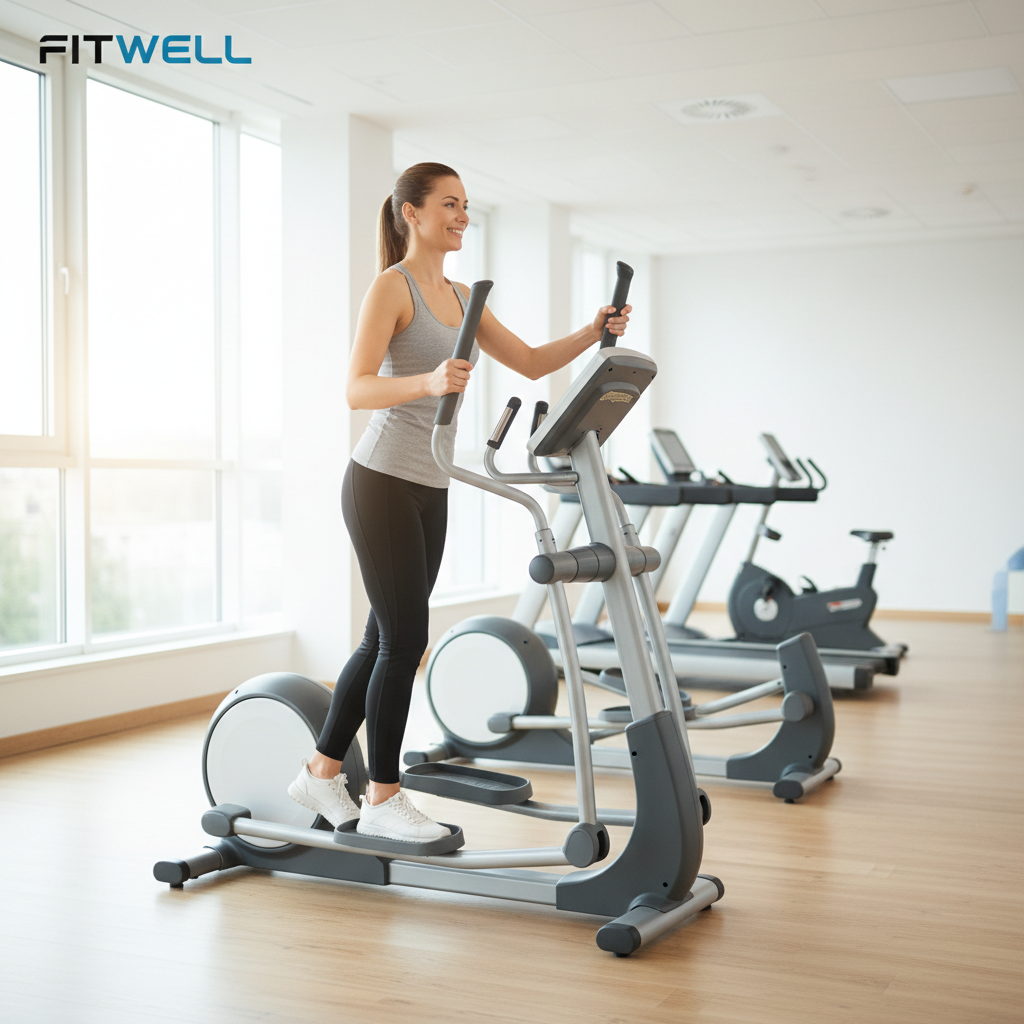
- Elliptical: low impact with a “cardio feel,” helpful if running bothers you.
- Rowing machine: full-body, but technique matters; start easy and short.
- Swimming / water walking: joint-friendly, excellent if you have pain or a lot of soreness.
If you want a simple rule: choose the option that leaves you pleasantly tired, not achy in a sharp or localized way.
A simple weekly plan you can actually follow (2–4 weeks)
Most beginners do better with a schedule that feels almost too easy on paper. You’ll progress by adding minutes before you add intensity.
Key points to keep you consistent: keep sessions short at first, repeat the same format, and avoid turning every day into a test.
Starter plan (Week 1–2)
- 3 days/week: 20–30 minutes easy cardio
- Optional 1 day/week: 10–20 minutes very easy “recovery” walk or bike
- Warm-up: 5 minutes slower than your target pace
- Cool-down: 3–5 minutes easy, then light stretching if it feels good
Build plan (Week 3–4)
- 3–4 days/week: 25–40 minutes easy cardio
- One “variety” day: add a few short pick-ups (details below), still not a sufferfest
Two plug-and-play workouts (treadmill, outdoors, bike, or elliptical)
These sessions are intentionally simple. Cardio for beginners should feel like practice, not punishment.
Workout A: Steady easy session
- Warm-up: 5 minutes easy
- Main: 15–30 minutes at talk-test pace
- Cool-down: 5 minutes easy
Do this most of the time. If you can only do one style of cardio, pick this.
Workout B: Gentle intervals (low stress, higher interest)
- Warm-up: 6–8 minutes easy
- Main: 6 rounds of 30 seconds “brisk” + 90 seconds easy
- Finish: 5–10 minutes easy
The “brisk” part should still feel controlled, you should not be sprinting. If your breathing spikes hard, shorten the brisk part or slow it down.
How to progress without overdoing it (the part most people mess up)
The easiest progression that usually works: add time first, then add a little intensity. Trying to add both at once is where beginners often get sore, discouraged, or hurt.
- Add 5 minutes to one or two sessions per week when you feel stable.
- Keep one day “easy-easy” so your body has room to adapt.
- Use effort, not ego: if you slept poorly or feel beat up, go shorter and easier.
According to the American Heart Association (AHA), physical activity supports heart health, and building a sustainable routine matters more than occasional extreme workouts.
Table: choose your starting point (by fitness, time, and joint comfort)
This is a practical way to pick a plan without overthinking it.
| Situation | Good starter choice | Session length | Weekly frequency | Progression focus |
|---|---|---|---|---|
| Very deconditioned, low confidence | Walking (flat) or bike | 10–20 min | 3x/week | Add minutes before speed |
| Joint discomfort with impact | Bike, elliptical, water walking | 15–25 min | 3–4x/week | Keep effort moderate, smooth cadence |
| Busy schedule, can’t do long workouts | Brisk walk + gentle intervals | 15–25 min | 3x/week | Consistency, then add 5 min |
| Already active but new to structured cardio | Treadmill incline walk, bike, row easy | 25–40 min | 3–5x/week | One variety day, rest stay easy |
Common mistakes and safety notes (so you don’t quit in Week 2)
Most “cardio doesn’t work for me” stories are really pacing, footwear, or recovery problems.

- Going too hard too soon: if every session feels like a test, fatigue piles up.
- Ignoring pain signals: sharp pain, worsening pain, or one-sided joint pain deserves a pause and reassessment.
- Bad shoe match for walking/running: many beginners do better with supportive shoes, especially if increasing steps fast.
- Skipping warm-ups: five easy minutes often makes the whole workout feel smoother.
- Progressing randomly: keep one or two “default” workouts and adjust one variable at a time.
If you have medical conditions, take medications that affect heart rate, or feel dizzy, chest pain, or unusual shortness of breath, it’s wise to stop and consult a clinician or a qualified professional. That’s not alarmism, it’s basic risk management.
Practical “make it stick” tips (the unglamorous stuff)
- Lower the start line: tell yourself you only need to do 10 minutes, and see what happens.
- Use a comfort cue: podcast, playlist, or a favorite route keeps boredom from becoming an excuse.
- Track one metric: minutes per week is enough early on, you don’t need fancy stats.
- Pair cardio with strength: even 2 short strength sessions weekly can help joints tolerate more movement.
Conclusion: your next 7 days, kept simple
If cardio for beginners has felt intimidating, aim for three easy sessions this week, keep the talk test honest, and stop trying to “win” workouts. The win is showing up again.
Action steps: pick one cardio mode you don’t hate, schedule 3 slots on your calendar, and use the steady easy session for at least two of them.
FAQ
How long should cardio for beginners be?
Many people do well starting around 15–30 minutes per session, three times a week. If that sounds like a lot, start at 10 minutes and add time gradually.
Is walking “real” cardio if I’m trying to lose weight?
Walking counts, especially if you do it consistently and at a brisk, repeatable pace. Weight change still depends on overall habits, but walking is a practical base you can build on.
Should I do cardio every day as a beginner?
Some can, but many don’t need to. A safer approach is 3–4 days per week at an easy intensity, then add an extra day only when recovery feels solid.
What if my heart rate seems high even at an easy pace?
Heart rate varies by person, stress, sleep, caffeine, heat, and medications. Use the talk test and perceived effort, and consider asking a clinician if you have concerns or symptoms.
Is it better to do cardio before or after strength training?
It depends on your priority. If building strength matters most, lift first and do easy cardio after. If you’re focused on aerobic capacity, do cardio first or on separate days.
How do I know if I’m overdoing it?
Common signs include steadily worsening soreness, sleep disruption, cranky fatigue, declining performance, or aches that get sharper with each session. When that shows up, back off for a few days and return easier.
Do I need a treadmill or gym membership for beginner cardio?
No. A safe walking route, a set of stairs, or a basic stationary bike can be enough. The best setup is the one you’ll actually use consistently.
If you’re trying to start cardio but keep bouncing between “too easy” and “too hard,” a simple plan plus a quick form or pacing check can save a lot of frustration, and many people find a session or two with a certified personal trainer helps dial in intensity without guessing.