
Individual Sports are one of the most practical ways to build self discipline because your progress depends on what you do when nobody is watching. If you have ever joined a gym, started strong, then faded out, you already know the real problem is rarely “motivation.” It is follow-through.
Solo training makes your habits visible, in a good way. You can’t hide behind a team schedule, and you can’t rely on a coach to carry the structure for you, so you either build a system or you drift.

This article helps you choose the right solo sport for your personality and schedule, then turn it into a repeatable routine. No hype, just the stuff that usually makes the difference: friction, tracking, and recovery.
Why Individual Sports build self discipline (and why they also expose weak spots)
Self discipline is less about willpower and more about behavior you can repeat under normal life pressure. Individual training creates clear cause-and-effect, which is exactly what habit building needs.
- Immediate feedback: You feel the session quality right away, especially in running, swimming, lifting, or climbing.
- Fewer social dependencies: No waiting for a friend to show up, no team schedule conflicts.
- Measurable progression: Time, distance, reps, routes, pace, heart rate zones, all easy to track.
- Identity shift: When you keep a promise to yourself for weeks, you start acting like someone who “doesn’t negotiate” with training.
But the same setup also reveals patterns people avoid: perfectionism, all-or-nothing training, and using “busy” as a reason to skip instead of scaling the workout. If you want discipline, you also need a plan for bad weeks.
Choosing the right solo sport: match the sport to the habit you want
Not every activity teaches the same kind of discipline. Some build consistency through repetition, others build composure under pressure, and others train patience.
Here’s a practical way to decide: pick a sport that makes the next session easy to start. That is the hidden game.
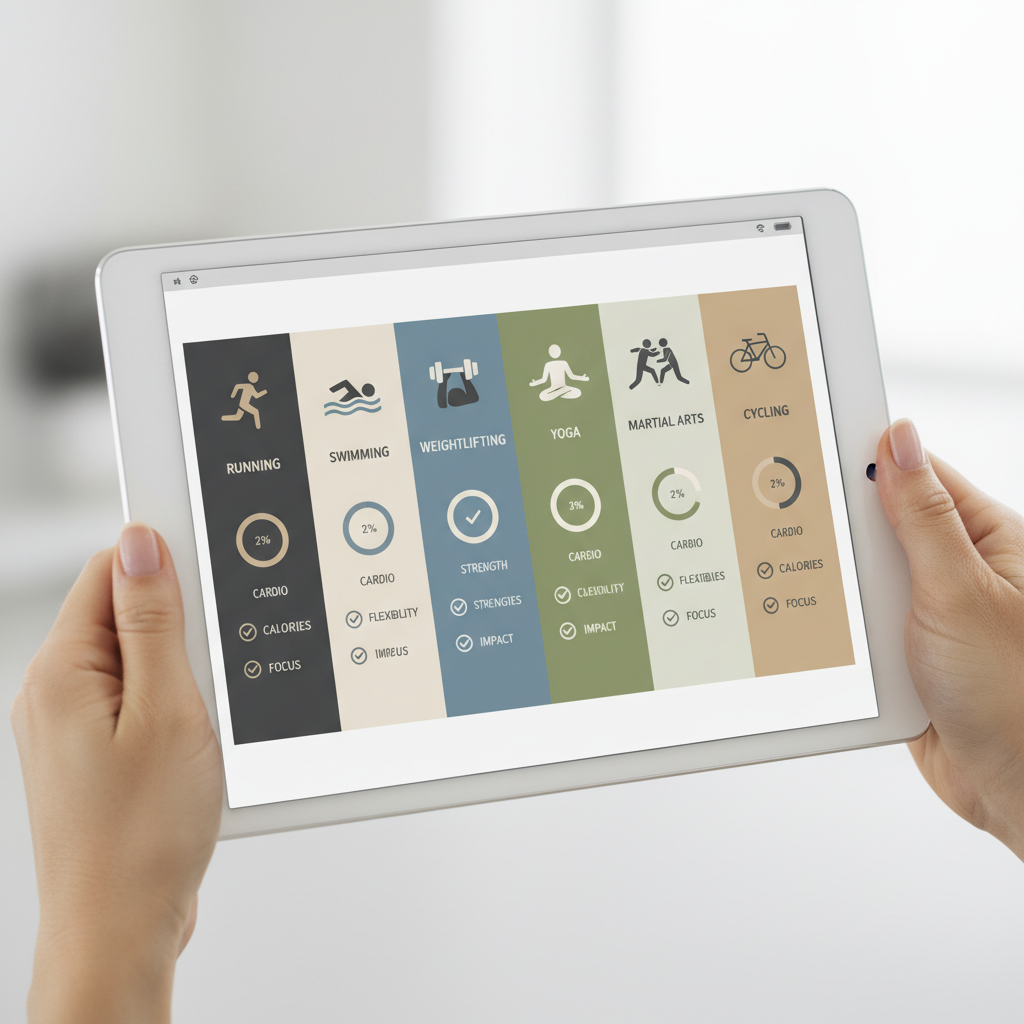
Quick comparison table (real-world tradeoffs)
| Individual sport | Best for building | Common dropout reason | How to make it stick |
|---|---|---|---|
| Running | Consistency, grit | Too hard too soon, shin pain | Start slower than you want, add walk breaks |
| Weight training | Structure, progressive effort | Program hopping, soreness | Repeat the same plan for 6–8 weeks |
| Swimming | Technique discipline, patience | Access, slow progress early | Take a few coached sessions to nail form |
| Cycling | Endurance, stress management | Weather, safety concerns | Use an indoor trainer, plan safe routes |
| Yoga / Pilates | Body awareness, consistency | Feels “too easy,” boredom | Track streaks and focus on progression cues |
| Climbing (bouldering) | Problem-solving, focus | Skin/tendon overload | Limit volume, prioritize rest days |
| Martial arts (solo drills) | Routine, composure | Inconsistent practice at home | Attach drills to a daily trigger (after shower) |
Self-check: are you actually struggling with discipline, or with setup?
Before you “try harder,” check if your environment and expectations make consistency unrealistic. Most people don’t fail from laziness, they fail from bad design.
- You miss workouts mainly on busy days: you need a minimum version (10–20 minutes) that counts.
- You skip because you don’t know what to do: you need a written plan, not inspiration.
- You train hard, then disappear for a week: your intensity is too high for your recovery.
- You feel guilty when you scale down: you’re stuck in all-or-nothing thinking.
- You start new routines often: you might be chasing novelty instead of progression.
If two or more hit home, you likely need a simpler system, not a “more hardcore” sport.
A simple system that makes Individual Sports sustainable
According to Centers for Disease Control and Prevention (CDC), adults benefit from regular physical activity, and consistency matters more than occasional heroic effort. Translating that into day-to-day discipline is mostly operational: calendar, triggers, and a clear “done” definition.
Step 1: Set a minimum workout that always counts
Your minimum session is your discipline anchor. It should feel almost too easy, because the goal is to protect the habit when life gets loud.
- Run: 15 minutes easy, or run-walk intervals
- Lift: 3 big lifts, 2 sets each, leave the gym
- Swim: 20 minutes technique-focused
- Yoga: 10-minute mobility flow
Step 2: Use “fixed time, flexible content”
Pick a training window you can defend, then let the workout adapt. A consistent time creates rhythm; flexible content prevents skipped days when energy is low.
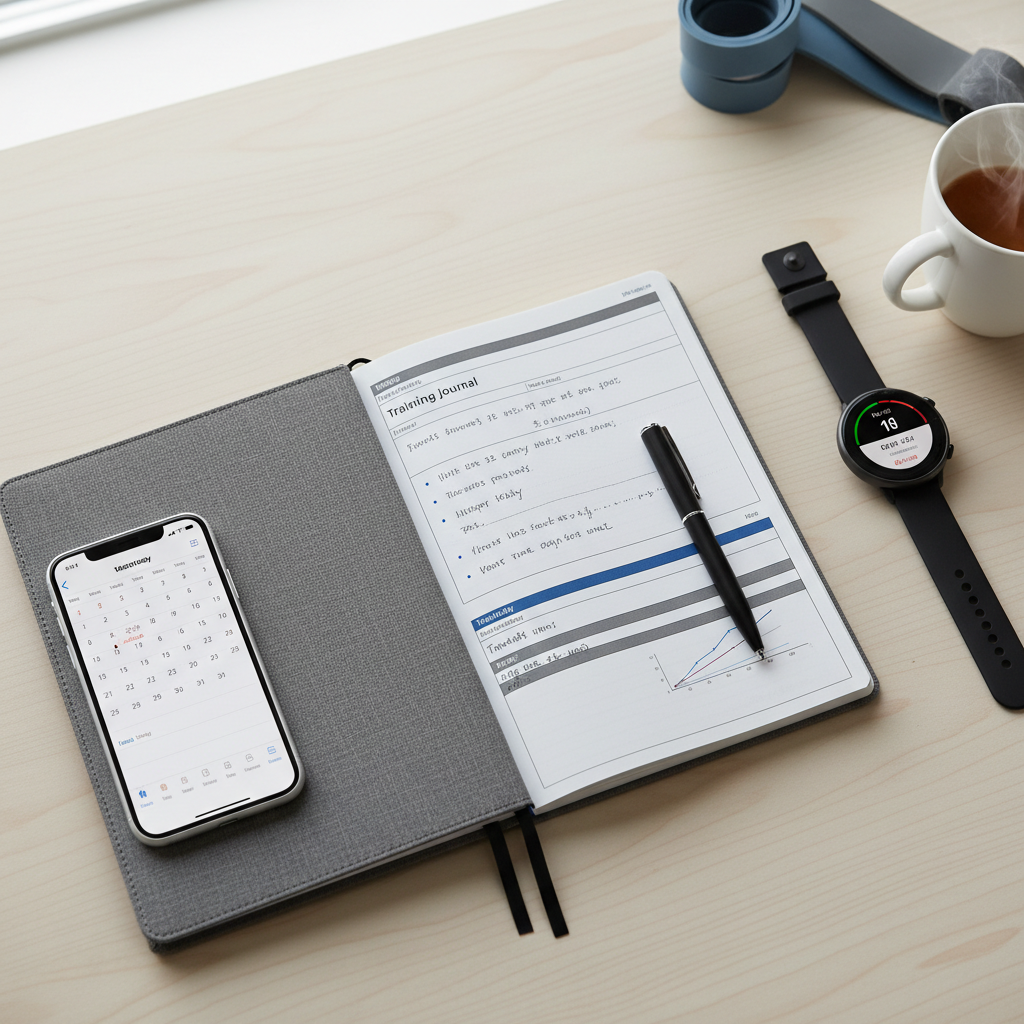
Step 3: Track one metric, not ten
Tracking works when it stays boring and quick. Choose one primary metric based on your sport, then add short notes if needed.
- Running: weekly minutes or weekly miles
- Strength: total sessions completed, plus top set weight
- Swimming: total laps with “good form” rating
- Climbing: problems attempted at a target grade
Practical weekly templates (pick one and run it for a month)
People often ask for the “best” plan, but the better question is which plan you can repeat for four weeks without negotiating with yourself every day.
Template A: 3-day discipline builder (most schedules)
- Day 1: Main session (harder day)
- Day 2: Technique or easy endurance
- Day 3: Minimum session plus optional accessories
Template B: 5-day micro-dose (for people who hate long workouts)
- 3 short sessions (20–30 minutes)
- 2 minimum sessions (10–20 minutes)
This tends to work well with Individual Sports because it keeps the “start” muscle strong. Starting is the habit.
Template C: 2-day base + daily movement (busy season)
- 2 full sessions on predictable days
- 10 minutes daily mobility or walking
It sounds small, but it prevents the common trap where you lose the thread for weeks, then try to restart at full intensity.
Mistakes that look like discipline problems (but aren’t)
Many people blame themselves when the plan is the issue. A few patterns show up again and again with solo training.
- “I need to feel motivated.” Motivation is unreliable, cues and routines work on low-mood days.
- Going too hard in week one. Soreness and minor overuse pain can snowball, especially in running and climbing.
- Changing programs weekly. You can’t measure progress if you keep resetting the baseline.
- Ignoring recovery. Sleep, nutrition, and rest days are part of discipline, not a reward for being disciplined.
- Buying gear instead of building the habit. New shoes help, but they do not create a schedule.
If discomfort, dizziness, chest pain, or persistent joint pain shows up, it’s smarter to scale back and consider checking with a qualified clinician or coach. Most improvements come from consistency, not from pushing through warning signs.
When to get help (coach, physical therapist, or structured program)
Individual training still benefits from outside guidance, especially when progress stalls or aches repeat. According to American College of Sports Medicine (ACSM), appropriate progression and technique matter for safe, effective training.
- You repeat the same pain pattern for more than a couple weeks
- You cannot tell if your form is improving
- You feel stuck at the same pace/weight/skill for months
- You need accountability to re-enter after a long break
A few sessions with a coach, a swim instructor, or a physical therapist can be enough to correct mechanics and keep your routine intact. You’re not “outsourcing discipline,” you’re removing avoidable friction.
Key takeaways to keep on your phone
- Pick the sport you can start easily, not the one that sounds most impressive.
- Create a minimum session that counts on messy days.
- Repeat a simple plan for 4 weeks before you tweak anything.
- Track one metric to stay honest without obsessing.
- Respect recovery, especially if you want discipline that lasts.
Conclusion: discipline is the routine you keep when life gets busy
If you want self discipline, Individual Sports give you a clean arena to practice it, but the “win” is not a perfect month, it’s a system that survives imperfect weeks. Pick one solo sport, set a minimum workout, and commit to repeating a simple weekly template for the next 30 days.
If you want a single action today, schedule your next three sessions on your calendar and write the minimum version in one sentence, then treat that as non-negotiable.
FAQ
- What are the best Individual Sports for beginners who want discipline?
Running-walking, basic strength training, and beginner-friendly yoga are common starting points because the learning curve stays manageable and progress is easy to track. - How many days per week should I train to build self discipline?
For many people, 3 days per week builds consistency without overwhelming recovery. If your schedule is unpredictable, a 2-day base plus minimum sessions often works better. - How do I stay consistent with solo workouts when I’m tired?
Use a minimum session and allow “easy days” to count. Discipline grows when you keep the appointment, even if the workout scales down. - Do Individual Sports help with mental toughness?
They can, especially endurance sports and skill sports like climbing, but mental toughness usually comes from repeat exposure to manageable discomfort, not from punishing workouts. - What if I get bored training alone?
Boredom often means your plan lacks small goals. Add a simple progression target, like weekly minutes, a technique focus, or a skill checklist, and keep the main routine unchanged. - Is it safe to train alone every day?
It depends on intensity, sleep, and injury history. Many people do well with frequent low-intensity work, but recurring pain or unusual symptoms should prompt a break and possibly professional guidance. - Should I use a coach for an individual sport?
If technique is a bottleneck or you keep restarting, a coach can shorten the trial-and-error phase. Even a few sessions can clarify form and progression.
If you’re trying to build discipline but keep stalling on planning, tracking, or progression, it may help to use a simple written program or a coach-led framework, not because you can’t do it alone, but because it reduces the decision fatigue that quietly kills consistency.