
Running gear essentials matter most when the weather changes mid-run and you still need to stay comfortable, visible, and safe. If you’ve ever started in cool air and finished in sun, or gotten caught in a surprise shower, you already know the wrong setup can ruin an otherwise solid training day.
The good news is you don’t need a closet full of specialty items. Most all-weather comfort comes from a few smart choices: breathable layers, a simple rain plan, a temperature-aware glove/hat strategy, and visibility you can trust.
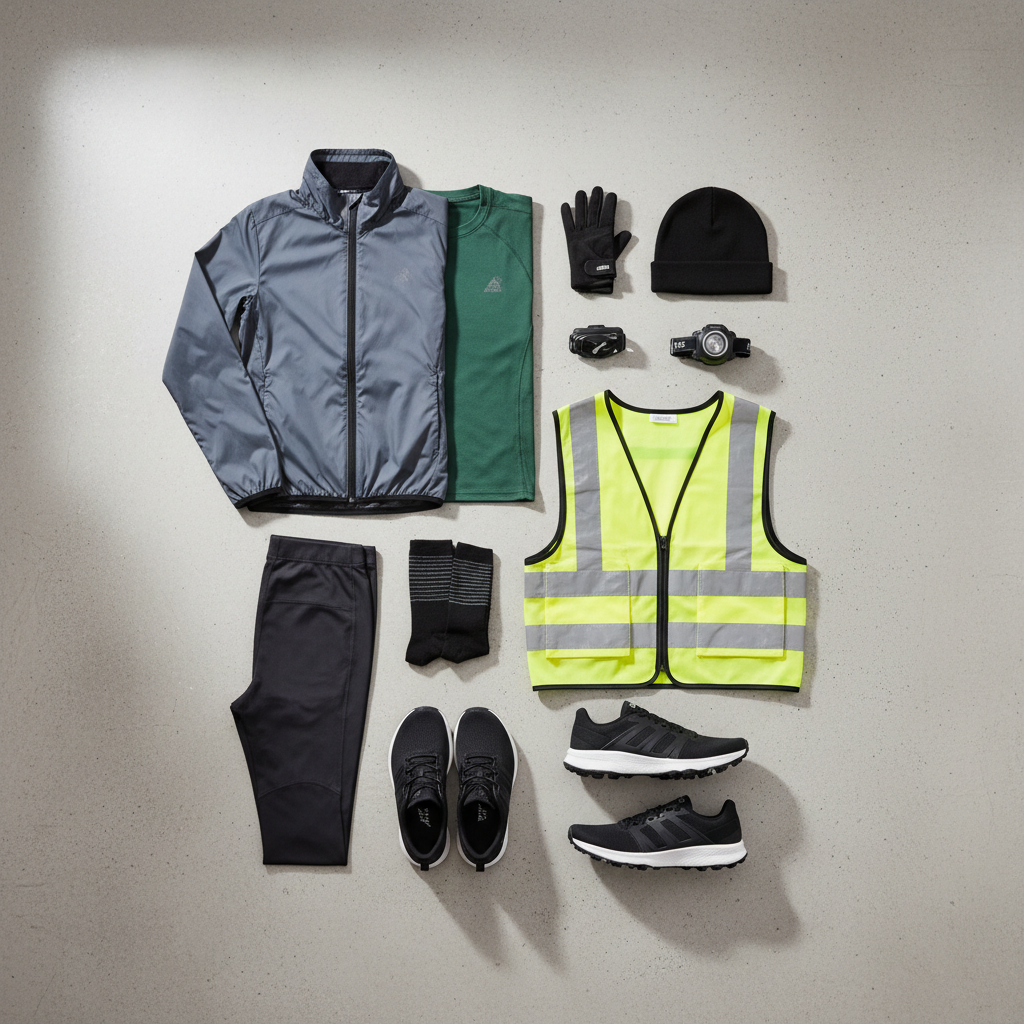
What this guide does is help you pick the right pieces for heat, cold, rain, and wind, without overbuying. I’ll also flag common mistakes that make runners feel clammy, overheated, or oddly cold even when they “layered up.”
Start with the “always” essentials (no matter the forecast)
Before you think about seasons, lock down a small base kit. These items solve the issues you face in every month: sweat management, chafing, hydration, and visibility.
- Moisture-wicking top and bottom: synthetic or merino, avoid cotton for most runs because it holds moisture and can leave you chilled.
- Comfort-first socks: blister control often comes down to socks more than shoes, especially in rain or humidity.
- Anti-chafe (stick, balm, or cream): apply proactively to common hot spots, not after you feel rubbing.
- Carry option: pockets, belt, or vest that fits snug so items don’t bounce.
- Visibility: reflective elements plus an active light when it’s dark.
According to the American Academy of Dermatology Association, moisture and friction are major contributors to skin irritation, which is why fabric choice and chafe prevention can matter as much as mileage.
Layering that works: the small rule that fixes most “I dressed wrong” days
A practical way to think about running gear essentials is this: build around a base layer that moves sweat, then add only what protects you from the strongest condition outside, usually wind or precipitation.
Use this simple layering stack
- Base: next-to-skin wicking tee or long sleeve (merino or technical synthetic).
- Mid (optional): light fleece or thermal, used in sustained cold.
- Shell: windbreaker or rain shell, chosen by conditions.
What trips people up is wearing a heavy, warm outer layer that blocks breathability. You feel cozy for 8 minutes, then sweat builds, then you cool down and get chilled.
Hot weather setup: cool the core, protect skin, keep it simple
In heat and humidity, your goal is to reduce heat load without creating a soggy mess. You’ll usually do better with fewer pieces, higher airflow, and a plan for sun.
- Lightweight singlet or tee with open weave panels for ventilation.
- Shorts or split shorts that don’t trap heat at the waistband.
- Hat or visor to manage sweat and sun exposure.
- SPF on exposed skin, plus lip protection.
- Hydration strategy: handheld, belt bottles, or a vest for longer runs.
According to the Centers for Disease Control and Prevention (CDC), heat-related illness risk rises with high temperatures and humidity, and prevention generally includes hydration, appropriate clothing, and adjusting intensity. If you have medical conditions or take medications that affect heat tolerance, it’s smart to consult a clinician.
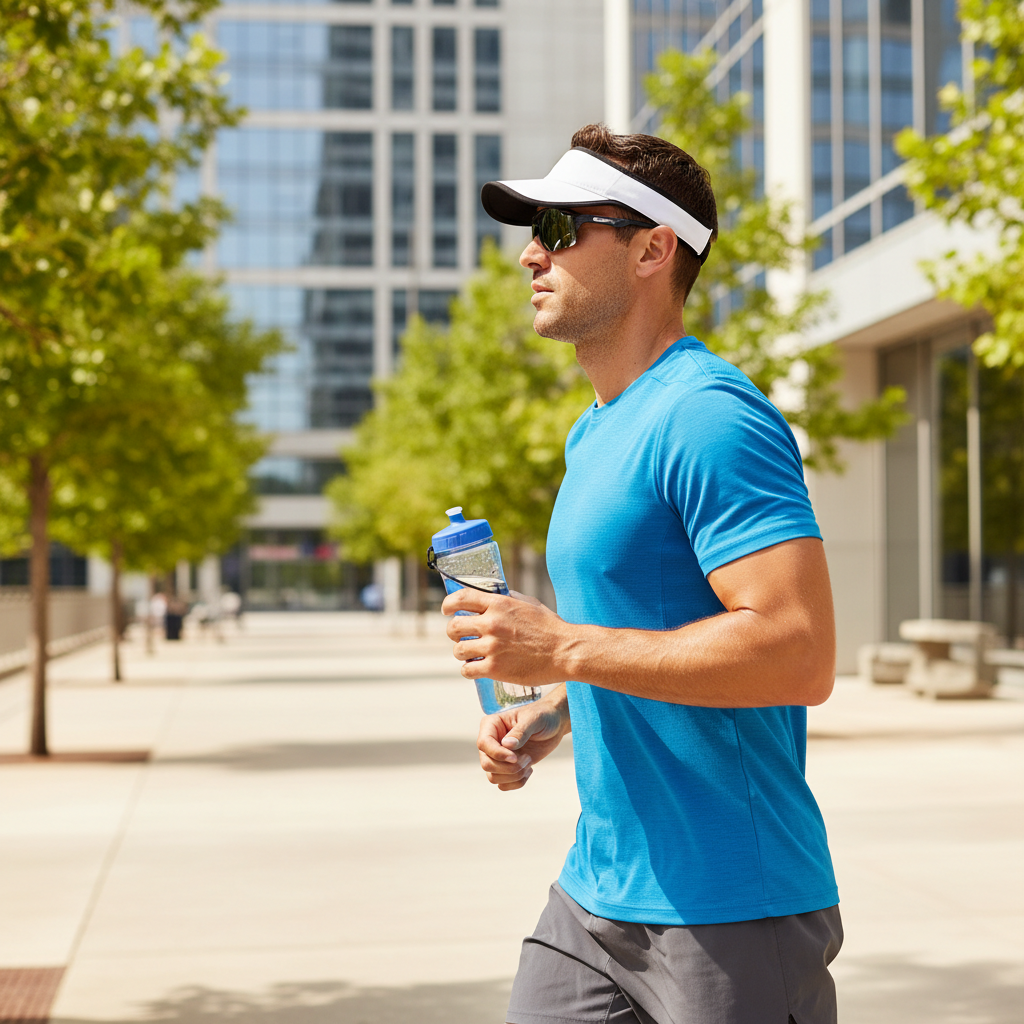
Key point: for many runners, the biggest upgrade in hot weather is not a “cooling gadget,” it’s a lighter shirt plus a hat that doesn’t hold sweat like a sponge.
Cold and wind: stay warm without getting soaked from your own sweat
Cold weather feels straightforward until wind enters the chat. A mild temperature with strong wind can feel harsher than a calmer, colder day, so wind protection often earns a spot among true running gear essentials.
What to prioritize
- Wind-resistant shell: even a thin windbreaker can make your base layer feel twice as effective.
- Hands and ears: gloves and a headband or beanie, because cold extremities can end a run early.
- Thermal tights or brushed leggings for sustained cold, especially if you run easy or stop frequently.
- Neck gaiter: flexible warmth, also helps when air feels sharp.
One realistic tip: if you tend to overheat, choose a shell with vents or a 1/2 zip mid layer. You want control, not a sealed plastic bag effect.
Rain and wet conditions: manage water, don’t try to “stay dry” at all costs
In steady rain, staying perfectly dry is often unrealistic. The better goal is staying warm enough and preventing friction, blisters, and cold wind exposure.
Rain-smart gear choices
- Light rain jacket with some breathability and a hood that doesn’t flop into your eyes.
- Brimmed cap under the hood to keep rain off your face.
- Anti-chafe on areas that worsen when wet (inner thighs, underarms, sports bra lines).
- Socks that handle moisture: many runners prefer wool blends in wet conditions.
- Traction-aware shoes: not necessarily “waterproof,” but reliable grip for painted lines, wet leaves, slick sidewalks.
According to the National Weather Service, lightning can occur well away from heavy rain. If you hear thunder, it’s usually safer to head indoors and wait it out, even if you feel fine continuing.
Visibility and safety: what to wear when drivers can’t see you
Visibility is one of the most overlooked running gear essentials because reflective details feel “nice to have” until you experience a near-miss. Reflective helps when light hits it, but it’s not the same as being actively lit.
- Headlamp or chest light for seeing and being seen.
- Rear red light when running near roads or shared paths.
- Reflective vest or sash over darker jackets.
- Bright colors in low light or heavy rain, especially at dawn/dusk.
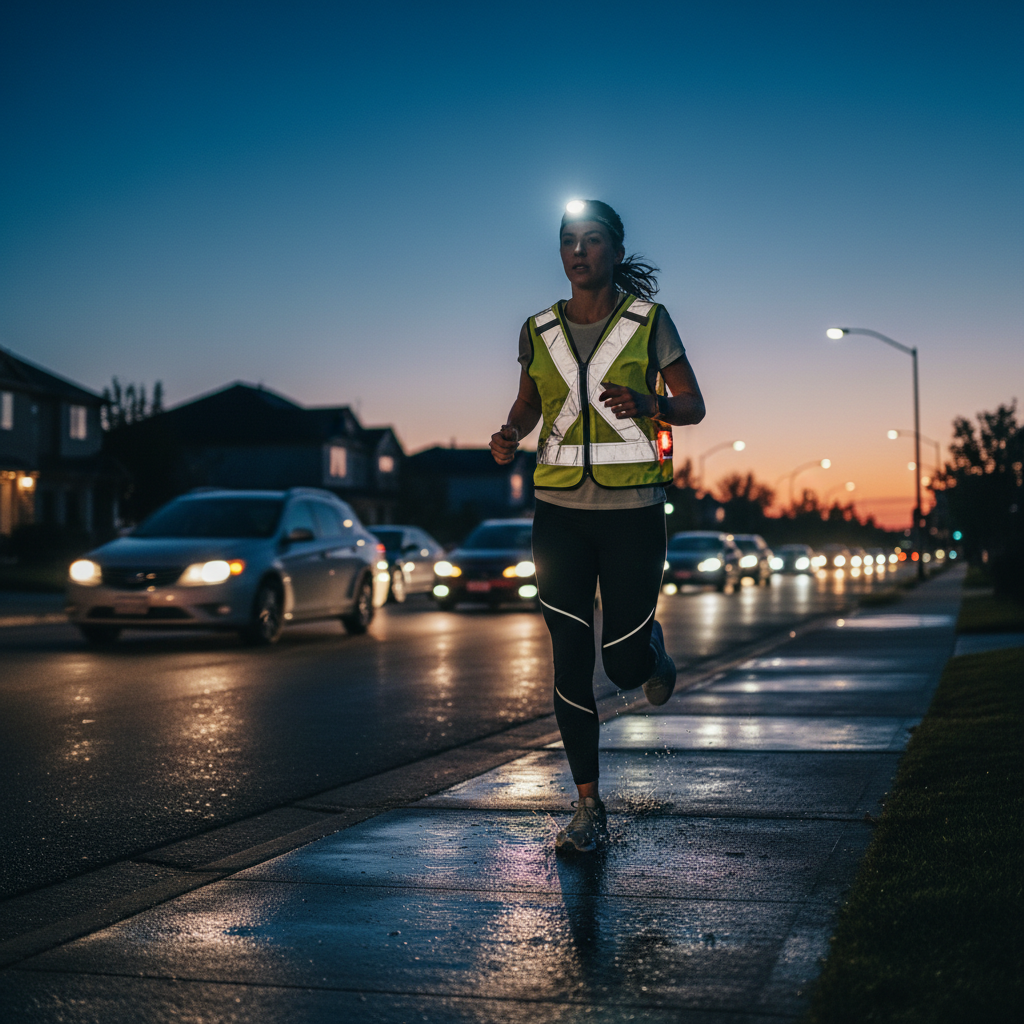
If you run with headphones, consider a mode that keeps awareness high, or lower volume near intersections. Local laws and personal risk tolerance vary, so use judgment.
Quick-pick table: match your kit to conditions
If you want a fast answer before heading out, use this as a starting point and adjust for your personal cold/heat tolerance.
| Condition | What to wear | What to add |
|---|---|---|
| Hot + sunny | Light top, shorts | Hat/visor, SPF, electrolytes for longer runs |
| Humid | Breathable top, anti-chafe | Extra socks in car, hydration plan |
| Cold + calm | Base + mid (as needed) | Gloves, headband/beanie |
| Cold + windy | Base + wind shell | Neck gaiter, warmer gloves |
| Rainy | Wicking base, light shell | Brim cap, anti-chafe, traction focus |
| Dark/low light | Any kit | Headlamp, rear light, reflective layer |
Practical checklist: build your all-weather kit without overspending
Here’s a clean way to build out running gear essentials in the order most runners feel the difference. Buy one, test it on a few runs, then decide if you truly need the next item.
- One great base top (hot weather) + one great base long sleeve (cool weather)
- One windbreaker that packs small
- One light rain shell if you run through wet seasons
- Gloves + headband for cold starts
- Visibility kit: headlamp and a small rear light
- Anti-chafe and two sock types (thin for heat, warmer for cold/wet)
Key takeaways: prioritize breathability, wind protection, and visibility, then fine-tune comfort pieces like gaiters, thicker tights, or specialty hats.
Common mistakes that make all-weather gear feel “bad”
- Going waterproof too early: many waterproof fabrics trap sweat, a breathable shell often feels better unless rain is steady.
- Ignoring wind: temperature apps don’t always capture how wind cuts through exposed areas.
- Over-layering legs: runners often need less on legs than on torso, especially once warmed up.
- Relying on reflective only: add an active light when it’s dark.
- Wearing the wrong socks in wet runs: blisters often show up after, not during, so it’s easy to misdiagnose the cause.
If you get frequent blisters, numb toes, or recurring skin irritation, a running store fitting, a sports medicine clinician, or a dermatologist might help you identify a sizing, gait, or skin issue rather than endlessly swapping products.
Conclusion: keep the kit small, make it adaptable
All-weather running gets easier when you treat running gear essentials like a modular system, a solid base, a smart shell, and a few comfort and safety add-ons that travel well. Pick pieces you enjoy wearing, test them in short runs, and adjust based on how your body responds.
If you want an easy next step, choose one upgrade that solves your biggest recurring problem, overheating, getting chilled in wind, or poor visibility, then build from there.
FAQ
- What are running gear essentials for beginners?
Start with a moisture-wicking top, comfortable socks, a way to carry keys/phone, and basic visibility. Add layers only after you learn how hot or cold you run. - Do I need a waterproof jacket to run in rain?
Not always. Many runners prefer a breathable shell and accept getting a bit wet, especially on warmer days. In cold rain, a better shell can help reduce wind chill. - How do I stop chafing in humid weather?
Use anti-chafe before the run, choose smoother seams, and avoid cotton. If the problem persists, check fit, because fabric that shifts usually causes the worst rubbing. - What should I wear for running in 40–50°F weather?
Many people do well with a wicking long sleeve and light gloves, then adjust with a thin wind layer if it’s breezy. Personal tolerance varies, so test on shorter runs. - Is merino wool good for running gear?
Often yes, especially for cool or wet conditions because it can feel warm even when damp. Some runners still prefer synthetics for faster drying in high heat. - What visibility gear actually helps at night?
Reflective is helpful, but an active light (headlamp or chest light) plus a rear red light usually makes you stand out more reliably to drivers and cyclists. - When should I stop running because of weather?
If there’s lightning, extreme heat, icy surfaces, or dangerous wind, it may be safer to reschedule or move indoors. If you have health concerns, consider checking with a medical professional for personalized guidance.
If you’re trying to simplify your setup, take a quick inventory of what you already own, then fill just one gap, wind shell, rain plan, or visibility kit tends to deliver the fastest real-world improvement without turning gear shopping into a hobby.