
The best exercise bike for home workout in 2026 is the one that fits your body, your space, and your tolerance for noise and maintenance, not the one with the flashiest screen.
A lot of people buy a bike based on a single spec, like “heavy flywheel” or “500-lb capacity,” then wonder why it feels awkward, hurts their knees, or ends up as a clothes rack. In real homes, the practical stuff decides whether you ride: seat comfort, adjustability, stability on your floor, and whether you can hop on for 15 minutes without a whole setup ritual.
This guide walks you through the bike categories that actually matter, a quick self-check to narrow options, a comparison table you can screenshot, plus setup and safety tips so your first week goes smoothly.
What “best” means for a home exercise bike in 2026
Most shoppers want the same outcome: consistent workouts with low friction. So “best” usually boils down to four things: fit, ride feel, quiet operation, and programs you will use.
- Fit: Handlebar reach, seat height, and fore-aft adjustment matter more than people expect.
- Ride feel: Resistance range, smoothness, and stability affect motivation and joint comfort.
- Noise: Belt drive and magnetic resistance are often apartment-friendly; chain drive can be louder.
- Experience: Some people thrive with classes and metrics, others prefer simple manual workouts.
According to the American College of Sports Medicine (ACSM), regular aerobic activity supports cardiovascular health, but your plan should match your current fitness and any medical considerations, so if you have concerns, it’s smart to consult a qualified professional.
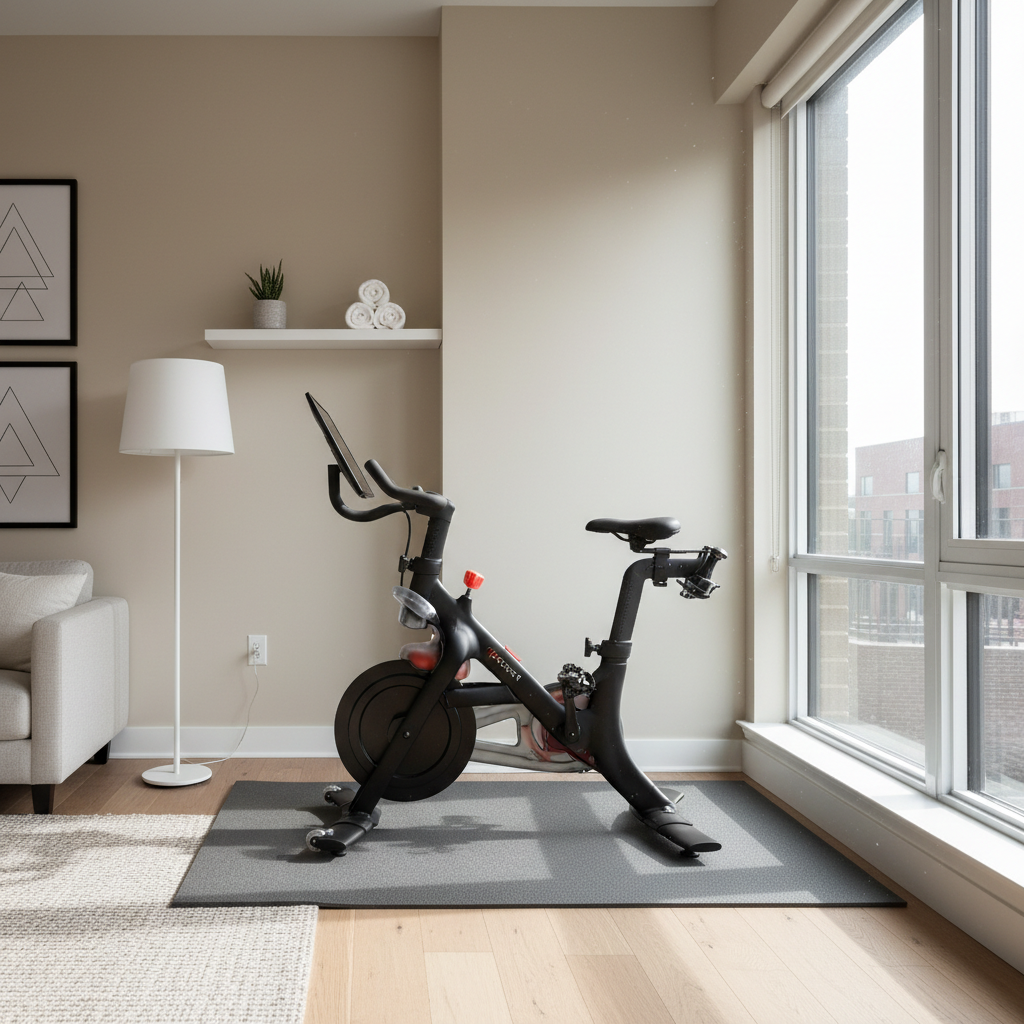
The main bike types (and who each one is for)
Shopping gets easier once you stop comparing every bike to every other bike. Start by picking the category that matches how you like to ride.
Upright bikes
Uprights feel closer to a traditional bicycle and work well for steady cardio and intervals. They can be a solid “default” choice when multiple people share one machine.
- Best for: Most households, moderate space, mixed workout styles
- Watch for: Limited handlebar positions, narrow saddles, wobbly frames on plush carpet
Indoor cycling (spin-style) bikes
These are built for higher intensity and a more forward, athletic position. If you like structured rides and turning effort up quickly, this category often feels the most “training-like.”
- Best for: Interval fans, class lovers, people who like out-of-saddle efforts
- Watch for: Seat comfort, aggressive fit for beginners, heavier footprint
Recumbent bikes
Recumbents trade intensity vibes for comfort and support, with a chair-like seat and backrest. Many people with low back sensitivity prefer them, though individual needs vary.
- Best for: Comfort-first riders, longer easy sessions, some mobility limitations
- Watch for: Larger size, sometimes lower max resistance for hard intervals
Foldable/compact bikes
Compact models can be practical when space is tight. They’re not always the most stable at high effort, but they can win on convenience.
- Best for: Small apartments, occasional rides, easy storage
- Watch for: Shorter adjustment range, flex under load, smaller seats
A quick self-check: narrow your choices in 5 minutes
If you want the best exercise bike for home workout to feel “right” from day one, answer these honestly. Your answers usually point to one category, sometimes two.
- How often will you ride? 2–3x/week (simplicity matters) vs. 5–6x/week (durability and comfort matter more).
- What intensity? Mostly steady cardio, or intervals and hills?
- Any joint or back concerns? If yes, prioritize adjustability and support, and consider professional guidance.
- Noise sensitivity? Apartment walls and sleeping kids push you toward magnetic + belt drive.
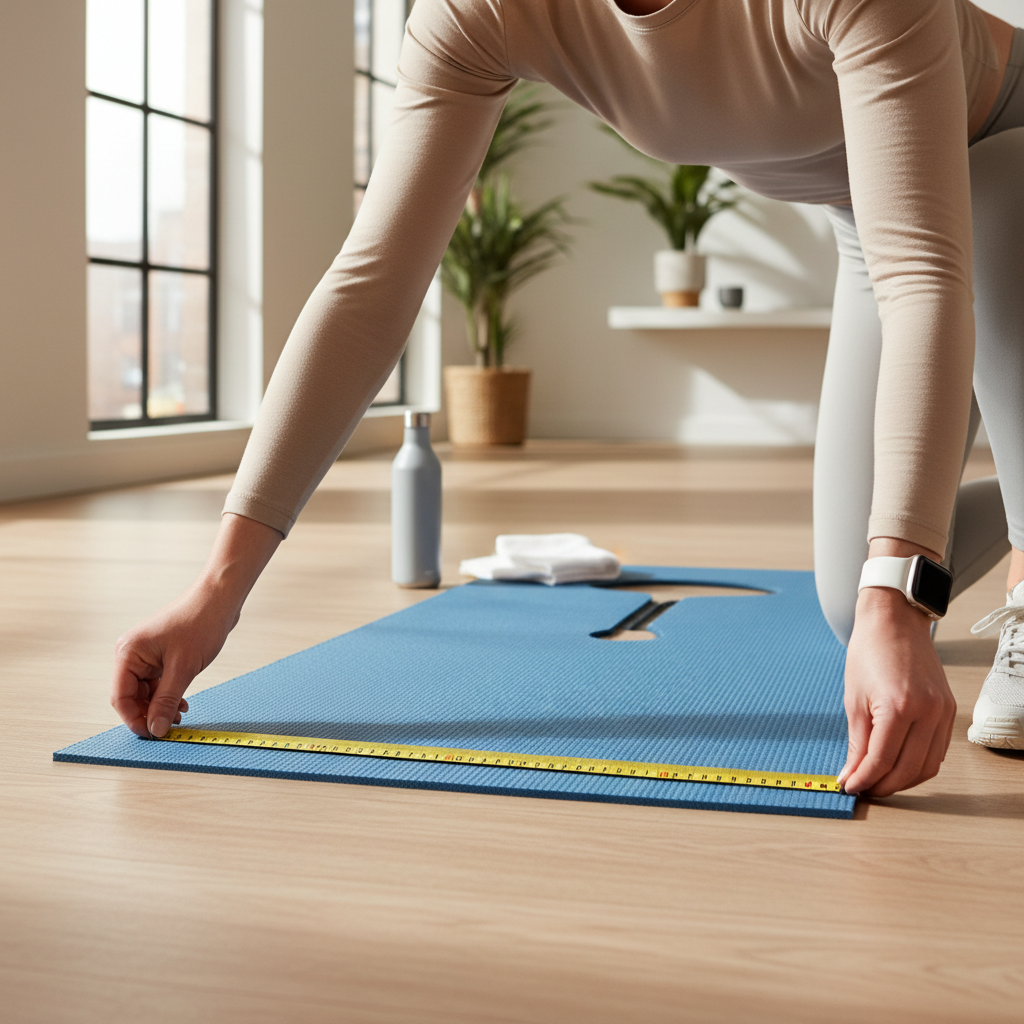
- Space reality? Measure the footprint, plus room to get on/off and adjust the seat.
- Who shares it? Big height range in the household means fast seat adjustments matter.
Comparison table: what to look for by priority
If you’re comparing listings and everything looks the same, use this table to bring the decision back to real-life priorities.
| Priority | What to check | Why it matters at home | Good fit for |
|---|---|---|---|
| Quiet ride | Magnetic resistance, belt drive, enclosed flywheel | Less vibration and squeak, better for apartments | Shared walls, early-morning riders |
| Comfort | Seat size, padding, swap-friendly saddle, multiple hand positions | Comfort decides consistency more than max resistance | Beginners, longer steady rides |
| Fit range | Seat height range, fore-aft seat, handlebar adjustability | Prevents awkward knee and hip angles | Multi-user households |
| Stability | Overall weight, leveling feet, frame geometry | Wobble kills confidence and can feel unsafe | Heavier riders, hard efforts |
| Training feedback | Accurate resistance levels, cadence, heart-rate compatibility | Helps pacing and progression without guesswork | Goal-driven users |
| Low upkeep | Warranty clarity, parts availability, simple belt/magnetic system | Fewer adjustments, fewer “I’ll fix it later” moments | Busy schedules |
Features that matter (and the ones people overpay for)
Some features are genuinely useful; others look exciting on a product page but rarely change your results. Here’s the practical read.
Worth paying attention to
- Adjustability: Seat height plus fore-aft is a big deal, especially on spin-style bikes.
- Resistance control: Smooth steps on magnetic systems make it easier to dial effort precisely.
- Solid contact points: Handlebar grip, pedal straps or clip-in compatibility, and seat rails that don’t slip.
- Clear display: Time, cadence, and resistance are usually enough for most home riders.
Often overhyped
- Huge touchscreen by default: Nice, but only valuable if you’ll actually use the platform consistently.
- Extreme resistance claims: Many riders never use the top 20% of resistance anyway.
- “Gym-grade” language: Without specifics like warranty and service support, it’s mostly marketing.
Key takeaway: If budget is tight, put money into fit, quietness, and stability before subscriptions and screens.
How to choose the right bike for your home workout routine
This is the part most buying guides skip: how your workouts translate to a purchase decision. Use these common scenarios.
If you want simple cardio you’ll actually do
- Look at an upright or recumbent with comfortable contact points and quick adjustments.
- Pick a model with easy resistance changes, so a 10-minute ride still feels productive.
- Plan for a fan or airflow nearby, overheating is a quiet motivation killer.
If you want interval training and “sweat sessions”
- Spin-style bikes usually feel more stable when effort spikes.
- Prioritize a frame that stays planted, plus a drivetrain that stays quiet under load.
- Make sure the seat and bars can dial in fit; aggressive posture without fit often equals discomfort.
If you share the bike with family
- Fast seat adjustment and clear markings save time and reduce “I’ll do it later” excuses.
- Consider multiple users’ heights and inseams; spec sheets can be vague, so check reviews for fit notes.
- Stability matters more when different riders push differently.
Setup and first-week plan (so the bike doesn’t gather dust)
Even the best exercise bike for home workout can feel wrong if it’s set up poorly. Small adjustments change everything.
Basic fit checklist
- Seat height: At the bottom of the pedal stroke, your knee should stay slightly bent, not locked.
- Seat fore-aft: When pedals are level, your front knee should be roughly over the mid-foot area, not drifting far forward.
- Handlebar reach: You should feel supported, not stretched, and your shoulders shouldn’t creep up.
A realistic first week
- Day 1–2: 10–15 minutes easy pace, focus on comfort and cadence.
- Day 3–4: 15–25 minutes, add 3–5 short “pickups” where you increase effort briefly.
- Day 5–7: One longer easy ride, one interval-style ride if you feel good.
If you feel sharp pain, numbness that persists, or dizziness, it’s wise to stop and consult a clinician or qualified coach. Many discomfort issues are fit-related, but it’s not worth guessing when symptoms feel unusual.
Common mistakes buyers make (and how to avoid them)
- Ignoring floor and noise: Put the bike on a mat, level it, and consider neighbors before buying.
- Buying too “advanced”: A race-style setup can be motivating, or it can be intimidating. Be honest about your habits.
- Forgetting seat solutions: Padded shorts, a better saddle, or a seat cover can be a practical fix.
- Chasing calorie numbers: Bike displays can be rough estimates; focus on consistency and perceived effort.
Conclusion: picking your best home exercise bike without overthinking it
The bike that wins in 2026 is rarely the most expensive one, it’s the one that feels stable, fits your body without drama, and stays quiet enough that you don’t avoid using it. If you want a clean shortcut, choose the category that matches your style, then filter hard for adjustability and comfort.
Action steps: measure your space today, list your top two priorities, then shortlist 3 models and check fit range and noise notes before you click buy.
FAQ
What is the best exercise bike for home workout if I live in an apartment?
In many cases, a belt-drive bike with magnetic resistance is the easiest neighbor-friendly choice because it tends to run quieter and with less vibration. A thick mat and proper leveling also matter more than people think.
Is a recumbent bike good enough for weight loss?
It can be, because results usually come from consistency and sustainable effort, not the bike style. Recumbents often make longer sessions more tolerable, which may help adherence, but nutrition and overall activity still play a big role.
How do I know if an exercise bike will fit my height?
Check the published user height range and inseam guidance, then confirm via user reviews when possible since spec sheets can be optimistic. If you’re near the max or min, prioritize models with generous seat adjustment and handlebar options.
Do I need a subscription for a good home bike workout?
No. Subscriptions can add structure and motivation, but a simple bike with a timer and a basic interval plan can work well. If you dislike ongoing fees, look for a bike that functions fully without an app.
Magnetic vs. friction resistance: which is better?
Magnetic resistance is often quieter and lower maintenance, which fits many homes. Friction systems can feel straightforward and affordable, but they may require more adjustment over time and can generate more noise.
What should I do if my knees hurt on a stationary bike?
Stop and reassess fit first, seat height and fore-aft position are common culprits. If pain persists or feels sharp, consider consulting a healthcare professional, since causes vary and it’s not worth pushing through.
How much should I spend on a home exercise bike in 2026?
Budget depends on usage and expectations. If you’ll ride most days, paying more for stability, adjustability, and a solid warranty usually makes sense; if you’re testing the habit, a simpler model may be enough.
If you’re trying to choose the best exercise bike for home workout and feel stuck between a few options, it often helps to write down your non-negotiables, noise level, fit range, and whether you want classes, then pick the bike that removes the most friction from your routine.