
Lifting Straps are a simple tool for weight lifting support when your grip gives out before your back, glutes, or hamstrings do. If you’ve ever dropped a heavy deadlift, paused mid-row, or cut a set short because your hands quit early, straps are usually the first accessory people consider.
That matters more than it sounds, because grip failure can quietly cap your training. You might feel like you’re “not strong enough” when the real limiter is skin, forearm fatigue, or a bar that just won’t stay put once you sweat.
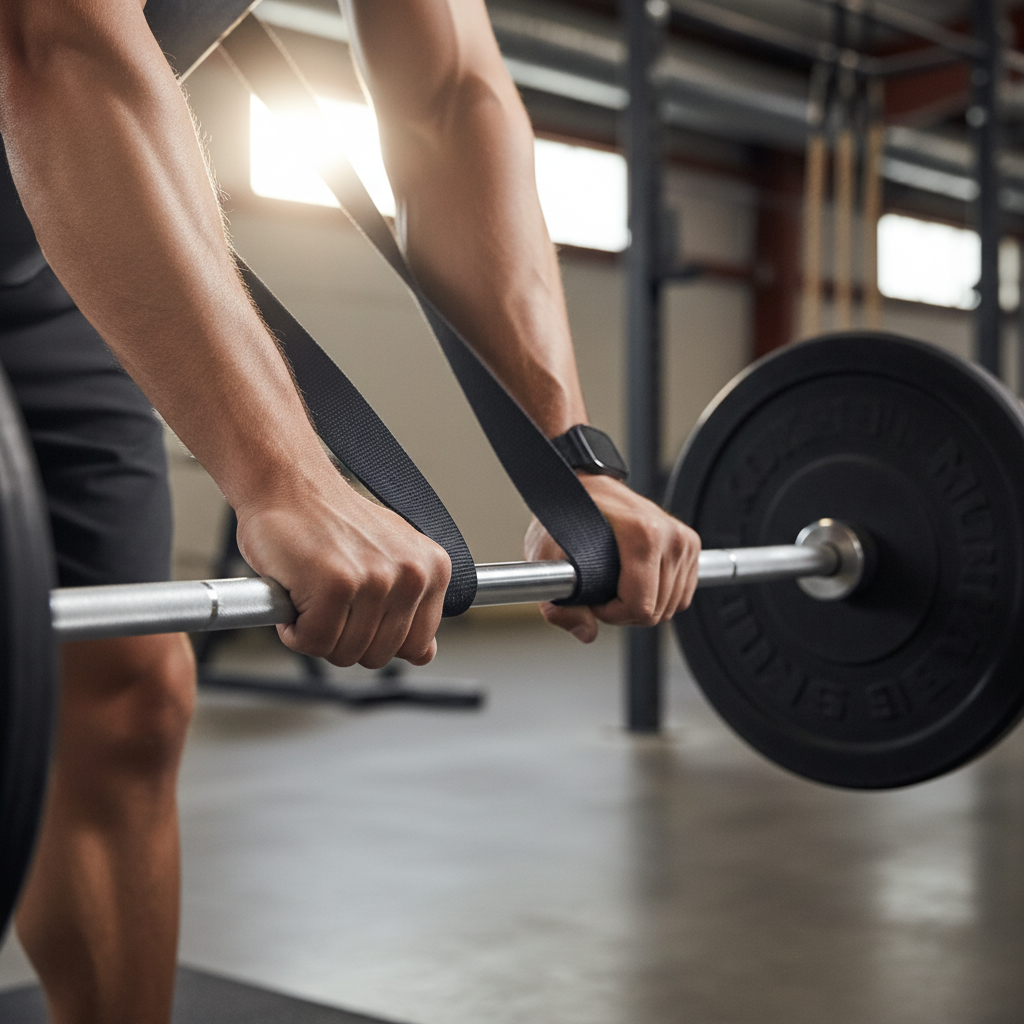
Straps are not magic and they’re not for every lift. Used well, they can keep your pulling volume high, reduce grip as the limiting factor, and help you focus on the target muscles. Used poorly, they can hide weak links or even encourage sloppy positions.
This guide walks through why straps help, how to choose the right type, how to use them without beating up your wrists, and when you should leave them in the gym bag.
What lifting straps actually do (and what they don’t)
Lifting straps work by creating friction and mechanical assistance between your hand and the bar. You still have to hold the bar, but the strap takes some of the load that would otherwise rely on finger strength alone.
In practice, straps tend to help most with:
- Heavy pulls: deadlifts, Romanian deadlifts, rack pulls
- High-rep back work: barbell rows, T-bar rows, heavy shrugs
- Long sets: when grip endurance, not back strength, ends the set
What they don’t do is make a bad setup safe. If your back position, bracing, or bar path is off, straps may let you lift heavier while the weak position stays, which can raise risk. According to NSCA (National Strength and Conditioning Association), sound technique and appropriate progression remain key foundations for resistance training safety, accessories included.
Common reasons grip fails early (real-world scenarios)
Most people blame “weak hands,” but grip often fails for boring, fixable reasons.
- Bar choice and knurling: smooth bars, worn knurling, or thick bars can sap grip quickly.
- Sweat and skin: humidity, chalk rules at your gym, or torn calluses change everything.
- Programming mismatch: too many heavy pulls in a week, or high-rep sets stacked after forearm-heavy work.
- Grip style limits: double overhand is honest but limited; mixed grip and hook grip have tradeoffs.
- Fatigue timing: your grip might be fine fresh, then fail once your lats and upper back fatigue and you lose tightness.
Straps are one way to manage those constraints, especially when your goal is back or posterior-chain overload and you already do some direct grip work elsewhere.
Quick self-check: should you use straps in your training?
If you’re on the fence, this quick checklist usually clarifies it.
You’re a good candidate if…
- Your set ends because the bar rolls, not because your back or legs quit.
- You’re doing hypertrophy work for lats/upper back and grip is the bottleneck.
- You’re managing a temporary hand issue (irritated callus, minor finger tweak) and a coach/clinician says it’s reasonable.
- You already train grip separately and want straps to keep pulling volume high.
Think twice if…
- You compete in a sport where strapless pulling matters (powerlifting deadlifts, many tactical tests).
- You never train your grip without assistance.
- You feel wrist pain when straps tighten, or you can’t keep a neutral wrist.
- You’re using straps to muscle through sloppy reps you shouldn’t be doing.
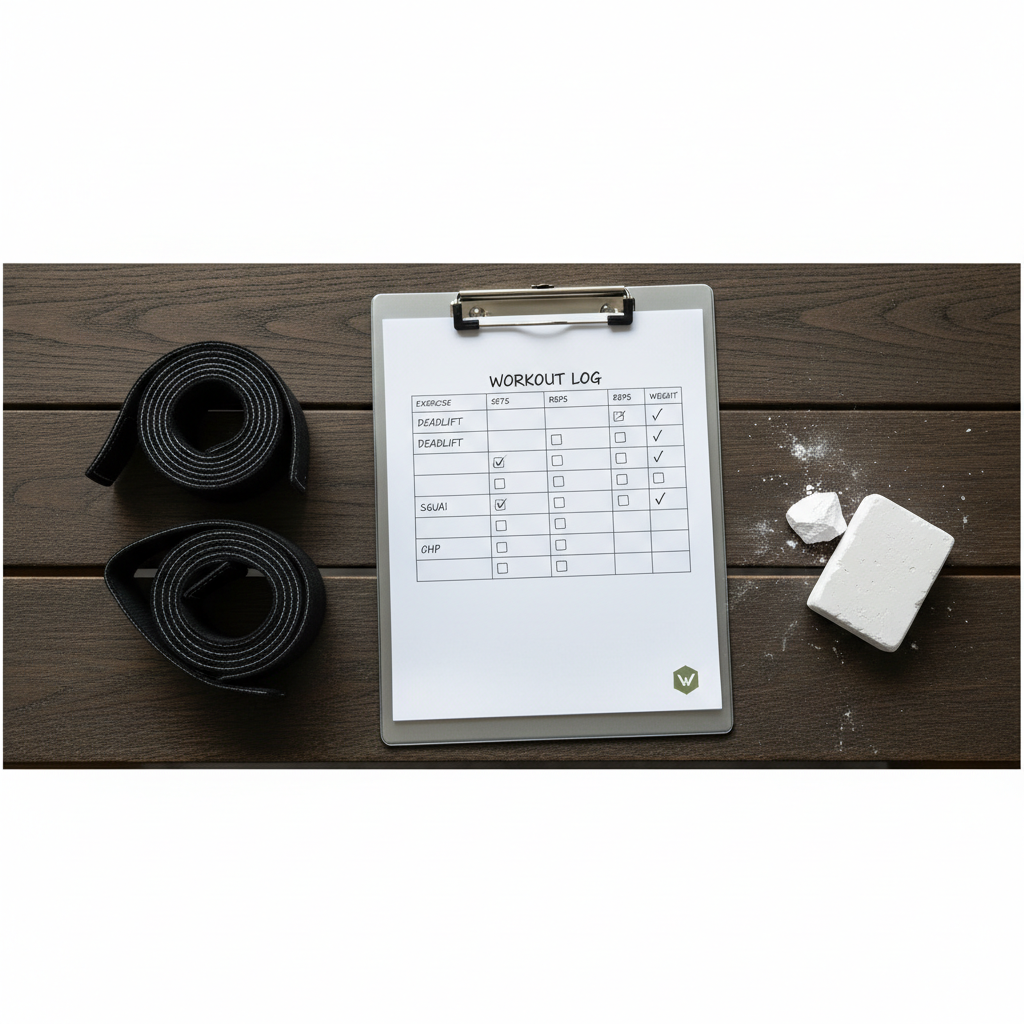
Key point: straps should solve a specific training problem, not become a default setting for every pull.
Types of lifting straps (with a practical comparison table)
Straps look similar online, but the feel under load can be very different. Here’s the breakdown most lifters end up using.
| Type | Best for | Pros | Cons |
|---|---|---|---|
| Loop straps (classic) | General strength training, rows, shrugs | Simple, durable, easy to learn | Can feel slow to set up for quick sets |
| Figure-8 straps | Heavy deadlifts, strongman-style pulls | Very secure, fast once learned | Less ability to release quickly, not ideal for everyone |
| Lasso-style straps | Hypertrophy pulling, machines, dumbbells | Adjustable tightness, versatile | More strap material to manage, can twist |
| Wrist-cuff straps | Comfort-focused users, higher volume | More wrist comfort, less bite | Bulkier, can reduce bar feel |
If you’re buying your first pair, classic loop straps are usually the easiest entry point. Figure-8 straps can be great for heavy pulling, but they’re more “locked in,” which some lifters love and others avoid for safety reasons.
How to use lifting straps correctly (step-by-step)
Lifting Straps should feel secure without cranking your wrist into a weird angle. If they hurt, you’re usually wrapping too high on the wrist or twisting the strap.
Loop strap setup (most common)
- Slide your hand through so the strap sits just below the wrist bone, not up on the joint.
- Lay the loose end across the palm, then place your hand on the bar.
- Wrap the loose end around the bar (typically 1–2 turns), then rotate the bar slightly to tighten.
- Set your grip, keep the wrist neutral, then pull with the same bracing you’d use strapless.
Two small cues that fix most problems
- Strap flat, not twisted: twists create pressure points and early discomfort.
- Hands finish the job: don’t “hang” entirely on the strap, still squeeze the bar.
If you train in a busy gym, it’s worth practicing the wrap with an empty bar for 2–3 minutes. It feels silly, but it stops the mid-set fumble that makes straps annoying.
Programming: when to use straps (and when to go strapless)
Most good programs use straps like salt, not the main ingredient. Here are patterns that work in many cases.
Good times to strap in
- Top sets or back-off volume on deadlifts when grip would cut volume short
- Hypertrophy rows where you’re chasing lats and upper back, not forearm burn
- High-rep shrugs or RDLs where fatigue is the point
Good times to go without
- Warm-ups and submaximal sets where you can build honest grip capacity
- Sport-specific phases that require strapless pulling
- Any lift where you need fast release and you’re not confident with the setup
A balanced approach many lifters like: do your early sets strapless, then use Lifting Straps for the heaviest work or the longest sets. That keeps grip training in the week without letting it sabotage the main goal of the session.
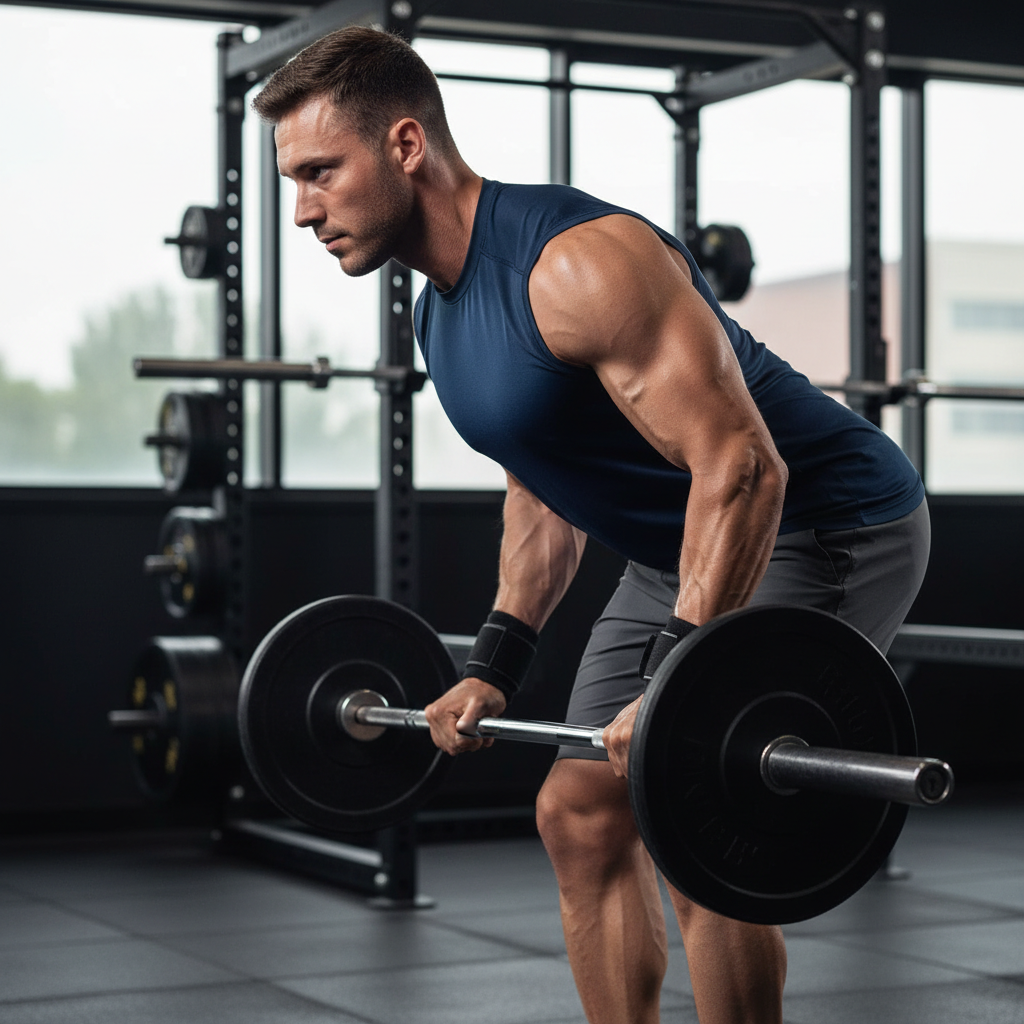
Practical tip: if your grip is always failing early, add 5–10 minutes of grip work 2–3 times per week, then treat straps as support, not a crutch.
Safety notes and common mistakes (what usually goes wrong)
Straps are generally low-risk, but the way people misuse them is predictable.
- Over-tight wrapping: can irritate the wrist and reduce bar control, especially on volume days.
- Using straps to yank: they help you hold the bar, they don’t fix a jerky pull or poor bracing.
- Ignoring skin care: straps plus torn calluses can turn one session into a week off pulling.
- Never training grip: long term, this often shows up as stalled deadlifts or weak carries.
If you have wrist pain, numbness, or a history of tendon issues, it’s smart to be conservative and consider asking a qualified coach or medical professional before pushing heavy loads with straps.
According to CDC, preventing sports-related injuries often comes down to using proper technique, progressing gradually, and using appropriate protective equipment, which applies to gym training as well.
Actionable buying guide: what to look for in your first pair
Shopping for straps is mostly about comfort and how you train. Fancy features rarely matter if the material and stitching feel right.
- Material: cotton feels comfortable and grippy, nylon can feel slick but durable, leather often feels premium but may need break-in.
- Length: longer straps give more wraps and security, shorter straps feel quicker and cleaner for bodybuilding-style work.
- Padding: helpful for high volume, but too much padding can reduce bar feel.
- Stitching quality: look for reinforced seams, especially near the loop.
If you train multiple styles, a basic loop strap that doesn’t irritate your wrist is usually the most versatile starting point. You can always add a second style later if heavy pulls become a priority.
Conclusion: get the benefit without losing the point of training
Lifting Straps make sense when grip fatigue blocks quality work for your back and posterior chain, especially on heavier pulls and higher-rep sets. The win is not “lifting more at any cost,” it’s keeping your training focused on the muscles and patterns you’re trying to build.
If you want a simple next step, use straps only on your heaviest pulling sets for two weeks, keep your earlier sets strapless, then reassess whether your grip improves and your pulling volume feels more productive.
FAQ
Are lifting straps “cheating”?
Usually no, but it depends on your goal. If the goal is back hypertrophy or posterior-chain volume, straps can be a smart tool. If the goal is proving grip strength on the deadlift platform, straps change the test.
Will lifting straps weaken my grip over time?
They can if you use them for everything and never train grip directly. If you keep some strapless pulling in your week and add basic grip work, many lifters find straps help performance without sacrificing grip capacity.
Should beginners use lifting straps?
Many beginners do fine without them at first because the loads are lighter and technique is the priority. If grip clearly ends your sets early and your form is solid, straps might be reasonable, but keeping plenty of strapless work tends to be a good habit.
What’s better: straps or hook grip?
Hook grip keeps you strapless but can be uncomfortable and takes time to adapt. Straps are fast and comfortable for many people, but they’re not allowed in some competitions. Your choice usually comes down to comfort, rules, and how often you deadlift heavy.
Can I use straps for pull-ups?
Some people do, especially for high-rep lat-focused sets, but it can change how you control the bar and may feel awkward. If your gym has strict equipment rules, check first, and consider building grip endurance through hangs and controlled reps.
Do I still need chalk if I use straps?
Often yes, because sweat still reduces control and straps can shift if your hands slide. If your gym doesn’t allow chalk, liquid chalk might be an option, but policies vary.
How tight should lifting straps be?
Tight enough that the bar doesn’t roll, loose enough that your wrist stays neutral and you can release safely. If you feel sharp pressure at the wrist or tingling in the hand, back off and re-wrap.
If you’re trying to pick straps that match your training style, or you want a simple routine that balances strap use with real grip progress, it often helps to map your main pulls and rep ranges first, then choose the strap type that fits that exact pattern.