
Hiking Fitness usually breaks down for people in two places: legs that quit early, or breathing that spikes on climbs and never settles. The good news is you rarely need “extreme” workouts to fix either one, you need the right mix of walking volume, strength, and a few trail-smart habits.
If you love being outside, building trail-ready conditioning pays off fast. You recover quicker, your knees feel less cranky, and you can choose routes based on interest, not fear of the uphill.
I also want to clear up a common misunderstanding: getting better at hiking is not the same thing as training for a 5K, and it’s not “just do more hikes” either. The most reliable progress comes from a simple plan you can repeat week to week, then adjust when the trail gets steeper, longer, or higher.
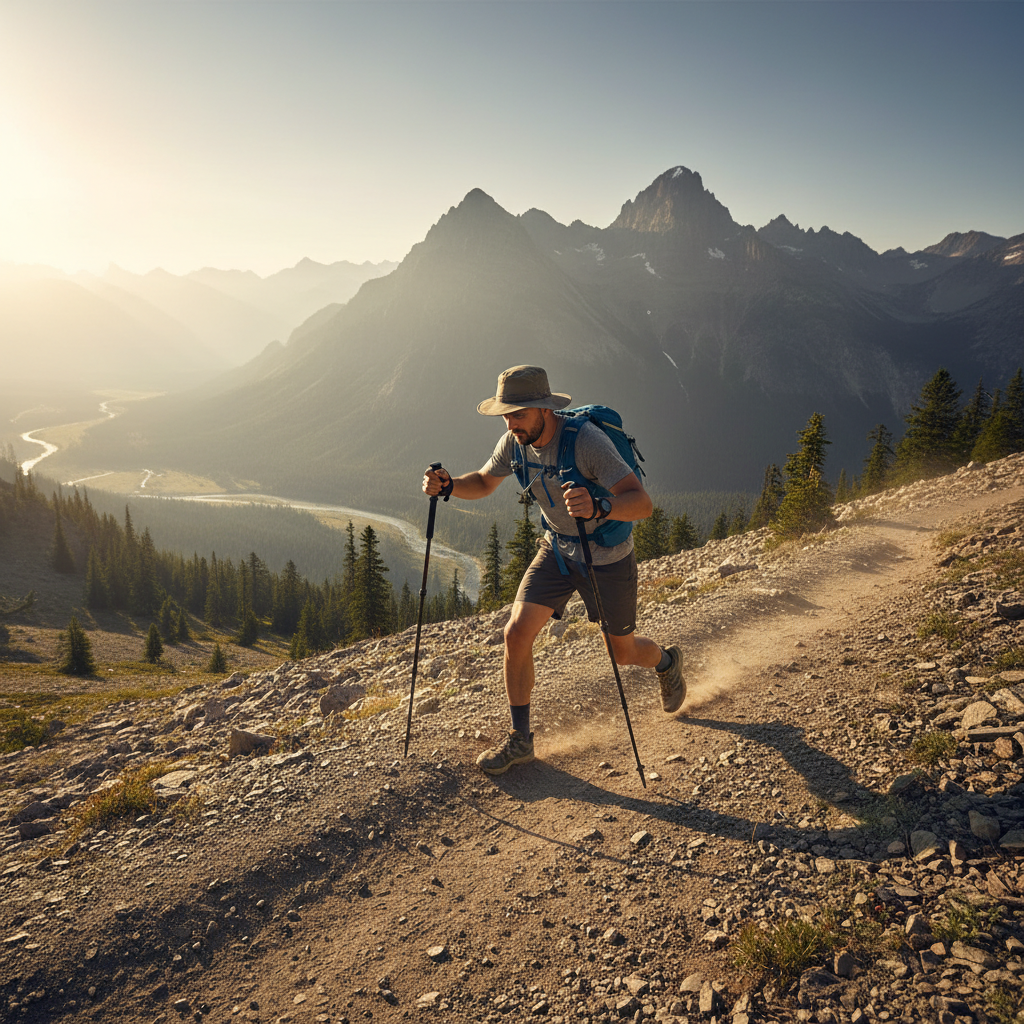
Below is a practical approach: what matters most for trail fitness, a quick self-check, and a handful of workouts plus on-trail tactics that tend to make hiking feel noticeably easier in a month or two. If you have an injury history, chest pain, dizziness, or a medical condition, it’s smart to check with a clinician or qualified coach before changing training.
What “Hiking Fitness” actually means on the trail
Trail readiness is a bundle of skills, not one magic number. In real life, people struggle because one piece lags behind the others.
- Aerobic base: the engine that keeps your breathing steady for hours, especially on rolling terrain.
- Leg strength endurance: quads, glutes, calves doing thousands of reps, and still having control on descents.
- Stability and balance: ankles, hips, and core reacting to rocks, roots, and uneven grades.
- Load tolerance: carrying water, layers, and food without wrecking posture or shoulders.
- Pacing and fueling: knowing when to back off, sip, snack, and prevent the “bonk.”
According to the American Heart Association, adults typically benefit from regular aerobic activity plus muscle-strengthening work. For hikers, that combo maps nicely to “walk a lot” and “strengthen the legs and trunk,” with just enough intensity to raise your ceiling.
Why hikes feel hard: common bottlenecks (and what they hint at)
If your hikes feel harder than your friends’ even at the same pace, it’s usually one of these patterns. The fix depends on which one sounds most like you.
- You get winded early on climbs: aerobic base is thin, or you start too fast and never recover.
- Quads burn going downhill: eccentric strength is missing, downhill work needs gradual exposure.
- Knees/hips flare up after: strength and mobility may be mismatched, footwear or load may push a weak link.
- Feet cramp, ankles feel wobbly: stability and foot strength need attention, sometimes also boot fit.
- You “hit a wall” mid-hike: pacing and fueling gaps, not pure fitness.
One more quiet culprit: many people train only on flat sidewalks, then expect their body to tolerate steep grades and uneven surfaces. Same sport, different stress.
Quick self-check: which type of hiker are you right now?
You don’t need lab testing to get useful direction. Use this quick checklist to decide what to prioritize for Hiking Fitness over the next 4–6 weeks.
- Breathing test: on a brisk walk, can you speak in short sentences without gasping?
- Climb control: on a moderate hill, can you keep a steady pace for 10 minutes without stopping?
- Downhill tolerance: after a descent, do your quads feel “done” for the rest of the day?
- Single-leg stability: can you balance on one foot for 20–30 seconds per side without hopping?
- Pack check: does your posture change when you add a typical day-pack?
If you answer “no” to 2+ items, don’t panic, just don’t try to fix everything at once. Pick the biggest limiter and train that first.
A simple weekly training plan (adjustable, not fragile)
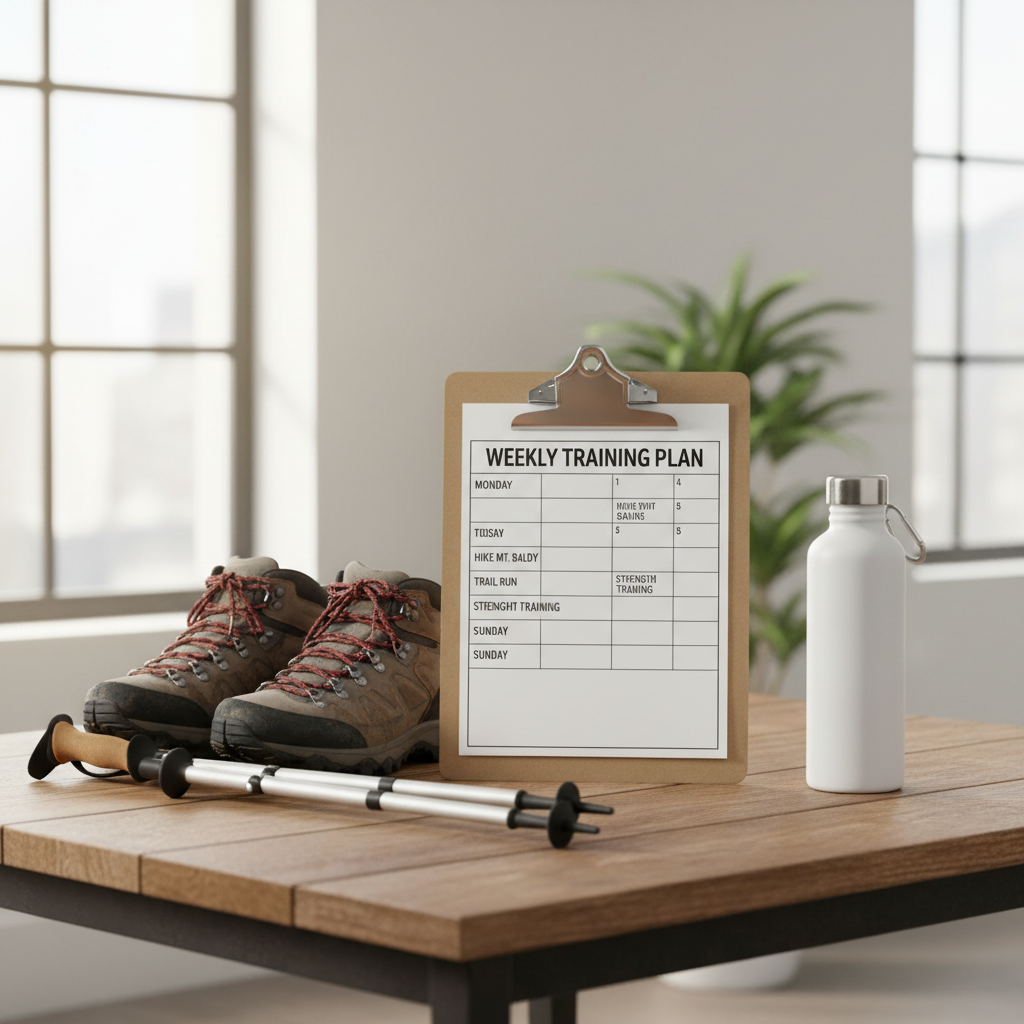
The best plan is the one you can repeat. This template works for many outdoor lovers with busy schedules, and you can scale it up or down.
Weekly structure (most people do well with this)
- 2 days easy aerobic: brisk walking, easy cycling, or incline treadmill at a conversational effort, 30–60 minutes.
- 1 day strength: lower body + core focus, 30–45 minutes.
- 1 day hill or stair session: short repeats or steady incline, 20–40 minutes total work.
- 1 longer hike or long walk: build time on feet, keep it easy enough that you finish feeling “could do more.”
- 1–2 rest or recovery days: light mobility, gentle walk, sleep catch-up.
According to the Centers for Disease Control and Prevention (CDC), a mix of aerobic activity and muscle-strengthening activity supports overall health. For hiking, it also tends to reduce the “all cardio, no durability” problem that shows up on rocky descents.
Progression rule that usually keeps people uninjured
- Increase only one variable per week: time, elevation, pack weight, or intensity.
- Aim for a gradual bump in weekly load. If soreness lingers beyond 48–72 hours or pain feels sharp, back off.
Strength work that carries over to hiking (no fancy gear)
Strength is where Hiking Fitness often levels up, because it improves both climbing and downhill control. Keep the moves boring and consistent, boring works.
Core lifts (2–4 sets, 6–12 reps, controlled tempo)
- Step-ups (knee-height bench if tolerated): drive through the whole foot, slow on the way down.
- Split squats or reverse lunges: keep torso tall, small range is fine at first.
- Hip hinge (Romanian deadlift with dumbbells or backpack): hamstrings and glutes for stability.
- Calf raises (straight-knee and bent-knee): helps climbs and ankle resilience.
Stability finishers (2–3 rounds)
- Single-leg balance with slow head turns, 20–30 seconds each side.
- Side plank or suitcase carry: trunk stiffness that protects hips and low back under a pack.
If you have knee pain, start with smaller step height, reduce depth, and keep the lowering phase slow. Pain that escalates or changes your gait is a “pause and reassess” signal, a physical therapist can help you sort mechanics fast.
On-trail tactics: pace, poles, hydration, and fuel
You can be strong and still suffer if your trail habits work against you. These are the boring moves that save hikes.
- Pace the first 15 minutes: keep it intentionally easy, especially when you feel fresh. Warm muscles climb better.
- Use a climb rhythm: shorter steps, steady cadence, and micro-pauses rather than full stops.
- Trekking poles: many hikers find poles reduce downhill strain and improve balance, but technique matters.
- Drink early: small sips consistently often work better than chugging at breaks, needs vary by heat and sweat rate.
- Eat before you feel empty: many people do well with a small snack every 45–60 minutes, adjust for your body and intensity.
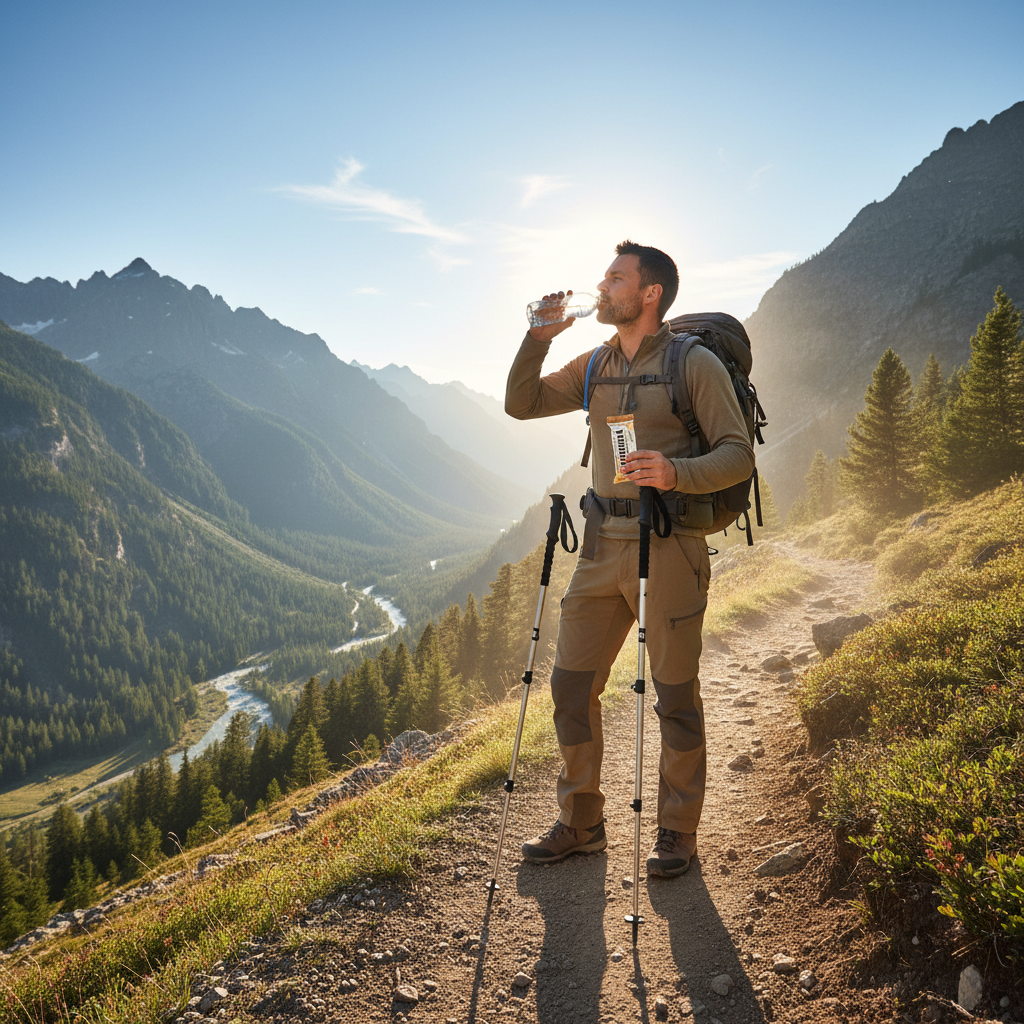
According to the American College of Sports Medicine, hydration and fueling needs vary by individual and conditions like heat and duration. If you tend to cramp, get headaches, or feel nauseated, experiment with fluids and electrolytes cautiously, and consider professional guidance if symptoms persist.
Practical guide: match training to your next hike (table)
This is the part most people skip. They train randomly, then pick a hike that demands something else. Use this as a quick translator.
| Upcoming hike demand | What to train | Simple workout idea | Common mistake |
|---|---|---|---|
| Long, steady miles | Aerobic base, foot durability | 60–120 min easy walk/hike weekly | Going too fast and turning it into a sufferfest |
| Steep climbs | Hill stamina, glute strength | 6–10 x 1–2 min hill repeats, easy walk down | Grinding every rep at max effort |
| Big descents | Eccentric quad control, ankles | Step-downs + controlled downhill exposure | Doing only flat cardio, then “testing” on a huge descent |
| Rocky/technical trail | Balance, core stiffness | Single-leg balance, loaded carries, easy technical walks | Rushing foot placement when tired |
| Hiking with a heavier pack | Load tolerance, posture | Short walks with pack, gradually adding weight | Adding weight and distance in the same week |
Common mistakes that stall progress (and what to do instead)
- Only hiking on weekends: it’s better than nothing, but adding two short midweek walks often changes everything.
- Training hard every time: constant “moderately hard” sessions fatigue you without building a big base. Keep most work easy.
- Ignoring downhill prep: downhill soreness is predictable. Add step-downs and controlled descents before big trips.
- Chasing gear fixes first: shoes and poles help, but they rarely replace strength, pacing, and time on feet.
- Copying someone else’s pace: pride turns into long breaks. Find a pace you can sustain for the whole day.
Key takeaway: if you want Hiking Fitness to feel real on the trail, you need consistent easy volume plus a small dose of strength and hill work, then you respect recovery like it counts, because it does.
When to get professional help (worth it sooner than people think)
Many hikers can self-coach, but a few situations deserve faster support.
- Persistent pain in the knee, hip, foot, or back that lasts more than a couple weeks, or worsens with training
- Swelling, instability, numbness, or pain that changes how you walk
- Shortness of breath that feels out of proportion, chest pain, fainting, or unusual heart symptoms
- History of significant injury and you’re ramping up for a major hike
A physical therapist, sports medicine clinician, or qualified strength coach can help you pick safe progressions and spot movement issues that are hard to see alone.
Wrap-up: make your next hike feel better, not just harder
Most outdoor lovers don’t need complicated programming, they need a steady rhythm: easy aerobic work, a little leg strength, and hill practice that doesn’t destroy the rest of the week. Keep notes after hikes, what felt easy, what felt sketchy, then let that guide the next month.
If you want an easy start, choose two actions for the next 7 days: add one midweek brisk walk and do one short strength session. That combination tends to show up on the trail faster than people expect.
FAQ
How long does it take to improve Hiking Fitness?
Many people notice better breathing and less soreness in 4–8 weeks if they train consistently. Bigger changes, like handling steep descents comfortably, can take longer because muscles and connective tissue adapt more slowly.
Do I need to run to get in shape for hiking?
Not necessarily. Brisk walking, incline treadmill, stairs, and longer easy hikes often build the right engine with less joint stress. Running can help some hikers, but it’s optional.
What’s the best workout for steep uphill hiking?
Hill repeats and incline walking work well, especially when paired with step-ups or split squats. The trick is keeping the effort controlled so you can repeat the session weekly without burning out.
How can I stop my knees from hurting on downhill sections?
Downhill knee pain has many causes, but common fixes include improving quad control with step-downs, using shorter steps, and adjusting pace. If pain is sharp, swelling appears, or it keeps returning, consider a professional assessment.
Should I use trekking poles for fitness or just for safety?
Both can be true. Poles may reduce load on the legs and help balance on uneven terrain, but they also require practice to avoid shoulder or wrist irritation.
What should I eat during a day hike?
It depends on duration and intensity, but many hikers do well starting fueled and then snacking regularly before energy dips. If you have medical conditions that affect blood sugar or digestion, it’s wise to consult a clinician.
Can strength training make me a better hiker even if I hike a lot?
Often yes. Strength work improves climbing efficiency and downhill durability, and it can help you tolerate more hiking without feeling beat up.
If you’re trying to plan a trip with more miles or elevation than usual and you’d rather not guess, a simple personalized schedule from a coach or clinician can save you weeks of trial and error, especially when time, past injuries, or big goals are in the mix.